If you have a fireplace that smells smoky, a chimney that leaks after rain, or a heating system venting through aging masonry, you have probably wondered: what does a chimney inspection include? The short answer is a lot more than a quick look from the ground. A proper inspection is meant to catch fire hazards, moisture damage, structural wear, and venting problems before they turn into expensive repairs or safety risks.
For most homeowners, the value of an inspection is not just getting a checklist. It is getting a clear picture of whether the chimney is safe to use, what shape it is in, and what needs attention now versus later. That matters whether you use your fireplace every winter or barely think about the chimney until something goes wrong.
What does a chimney inspection include at a basic level?
A chimney inspection usually includes an evaluation of the visible and accessible parts of the chimney system, both inside and outside the home. The goal is to confirm safe operation and identify any damage, blockage, deterioration, or code-related concerns.
That means the technician is not only looking at the firebox. They are checking the full venting path and the exterior structure around it. In many homes, problems start at the top with a damaged cap or crown, or along the sides where mortar joints have begun to break down. In other cases, the issue is inside the flue, where creosote buildup, liner damage, or an obstruction can affect draft and fire safety.
The exact scope depends on the type of inspection being performed and the condition of the chimney. A newer chimney in regular service may need a straightforward annual review. An older chimney with leaks, smoke backup, or signs of hidden damage may need a more detailed inspection.
The parts of the chimney that are usually checked
A professional chimney inspection starts with the most obvious use areas, including the firebox, damper, and smoke chamber if they are accessible. The inspector looks for cracks, gaps, missing mortar, rust, signs of heat damage, and anything else that could affect how the system performs.
From there, attention shifts to the flue. This is one of the most important parts of the inspection because the flue carries smoke, gases, and heat out of the home. If the flue liner is cracked, deteriorated, disconnected, or blocked, the chimney may not vent safely. In a wood-burning system, heavy creosote deposits are another major concern because they can increase the risk of a chimney fire.
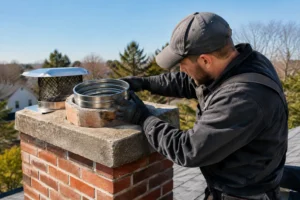
The inspector will also check the chimney crown, cap, and chase cover when applicable. These top components help keep out rain, animals, and debris. If the cap is missing or damaged, birds and nesting materials can enter the flue. If the crown is cracked, water can work its way into the masonry and cause internal deterioration over time.
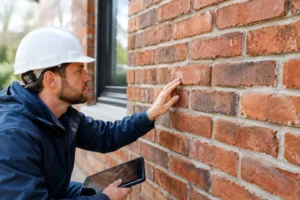
On the exterior, masonry condition is a big part of the inspection. Bricks, mortar joints, flashing, and visible sections of the stack are checked for movement, separation, staining, and water intrusion. In many New Jersey homes, freeze-thaw weather can make small masonry issues grow fast, especially if waterproofing has been neglected or the chimney has been exposed to years of moisture.
Interior and exterior safety checks matter equally
Some homeowners assume an inspection is mostly about soot buildup. That is part of it, but a good inspection also looks at how the chimney interacts with the rest of the house.
For example, flashing around the base of the chimney is often inspected because failed flashing can let water into the roofline and attic. Moisture stains on ceilings or walls near the chimney are often tied to exterior problems rather than the fireplace itself. If water is getting in, the inspection should help narrow down whether the cause is masonry damage, flashing failure, a cracked crown, or another issue.
Clearances and visible signs of improper construction may also be noted. If combustible materials are too close to heat-producing areas, or if past repairs were done poorly, that can affect safety. This is especially important in older homes where parts of the chimney system may have been modified over time.
Different levels of chimney inspection
Not every inspection is the same. The chimney industry generally recognizes different levels of inspection based on the situation.
A Level 1 inspection is the standard choice when the chimney has been used regularly under the same conditions and there are no major known changes or problems. This is the basic annual inspection most homeowners need. It covers readily accessible parts of the chimney and looks for obstructions, buildup, and visible damage.
A Level 2 inspection is more detailed. It is often recommended when a home is being sold, after a chimney fire, after a severe weather event, or when there has been a change in appliance type or fuel. This level may include a video scan of the flue to look for hidden damage that cannot be seen during a basic visual review.
A Level 3 inspection is used when serious hazards are suspected and parts of the structure need to be opened or removed to fully assess the problem. This is less common, but it can be necessary when there is evidence of concealed damage or a major safety concern.
For homeowners, the takeaway is simple: the right inspection depends on the condition and history of the chimney. If you are dealing with smoke issues, water leaks, storm damage, or an older system with an unknown maintenance history, a basic check may not be enough.
What problems a chimney inspection can uncover
One of the biggest reasons inspections matter is that chimney damage often starts quietly. You may not see a cracked liner or know that moisture has been eating away at interior masonry until the problem gets worse.
A thorough inspection can uncover creosote buildup, flue blockages, damaged liners, cracked crowns, missing caps, deteriorated mortar joints, loose bricks, rusted dampers, failing flashing, and signs of active leaks. It can also reveal drafting problems that may explain why smoke enters the room instead of moving up and out.
Sometimes the issue is simple and affordable to fix. A new cap, minor repointing, or a flashing repair may solve the problem early. Other times, the inspection reveals a larger repair need, such as relining the flue, rebuilding the crown, or addressing widespread masonry deterioration. That is why catching problems early usually saves money.
Does a chimney inspection include cleaning?
Not always. An inspection and a cleaning are related services, but they are not the same thing.
An inspection focuses on condition and safety. A cleaning removes soot, creosote, and debris from the flue and other serviceable areas. In many cases, both services are performed together, especially before the heating season. But if you schedule an inspection only, the technician may identify buildup that needs to be cleaned rather than automatically doing the cleaning on the spot.
This is worth clarifying when you book service. Homeowners sometimes assume one includes the other, and that can lead to confusion. A reliable contractor should explain what is included, what was found, and whether additional work is recommended.
When you should have your chimney inspected
For most homes, an annual chimney inspection is the safe standard, even if you do not use the fireplace every day. Chimneys can develop moisture problems, animal intrusions, and structural wear even during light use or seasonal inactivity.
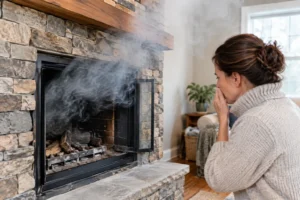
You should also schedule an inspection sooner if you notice smoke backing up into the room, strong odors from the fireplace, water stains near the chimney, crumbling mortar, white staining on exterior brick, or pieces of tile or debris falling into the firebox. Those are all signs that something may be wrong.
After a major storm, it is also smart to have the chimney checked. Wind, heavy rain, and freeze-thaw cycles can damage crowns, caps, flashing, and masonry. In a state like New Jersey, where weather swings can be tough on exterior structures, preventive inspections are often cheaper than waiting for a visible failure.
What homeowners should expect after the inspection
A professional inspection should leave you with a clear understanding of the chimney’s condition. You should know whether the system is safe to use, whether repairs are needed, and which issues are urgent versus preventive.
Good contractors do not just point out problems. They explain them in plain language. If repairs are recommended, the reasoning should make sense and match what was actually found. That kind of transparency matters because chimney work protects more than masonry – it protects the roofline, the interior of the home, and the people living in it.
At Adore Construction, that is the standard homeowners should expect from any chimney service: careful inspection, honest feedback, and repairs that solve the actual issue instead of covering it up.
A chimney inspection is not about finding reasons to do more work. It is about making sure your home is venting safely, staying dry, and holding up the way it should. If it has been a while since yours was checked, that simple step can give you answers before the next cold night or hard rain does it for you.