When smoke spills into the room instead of rising up the flue, homeowners want the same thing – a clear answer and a safe fix. If you are searching for how to fix chimney draft problems, the first step is understanding that poor draft is usually not one single issue. It is often a mix of airflow, weather, chimney condition, and fireplace setup.
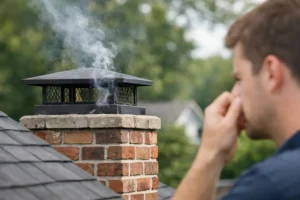
A chimney is supposed to pull smoke, gases, and heat upward and out of the home. When that draft weakens or reverses, the fireplace becomes frustrating at best and unsafe at worst. You may notice smoky odors, slow-starting fires, soot buildup, or smoke rolling back into the living room. Those signs should not be ignored.
What causes chimney draft problems?
Draft depends on a basic principle: hot air rises. When the air inside the chimney is warmer than the outside air, the chimney pulls properly. But several things can interfere with that process.
A cold flue is one of the most common reasons. If the chimney walls are cold, especially after sitting unused, smoke may not rise the way it should when you first light a fire. This is common during colder New Jersey weather, but it can happen anywhere a chimney stays unheated for long periods.
Blockages are another major cause. Creosote buildup, animal nests, leaves, broken masonry, and liner damage can reduce the size of the passage and weaken the draft. Even partial blockage can create noticeable problems.
The chimney itself may also be the wrong height or have poor exposure above the roofline. If it is too short, or if nearby roof sections, trees, or neighboring structures affect wind flow, outside air can push down into the flue instead of allowing smoke to exit cleanly.
Then there is the house itself. Newer or tightly sealed homes can create negative air pressure. That means exhaust fans, dryers, HVAC systems, or even closed windows are pulling air out of the house faster than replacement air can get in. When that happens, the chimney may compete for air and lose.
How to fix chimney draft problems at the fireplace
Some draft issues can be improved with simple changes in how the fireplace is used. Others point to repairs that should be handled by a professional.
Start by checking the damper. It sounds obvious, but partially closed dampers are a frequent cause of poor draft. Make sure it opens fully and is not warped, rusted, or stuck in a position that restricts airflow.
Next, warm the flue before building a full fire. Holding a rolled newspaper or fireplace starter near the damper area for a short time can help reverse a cold air plug. This is a practical fix when the chimney drafts poorly at the start but improves once the fire gets going.
The way the fire is built matters too. Using dry, seasoned firewood helps the chimney produce steady heat and stronger upward flow. Wet or green wood creates more smoke, less usable heat, and more creosote. If you are burning poor-quality wood, the draft may seem worse than it actually is.
It also helps to open a nearby window slightly when starting a fire. If the room or house is under negative pressure, that small amount of incoming air can make a big difference. This is not always the permanent fix, but it is a useful clue. If draft improves right away, the house may have an air balance issue rather than a damaged chimney.
When the chimney needs repair
If the basic fireplace adjustments do not solve the problem, the chimney system itself likely needs attention.
A dirty flue is a common culprit. Creosote and soot narrow the passage and reduce airflow. Professional chimney sweeping removes that buildup and can restore proper draft if blockage is the main issue. Sweeping also reduces fire risk, which is reason enough not to put it off.
A damaged or improperly sized liner can also affect performance. If the flue liner is cracked, offset, deteriorated, or oversized for the appliance, draft can become unreliable. Relining the chimney may be necessary to improve both safety and function.
Chimney caps matter more than many homeowners realize. The right cap helps keep out rain, debris, and animals, but it can also improve draft depending on the design. On the other hand, a damaged or poorly designed cap may interfere with airflow. This is one of those cases where it depends on the exact setup. Replacing a cap can help, but only if the cap is truly part of the problem.
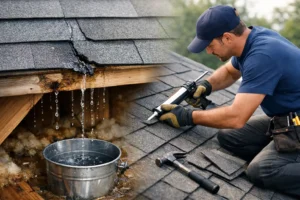
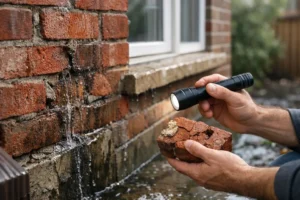
Masonry damage can contribute as well. Loose bricks, failing mortar joints, a broken crown, or interior debris from deterioration can disrupt the flue and reduce efficiency. Water intrusion often makes these issues worse over time. A chimney that has started to break down structurally will not fix itself.
Signs the problem is bigger than airflow
Sometimes homeowners focus on draft when the real issue is venting safety. If you notice strong smoke odors when the fireplace is not in use, staining around the fireplace opening, visible chimney cracking, or worsening performance over time, the chimney should be inspected.
The same goes for wood stoves and gas appliances venting through a chimney. Poor draft in those systems can allow dangerous gases to remain in the home. With gas appliances in particular, venting problems are not something to troubleshoot casually.
A professional inspection can determine whether the issue is maintenance-related, structural, or caused by house pressure. That saves time and prevents guesswork. It also helps avoid spending money on the wrong fix.
Weather, wind, and why draft changes from day to day
One reason chimney draft problems are so frustrating is that they are not always consistent. A fireplace may work fine one week and smoke the next.
Wind direction can affect how air moves around the roof and chimney top. Outdoor temperature changes can affect how easily the flue warms up. Rain and humidity can influence how smoke behaves, especially in a chimney that already has partial blockage or moisture damage.
That inconsistency does not mean the problem is imaginary. It usually means the system is operating with very little margin for error. When conditions are ideal, it performs well enough. When conditions shift, the weakness shows up.
How to prevent draft problems from coming back
The best long-term fix is regular chimney maintenance paired with timely repairs. Annual inspections are one of the smartest ways to catch buildup, liner issues, cap damage, and masonry deterioration before they turn into smoke problems or fire hazards.
Keeping the chimney capped, waterproofed, and properly maintained protects the structure and helps preserve airflow. If the home has repeated negative pressure issues, adjustments to ventilation or combustion air may also be needed. That is especially true in tightly sealed homes or after major remodeling.
If a chimney has a history of poor performance, it is worth evaluating the full system rather than treating each smoky fire as a separate event. Height, liner size, fireplace opening, damper condition, and cap design all work together. Fixing only the most obvious symptom may help for a while, but it may not solve the real cause.
When to call a chimney professional
If smoke enters the room regularly, the flue smells heavily of soot, the fireplace struggles every time you use it, or you suspect blockage or damage, it is time to have the chimney inspected. The right solution may be as simple as a cleaning, or it may involve relining, crown repair, cap replacement, or correcting a venting issue.
A dependable contractor should explain what is happening, show you the condition of the chimney, and recommend repairs based on safety and performance – not pressure. That matters because chimney draft problems can involve several overlapping issues, and a rushed guess can miss the one that actually needs attention.
At Adore Construction, this is exactly the kind of problem that should be handled with clear answers and solid workmanship. A chimney should carry smoke out of your home, not send you searching for fans, open windows, and temporary workarounds every time you light a fire.
If your fireplace has started acting differently, trust that change. Draft problems usually start small before they become expensive, messy, or unsafe.