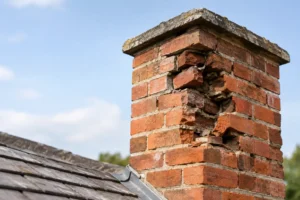
A small split across the top of your chimney can turn into a much bigger problem after one hard rain or a freeze-thaw cycle. That is why chimney crown crack repair matters more than most homeowners realize. The crown is the top concrete surface that sheds water away from the flue and masonry below, and once it starts cracking, moisture gets a direct path into the chimney structure.
Why chimney crown cracks should not be ignored
Many chimney problems start at the top. When the crown is intact, it helps protect the bricks, mortar joints, flue liner, and interior chimney system from water intrusion. When it is cracked, chipped, or pulling apart at the edges, water can settle in, seep down, and create damage that spreads fast.
This is especially true in places that see regular winter weather. Water enters a crack, temperatures drop, the water freezes and expands, and the crack opens wider. Over time, what started as a hairline issue can lead to spalling brick, loose mortar, rusted components, staining, interior leaks, and smoke-related performance problems. Homeowners often notice the leak in the attic or around the fireplace long after the chimney crown was already failing.
A damaged crown does not always mean the whole chimney is unsafe, but it does mean the system is vulnerable. The sooner the problem is evaluated, the more repair options you usually have.
What the chimney crown actually does
Homeowners sometimes confuse the chimney crown with the chimney cap. They are not the same part. The cap is typically a metal cover installed over the flue opening to help keep out rain, animals, and debris. The crown is the masonry or concrete slab at the top of the chimney that slopes away from the flue.
That slope is important. A properly built crown pushes water away from the center opening and beyond the outer chimney walls. It should also have enough thickness and overhang to hold up against weather exposure. If the crown is flat, poorly formed, too thin, or made with the wrong material, it tends to crack earlier than it should.
In many older chimneys, the crown was patched before, built with basic mortar instead of proper crown material, or never given enough waterproof protection. That history matters because not every crack can be treated the same way.
Signs you may need chimney crown crack repair
Some cracks are visible from the ground, but many are not. Homeowners usually first notice the symptoms rather than the crack itself. If your chimney leaks after rain, if you see white staining on the brick, or if pieces of masonry are starting to break away, the crown should be inspected.
You may also notice damp smells near the fireplace, rust on the damper or firebox components, crumbling mortar near the top courses of brick, or water marks on nearby ceilings and walls. In some cases, the chimney still drafts normally, so it is easy to assume the problem is minor. It may not be.
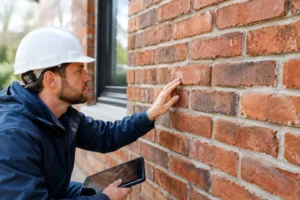
A professional inspection helps separate a crown issue from other common problems like failed flashing, a missing cap, damaged brick joints, or liner deterioration. Water damage often has more than one entry point, which is why guessing can get expensive.
When sealing a crack is enough
Not every crown crack requires a full rebuild. If the crack is small, shallow, and limited to the surface, a professional-grade crown sealant may be enough. This type of repair is typically used when the crown is still structurally sound and the damage has not spread through the full thickness of the crown.
The key is using the right material. Standard caulk or off-the-shelf patch products usually do not last on an exposed chimney top. Crown repair products need to stay flexible, handle temperature swings, and bond well to the existing surface. Proper prep also matters. If the surface is dirty, loose, or still holding moisture, the repair may fail early.
This approach is often the most cost-effective option, but only when the damage is truly minor. If a contractor recommends sealing, they should also be confident that the crown still has good shape, slope, and support underneath.
When patching is possible and when it is not
Some crowns are beyond a simple sealant application but do not yet need full replacement. In those cases, resurfacing or patching may make sense. This usually involves cleaning the crown, addressing open cracks, and applying a specialized repair coating that restores the surface and helps shed water again.
This can work well when the crown has multiple surface cracks or slight deterioration but still holds together as one stable piece. It is a middle-ground solution. Done properly, it can extend the life of the chimney and prevent deeper water entry.
But there is a limit. If the crown is crumbling, deeply fractured, separating from the flue, missing chunks, or built incorrectly from the start, patching becomes a temporary fix at best. In those cases, the money is better spent on replacement than on repeating short-term repairs.
When chimney crown crack repair means full replacement
A full crown rebuild is usually the right call when structural failure is already happening. That includes wide cracks, visible movement, broken corners, poor drainage slope, exposed reinforcement, or repeated leaking after earlier repair attempts.
Replacement allows the crown to be formed correctly from the start. A proper new crown should use the right material, be thick enough to hold up, slope away from the flue, and include a drip edge that helps move water clear of the chimney walls. It should also allow proper spacing around the flue liner so expansion and contraction do not create new stress cracks.
This is one of those repairs where workmanship matters as much as material. A crown that looks smooth on day one can still fail early if it is too thin, too flat, or tied too tightly to the flue.
Why DIY repairs often miss the real problem
A lot of homeowners are tempted to handle chimney crown crack repair themselves with a ladder and a bucket of patch material. The problem is not just safety, although roof access alone is a real concern. It is that crown damage is often part of a bigger moisture issue.
What looks like one visible crack can actually involve hidden deterioration around the flue tile, weakened mortar joints below the crown line, chimney cap issues, or water penetration that has already reached the attic or interior walls. A quick patch can cover the symptom while the damage continues underneath.
There is also the issue of product choice. The wrong repair material can trap moisture, break down in UV exposure, or fail during winter movement. On a component that takes direct weather all year, shortcuts usually show up fast.
What a professional repair should include
A solid repair starts with inspection, not guesswork. The crown should be checked for crack size, surface wear, slope, bond, moisture entry points, and signs of related masonry damage. The chimney cap, flashing, top brick courses, and flue condition should also be reviewed so the repair addresses the whole water-control picture.
From there, the repair method should match the condition. Minor cracks may only need sealing. Surface wear may call for resurfacing. Structural damage may require full replacement. If waterproofing is recommended afterward, that should be part of the plan, not an afterthought.
For homeowners in New Jersey, this matters because weather exposure can be hard on masonry. A repair that survives one mild season may not survive a wet spring and freezing winter if the crown was not corrected properly.
How to protect the repair and avoid repeat damage
Once the crown is repaired, maintenance helps it last. That means regular chimney inspections, keeping the chimney cap in good shape, and addressing small signs of water entry before they spread. Waterproofing the masonry exterior may also help, depending on the chimney’s condition and exposure.
It is also smart to act before active leaking starts inside the home. By the time water stains show up on drywall or around the fireplace, the chimney has often been taking on moisture for a while. Preventive repair is almost always less disruptive than interior repairs plus masonry restoration.
If you have noticed cracking at the top of the chimney, staining on the brick, or leaks after storms, this is a good time to get it checked. A reliable contractor should be able to tell you clearly whether the crown needs sealing, resurfacing, or rebuilding and give you a repair plan that protects the chimney for the long haul. If you need a local team that focuses on safe, durable chimney work, Adore Construction can help at https://adore-construction.com.
A chimney crown does not get much attention until it fails, but staying ahead of that small crack can save you from a much larger repair later.