A strong fireplace smell after a cold night is not something to ignore. If you are searching for how to remove chimney creosote safely, the first thing to know is this – safety matters more than saving a service call. Creosote is flammable, messy, and sometimes much harder to remove than it looks.
For many homeowners, the real question is not whether creosote should be removed. It should. The question is whether the buildup is light enough for routine cleaning or dangerous enough to require a professional chimney sweep. That distinction matters because the wrong approach can spread soot through your house, damage the flue, or leave behind the most hazardous deposits.
What creosote is and why it becomes dangerous
Creosote forms when wood smoke cools and condenses inside the chimney flue. Over time, those vapors leave behind a dark residue. In the early stage, it may look like dusty soot or flaky black material. Later, it can become thicker, tar-like, and shiny. That last stage is where trouble starts.
Light soot is one thing. Glazed creosote is another. Thick deposits can catch fire at very high temperatures, turning a routine fire into a chimney fire. Even when a chimney fire seems minor, it can crack liners, damage masonry, and create hidden problems that continue to put the home at risk.
Moisture, unseasoned firewood, low-burning fires, and poor draft all make creosote buildup worse. Homes that use the fireplace often through winter, especially with slower smoldering fires, usually see faster accumulation.
How to tell if chimney creosote can be removed safely
Not every chimney should be a DIY job. If you can see a light, brushable layer near the firebox or lower flue, basic sweeping may be possible with the right tools and precautions. If the buildup looks thick, shiny, sticky, or hardened like black glass, stop there. That type of creosote usually needs specialized equipment and professional removal methods.
You should also avoid DIY cleaning if you have had a chimney fire, notice pieces of flue tile in the fireplace, smell strong smoky odors even when the fireplace is not in use, or see draft problems that push smoke back into the room. Those signs point to a larger issue than simple residue.
For homeowners asking how to remove chimney creosote safely, the honest answer is that it depends on the stage of buildup. Stage one deposits may be manageable. Stage two and stage three often are not.
Basic safety steps before any chimney cleaning
Before you do anything, make sure the fireplace is completely cool. Remove ashes and any leftover wood. Open nearby windows for ventilation, and seal the fireplace opening and surrounding area with plastic sheeting or drop cloths to control dust.
Wear proper protection. That means safety goggles, work gloves, long sleeves, and a tight-fitting dust mask or respirator rated for fine particles. Creosote dust is irritating, and chimney debris can fall unexpectedly.
If you are cleaning from the roof, ladder safety becomes just as important as chimney safety. Never work on a wet, icy, or steep roof without the right fall protection. For many homeowners, this alone is a reason to schedule service instead of doing it themselves.
How to remove chimney creosote safely with the right tools
If the buildup is light and dry, a chimney brush sized correctly to your flue is the standard tool. Using the wrong size brush can leave deposits behind or damage the liner. Poly brushes are generally used for metal liners, while wire brushes may be used for masonry flues, but the liner type should always guide the tool choice.
Attach the brush to extension rods and work in controlled up-and-down motions. Some homeowners clean from the top down, others from the bottom up. Either method can work, but top-down cleaning often gives better reach through the full flue. The goal is to loosen loose creosote and soot, not force a brush through hardened glaze.
As debris falls, collect it from the firebox carefully. Use a metal container for disposal and avoid a regular household vacuum unless it is specifically built for fine ash and soot. Standard vacuums can spread particles back into the air and create a bigger mess indoors.
Creosote sweeping logs are sometimes advertised as an easy solution. They can help dry out some light deposits and may make future brushing easier, but they are not a substitute for an actual cleaning. They do not remove heavy buildup, and they do not replace an inspection.
When DIY creosote removal stops being safe
There is a point where brushing is no longer enough. If the chimney brush barely scratches the surface, if flakes come down in thick sticky chunks, or if the inside of the flue looks glossy and hardened, that is not routine cleaning anymore. It usually means the creosote has advanced into a stage that can require rotary tools, chemical treatment, or controlled professional removal.
This is also where homeowners can accidentally damage the chimney. Aggressive scraping with the wrong tools can crack clay liners, tear metal liner walls, or loosen mortar joints. The cost of those repairs is usually much higher than the cost of a proper chimney sweep.
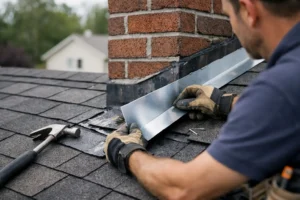
A professional also checks for issues that homeowners may miss, including liner damage, blockages, moisture entry, failed crowns, missing caps, or flashing problems that contribute to poor chimney performance. Sometimes the creosote is the symptom, not the root problem.
Why regular burning habits affect creosote buildup
Removing creosote is only half the job. Keeping it from coming back quickly matters just as much. Burning seasoned hardwood is one of the biggest factors. Wet or green wood produces more smoke and cooler combustion, which leads to faster residue buildup in the flue.
Short, smoldering fires also create more creosote than hotter, cleaner-burning fires. That does not mean you want an uncontrolled fire. It means your fireplace and chimney need good airflow and proper fuel. Closing the damper too much, starving the fire of oxygen, or overloading the firebox can all work against you.
A yearly chimney inspection is the most reliable way to stay ahead of buildup. If you use your fireplace often, especially during a full New Jersey winter, you may need more frequent sweeping depending on how much wood you burn and what condition the flue is in.
Signs it is time to call a chimney professional
If your fireplace has a strong burnt odor, poor draft, visible black deposits, or smoke entering the room, do not wait for the next season. If you are unsure what stage of creosote you are dealing with, that uncertainty is reason enough to have it inspected.
A qualified chimney contractor can determine whether the buildup is routine, hazardous, or tied to another chimney defect. That kind of evaluation protects more than the fireplace. It protects the roofline, the chimney structure, and the people inside the home.
For homeowners who want the job handled carefully, professionally, and without guesswork, working with an insured local company is the safer move. Adore Construction approaches chimney service the same way homeowners do – with a focus on fire safety, clean workmanship, and long-term protection.
A safer way to think about chimney maintenance
If you are asking how to remove chimney creosote safely, the best answer is to be honest about the condition of the chimney before you start. Light buildup may be manageable with the proper brush, protective gear, and care. Heavy or glazed creosote is a different job, and treating it like a weekend project can create real risk.
A clean chimney does more than improve fireplace performance. It lowers fire risk, reduces smoke problems, and helps you use your heating system with more confidence. When there is any doubt, choosing the safer path is the smart investment in your home.