If your chimney is already leaking, dropping bricks, or sending smoke back into the house, the best time for chimney repairs is now. But if you are trying to plan ahead and avoid bigger costs, timing really does matter. The right season can make repairs easier to schedule, safer to complete, and more likely to hold up through the next stretch of rough weather.
For most homeowners, early spring through early fall is the sweet spot. That does not mean winter repairs never happen. It means the type of problem, the condition of the chimney, and the weather outside all play a role in deciding whether you should schedule work now or wait a few weeks for better conditions.
When is the best time for chimney repairs?
In most cases, the best time for chimney repairs is during the warmer, drier months. Spring, summer, and early fall usually give contractors better working conditions and give repair materials the time they need to cure properly. Masonry repairs, crown work, flashing fixes, waterproofing, and chimney cap installation all tend to go more smoothly when temperatures are moderate and moisture is lower.
There is also a scheduling advantage. Many homeowners wait until fall to think about their chimney because that is when they start using the fireplace again. By then, service calendars can fill up fast. If you schedule repairs in spring or summer, you often have more flexibility and more time to address hidden damage before cold weather makes it worse.
That said, the best season on paper is not always the best answer for your house. A minor crack in June is one thing. An active leak in January is another. Waiting only makes sense when the issue is stable and not causing ongoing damage.
Why spring and summer usually work best
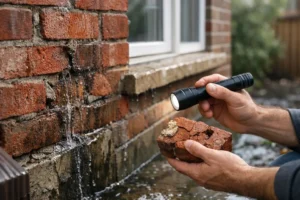
After winter ends, many chimney problems become easier to spot. Freeze-thaw cycles are hard on masonry. Water gets into small cracks, temperatures drop, the water expands, and the damage gets worse. By spring, you may notice loose mortar, spalling bricks, staining, damaged flashing, or a cracked crown that was not obvious before.
This makes spring a practical time for inspection and repair. The weather is generally mild enough for masonry materials to perform well, and you are not under pressure to finish the work before the first cold snap. Summer offers similar benefits, especially for larger projects like rebuilds, liner work, or more involved masonry repairs.
Dry weather also matters. Chimneys take constant abuse from rain, snow, heat, and wind. When repair crews can work during a stretch of relatively dry weather, they can clean surfaces properly, apply materials under better conditions, and complete the job with fewer interruptions.
Early fall can still be a good window
If you missed the spring and summer window, early fall can still be a smart time to schedule chimney work. Temperatures are often manageable, and it gives you a chance to get everything inspected before the heating season starts.
This is especially important if your fireplace or chimney has been sitting unused for months. Birds may have nested inside. Moisture may have affected the liner. Small cracks may have spread. A pre-season inspection can catch issues before your first fire of the year.
The trade-off is demand. Fall is when many homeowners remember they need chimney service, so wait times may be longer. If you already know your chimney needs attention, it usually pays to get on the calendar before that seasonal rush.
Winter repairs are sometimes necessary
Homeowners often ask if chimney work can be done in winter. The honest answer is yes, sometimes. But it depends on the repair.
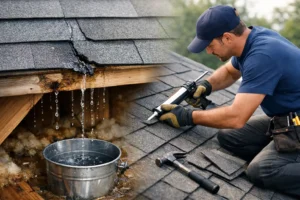
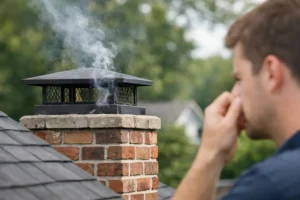
Emergency issues should not wait. If water is entering the home, bricks are loose, the chimney is leaning, flashing has failed, or the flue is creating a fire or carbon monoxide risk, winter is not the time to put it off. Temporary measures or cold-weather repairs may be possible, and they can prevent far more expensive damage.
Still, winter is not ideal for every repair. Some masonry products do not cure well in very cold temperatures. Snow, ice, and wind can also slow down roof access and create safety concerns. A reliable contractor will tell you whether the problem needs immediate action or whether a short delay would produce a better, longer-lasting repair.
The best time for chimney repairs depends on the problem
Not all chimney issues follow the same schedule. Small maintenance items can often be planned around good weather and availability. Active damage usually cannot.
A missing chimney cap is a good example. It may seem minor, but it leaves the flue open to rain, animals, and debris. That is worth fixing quickly, no matter the season. The same goes for failing flashing, because once water gets in around the chimney, the damage can spread into roofing materials, attic spaces, ceilings, and interior walls.
On the other hand, cosmetic tuckpointing on an older chimney may be able to wait for a better weather window if the structure is still sound. A cracked crown might be manageable for a short time, but if it is already allowing water into the system, delaying repairs could lead to freeze damage, liner problems, or deterioration below the roofline.
This is why a proper inspection matters. A surface symptom does not always tell you how deep the problem goes.
Signs you should not wait
Some homeowners try to time repairs around budget or convenience, which is understandable. But certain warning signs mean the calendar is no longer the main issue.
If you see pieces of brick or mortar in the yard, white staining on the chimney, rust on the damper or firebox, water marks near the fireplace, a strong musty odor, or smoke drafting poorly, it is time to get the chimney checked. If the chimney looks tilted, cracked, or unstable from the outside, treat it as a priority.
Water is usually the biggest troublemaker. Once moisture enters the chimney system, it does not just stay in one place. It can damage mortar joints, metal parts, liners, surrounding roofing materials, and interior finishes. What starts as a repair can turn into restoration work if it sits too long.
How New Jersey weather affects timing
In New Jersey, seasonal swings can be rough on chimney masonry. Winter freeze-thaw cycles, spring rain, summer humidity, and coastal weather exposure in some areas all add stress to the structure. That makes preventive timing more valuable than many homeowners realize.
A chimney that looks mostly fine in late fall may come out of winter with widened cracks, loose mortar, or water intrusion. Planning an inspection in spring is often the best move because it lets you catch winter damage early and make repairs before summer storms and the next heating season.
For homeowners here, timing is not just about convenience. It is about staying ahead of weather that can speed up deterioration.
Repair now or maintain on a schedule?
The smartest approach is a mix of both. If your chimney has visible problems, address them promptly. If it seems to be working fine, do not assume everything is okay just because the fireplace still drafts.
Routine inspections and maintenance help you choose the timing instead of having damage choose it for you. A contractor may find cracked mortar, crown wear, flashing gaps, or early moisture issues before they become urgent. That gives you room to schedule work during the best weather instead of scrambling during a leak or safety problem.
For many homes, especially older ones, chimney maintenance belongs in the same category as roof care. You do not wait for a major failure if there is a chance to catch trouble early and keep the cost under control.
What homeowners should do next
If you are wondering about the best time for chimney repairs, start with the condition of the chimney, not the month on the calendar. If there are signs of active damage, get it inspected soon. If the chimney seems stable, aim for spring through early fall, when conditions are generally better for lasting repairs.
A dependable contractor should be clear about what needs immediate attention, what can be scheduled, and what will protect your home for the long run. That straightforward approach matters. Homeowners do not need guesswork. They need a repair plan that makes sense for the season, the budget, and the actual condition of the chimney.
A well-timed chimney repair is not just about getting ahead of the weather. It is about protecting the house before a manageable problem turns into one that reaches the roof, the walls, and the rooms below.