A chimney leak rarely starts as a dramatic problem. More often, it shows up as a faint ceiling stain, a musty smell after rain, or white residue on the brick that was not there last season. If you need to waterproof masonry around chimney areas, the goal is not just to keep water out for now. It is to stop ongoing damage to the brick, mortar joints, flashing, and the home below it.
For most homeowners, the tricky part is that chimney water problems do not come from one source. Masonry absorbs moisture naturally, but leaks can also come from failed flashing, cracked crowns, missing caps, or deteriorated mortar. Waterproofing helps, but only when it is applied to sound masonry and paired with the right repairs.
Why waterproof masonry around chimney surfaces matters
Brick and mortar are durable, but they are not waterproof by default. Masonry is porous, which means it can take in rainwater, especially during repeated storms, freeze-thaw cycles, and windy weather. Once that moisture gets inside, it starts wearing things down from the inside out.
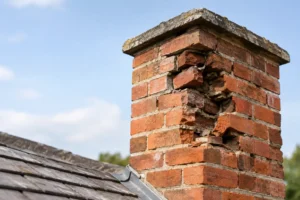
That is why chimney masonry often shows early warning signs before a major leak happens. You may see spalling bricks, crumbling joints, staining on interior walls, rust on the damper, or efflorescence on the outside of the stack. These are not cosmetic issues. They are signs that water has already found a path in.
In New Jersey, weather puts extra stress on chimneys. Heavy rain, snow, ice, and temperature swings can turn a small moisture issue into structural damage faster than many homeowners expect. A proper waterproofing plan helps the chimney shed water instead of holding it.
What chimney waterproofing actually does
When professionals waterproof masonry around chimney brick, they usually use a breathable masonry water repellent. That breathable part matters. The right product helps block outside moisture while still allowing trapped vapor inside the masonry to escape.
This is very different from painting the chimney with a generic sealant or coating. Non-breathable products can trap moisture in the brick and mortar, which often makes damage worse over time. On the surface, the chimney may look sealed. Underneath, moisture can still build up and break materials apart.
Good chimney waterproofing is designed to reduce water absorption without suffocating the masonry. That is why product choice and surface preparation matter just as much as application.
Waterproof masonry around chimney problems start with inspection
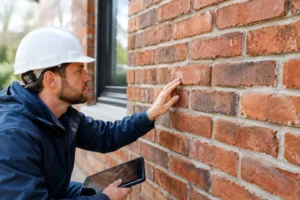
Before any water repellent goes on, the chimney should be inspected as a system. If the masonry has open joints, loose bricks, or cracking around the crown, waterproofing alone will not solve the problem. It may slow surface absorption, but it will not fix active entry points.
A proper inspection usually looks at the brick face, mortar joints, chimney crown, flashing where the chimney meets the roof, and the cap at the top. If any of those components are failing, they need attention first. Otherwise, you are sealing over a bigger issue and hoping it goes away.
This is where many DIY attempts fall short. A homeowner may notice damp brick and apply a store-bought coating, but the real problem may be a gap in the flashing or a crown crack that channels water directly into the structure.
Common issues that need repair before waterproofing
Mortar deterioration is one of the most common ones. When joints begin to recede or crumble, water gets deeper into the chimney and weakens the bond between bricks. Repointing may be needed before waterproofing can be effective.
Cracked chimney crowns are another major issue. The crown is meant to direct water away from the flue opening and masonry below. If it is split or worn down, water will keep entering from the top.
Flashing failure is also a common source of leaks. If the metal where the roof and chimney meet has lifted, rusted, or separated, water can enter around the chimney even if the masonry itself is in decent shape.
The right way to waterproof masonry around chimney brick
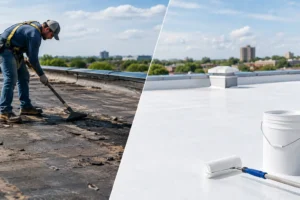
Once repairs are made and the surface is dry enough, the masonry can be treated with a professional-grade water repellent. The application should be even and thorough, covering all exposed masonry surfaces that need protection. In some cases, multiple coats are recommended depending on the product and the condition of the chimney.
Timing matters here. Waterproofing should not be applied during freezing conditions, on saturated masonry, or right before heavy rain. The material needs the right conditions to cure properly and perform the way it is supposed to.
It also helps to understand what waterproofing can and cannot do. It can reduce water penetration through brick and mortar. It cannot replace missing mortar, fix structural movement, or stop leaks caused by damaged roofing components. The best results come when waterproofing is part of a complete repair plan, not a shortcut.
DIY vs professional chimney waterproofing
Some homeowners are comfortable handling minor exterior maintenance, but chimney work has a different level of risk. Access is harder, roof slopes add danger, and the actual cause of the leak is often not obvious from the ground.
There is also the issue of product selection. Many off-the-shelf sealers are made for general masonry use, not for chimneys exposed to constant weather and heat changes. Using the wrong material can leave the chimney trapped with moisture or simply fail after one season.
Professional service usually makes more sense when the chimney is aging, already leaking, or showing visible deterioration. A trained crew can identify whether the issue is absorption through the brick, failed flashing, crown damage, or a mix of all three. That saves time and often prevents repeat repairs.
Signs your chimney may need waterproofing now
If the chimney has never been treated and the masonry is several years old, it may already be due. Water damage tends to build gradually, so waiting for a severe leak is not a good maintenance plan.
Watch for white staining on the brick, loose or flaking masonry, damp smells near the fireplace, interior water marks near the chimney, and visible joint wear. Even if you do not see water inside the house, those outside signs usually mean moisture is doing damage somewhere.
A chimney that looks fine from the yard can still have vulnerable mortar joints or surface absorption problems that show up only during hard weather. That is why periodic inspection matters, especially after winter.
How long chimney waterproofing lasts
It depends on the condition of the masonry, the product used, the exposure level, and whether the chimney was repaired properly beforehand. A professionally applied breathable water repellent can last for years, but it is not permanent.
If the chimney continues to crack, settle, or develop flashing problems, water can still get in through new openings. Waterproofing should be seen as protection, not immunity. Ongoing maintenance still matters.
For homeowners, that means it is worth checking the chimney after major storms, keeping up with inspections, and addressing small repairs before they spread. Preventive work is almost always less expensive than structural rebuilds.
When waterproofing is the smart move
Waterproofing makes the most sense when the chimney masonry is still structurally sound or has been properly repaired first. It is a practical way to extend the life of the brick, reduce moisture damage, and protect nearby roofing and interior areas from avoidable leaks.
It is especially useful for older chimneys that take direct weather exposure and for homes where minor leak signs have already appeared. In those cases, waiting usually gives water more time to damage mortar, rust metal parts, and stain indoor finishes.
At Adore Construction, this kind of work is approached the way it should be – by checking the whole chimney system, fixing what is failing, and applying protection that makes sense for the condition of the structure. That is how you get a repair that holds up instead of one that needs to be redone next season.
If your chimney is showing signs of moisture, the best next step is not guesswork. It is having the masonry, flashing, and top components looked at together so the real source is handled before the damage spreads.