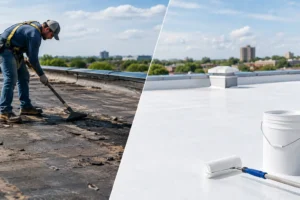
That ceiling stain that keeps coming back after every hard rain is usually not a small problem. For many homeowners, a new jersey roof replacement guide becomes useful the moment patch jobs stop holding, shingles start disappearing after storms, or the roof simply reaches the end of its service life.
A full roof replacement is a big decision, but it does not have to feel like guesswork. What matters most is understanding when replacement makes more sense than repair, what type of roofing system fits your home, and how to avoid paying for a job that solves one issue while leaving another behind.
When repair is no longer enough
Some roofs can be repaired several times before replacement is necessary. A few missing shingles, limited flashing damage, or a small leak around a vent may be fixable if the rest of the system is still in good condition. The problem starts when the visible damage is only part of the story.
If your roof is old, showing widespread shingle loss, curling, bald spots, soft decking, repeated leaks, or sagging sections, repair may only delay a larger failure. Water often travels before it shows up indoors, which means a stain on one ceiling can point to damage somewhere else entirely. By the time leaks become frequent, the underlayment, wood decking, flashing, and even nearby chimney components may already be affected.
That is why replacement is often the smarter long-term move when the roof is aging across the whole surface, not just in one isolated area. Paying for repeated service calls can add up quickly without giving you real protection.
What this New Jersey roof replacement guide should help you decide
A good roof replacement plan is not just about choosing a color of shingle. You are deciding how your home will handle wind, rain, snow, humidity, and seasonal temperature swings. In New Jersey, those conditions matter. A roof that looks fine from the street may still have weak flashing, poor ventilation, trapped moisture, or storm wear that shortens its life.
The right replacement starts with the full system. That includes shingles or membrane, underlayment, decking condition, flashing details, ventilation, drainage, and transitions around chimneys, skylights, and valleys. If one part is ignored, the new roof can underperform long before it should.
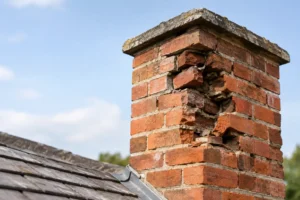
This is where homeowners benefit from a contractor who looks beyond the surface. Roofing problems often overlap with chimney flashing issues, masonry deterioration, and water entry around roof penetrations. If those areas are not addressed during replacement, leaks can return even after a major investment.
Signs your roof may be ready for replacement
Age is one of the biggest indicators, but it is not the only one. Many asphalt shingle roofs begin to lose reliability after about 20 to 25 years, sometimes sooner if ventilation is poor or storm damage has taken a toll. Flat roofing systems follow their own timelines depending on the material and installation quality.
You should take replacement seriously if you notice recurring leaks, visible sagging, granules collecting in gutters, cracked or curling shingles, daylight in the attic, moldy insulation, or rising concerns around flashing. If your roof has already gone through multiple repairs and still makes you nervous every storm season, that is worth paying attention to.
There is also a practical side. A failing roof can lead to interior drywall damage, ruined insulation, wood rot, and hidden structural issues. Waiting too long often makes the total project more expensive.
Choosing the right roofing material
For most homes, asphalt shingles remain the most common choice because they balance cost, appearance, and dependable performance. They work well for many residential rooflines and are available in a range of styles. If installed correctly with proper ventilation and flashing, they can give solid long-term value.
Flat or low-slope sections are different. Those areas may require systems like EPDM, PVC, torch down, or silicone-based solutions depending on the roof design and drainage needs. Each option has trade-offs. Some materials are better for flexibility and weather resistance, while others are selected for heat-welded seams, durability, or ease of maintenance.
Higher-end materials like slate or tile can offer exceptional longevity, but they also come with greater cost and structural considerations. Not every home is designed to carry that weight, and not every homeowner wants the added expense.
The best material depends on your roof shape, budget, maintenance goals, and how long you plan to stay in the home. A reliable contractor should explain the pros and cons clearly instead of pushing one system for every property.
What affects roof replacement cost
Homeowners usually ask about price first, and that is fair. The cost of a roof replacement depends on more than square footage. Roof pitch, height, number of layers to remove, decking repairs, material choice, flashing complexity, and accessibility all affect the final number.
A simple ranch home with one shingle layer is very different from a steep, cut-up roof with valleys, dormers, chimney intersections, and water damage under old materials. Disposal, permit requirements, and the extent of hidden wood replacement can also change the estimate.
The cheapest quote is not always the best value. If an estimate skips ventilation upgrades, flashing replacement, or decking inspection, the lower price may only mean important parts of the job were left out. Clear scope matters just as much as cost.
The inspection matters more than most homeowners realize
A real replacement estimate should begin with a close inspection, not a quick glance from the driveway. The contractor should assess roof wear, penetrations, attic conditions when appropriate, drainage patterns, and signs of hidden moisture damage.
This step is especially important around chimneys. Flashing can fail, mortar joints can crack, and water can move between roofing and masonry systems in ways that are easy to miss. If those details are ignored, a brand-new roof may still leak where the chimney meets the house.
A thorough inspection protects you from surprises and helps set realistic expectations before work begins.
Timing your roof replacement
If your roof is actively leaking, timing is simple. The job should move quickly before interior and structural damage spreads. If the roof is worn but not yet failing badly, you may have more room to plan.
Many homeowners prefer to schedule replacement before peak storm periods or before winter conditions make an already weak roof more risky. Still, the best time is not just about the calendar. It is about acting before a manageable project turns into an emergency.
If you are seeing early warning signs now, getting an estimate sooner gives you options. Waiting until water is inside the home usually reduces those options.
How to compare contractors without getting burned
Roof replacement is one of those jobs where communication tells you a lot. You want a contractor who explains what they found, what they recommend, and why. The estimate should be detailed enough to show what is being removed, replaced, and protected.
Insurance, licensing where required, product knowledge, and experience with your roof type all matter. So does cleanup, scheduling, and how the company handles unexpected deck damage if it is uncovered during tear-off.
A trustworthy local contractor should not make the process feel vague. They should help you understand the condition of your roof, the realistic lifespan of the proposed system, and the areas that need attention beyond the shingles alone. That practical, straightforward approach is what many homeowners want from a company like Adore Construction.
What to expect during the project
Most roof replacements start with tear-off of old materials, followed by inspection of the decking. Damaged wood is replaced as needed, then the new system is installed with underlayment, flashing, ventilation components, and the finished roofing material.
There will be noise, debris control measures, and activity around the house. A professional crew should protect landscaping as much as possible, keep the site organized, and clean up thoroughly at the end. You should also know who to contact if weather delays or hidden damage affect the schedule.
The key is not a perfectly quiet process. It is a controlled, accountable one.
A roof replacement should solve problems, not just cover them
The biggest mistake homeowners make is treating roof replacement like a surface upgrade. A roof is part of a larger protective system, and when it fails, the damage can spread into insulation, framing, ceilings, gutters, and masonry details.
If you use this new jersey roof replacement guide as a starting point, focus on the condition of the full system, not just the visible shingles. Ask direct questions. Get clear answers. And if your roof has started giving you reasons to worry every time the weather changes, it may be time to stop patching and start planning for lasting protection.