A ceiling stain after a hard rain can make any homeowner ask the same question fast: is this a small repair, or are we past that point? When you are weighing roof patch vs replacement, the right answer depends on what failed, how far the damage has spread, and how much life the roof has left.
A lot of roofing problems look minor from the ground. One missing shingle, a damp spot in the attic, or a little flashing damage may seem like something a quick patch can handle. Sometimes that is true. Other times, the visible leak is only the symptom, and the real issue is worn materials, hidden rot, or repeated water intrusion that has been building for months or years.
Roof patch vs replacement: the basic difference
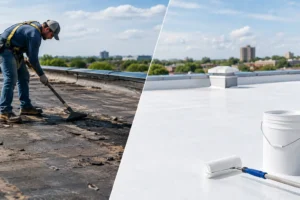
A roof patch is a targeted repair. It fixes a limited problem area, such as a few damaged shingles, a puncture in a flat roof membrane, or failing flashing around a chimney, vent, or skylight. The goal is to stop water entry and restore protection without disturbing the rest of the roof.
A roof replacement is a larger reset. It means removing enough of the old system to address widespread failure, then installing new roofing materials so the home has dependable protection again. In some cases, replacement is partial. In others, it is a full tear-off and new roof system.
The reason this matters is simple: a patch is only a good value if the surrounding roof is still sound. If the roof is already near the end of its service life, patching one area may only buy a little time while other weak points keep showing up.
When a roof patch makes sense
A patch is often the smart choice when the damage is isolated and the roof is still in generally good condition. If a recent storm pulled off a small section of shingles, if flashing opened up at one penetration point, or if a flat roof has a single localized seam failure, repair can be the most cost-effective move.
Age matters here. A newer roof with one problem area is usually a better candidate for patching than an older roof with multiple warning signs. If the materials still have useful life left, a repair can protect that investment and avoid replacing a roof too early.
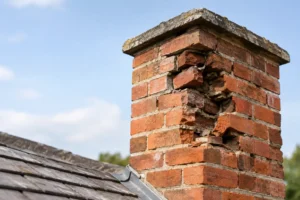
Patching also makes sense when the source of the leak is clear. For example, chimney flashing can fail even when the rest of the roofing system is in decent shape. In those cases, the problem is not always the full roof. It may be one transition point where water found a path in.
A good patch should do more than cover the symptom. It should address the actual failure, match materials as closely as possible, and hold up through the next round of weather. Done properly, it can extend the life of the roof and prevent interior damage from getting worse.
Signs a patch may be enough
If the damage is limited to a small area, the roof is relatively young, and there is no widespread sagging, curling, granule loss, or soft decking, repair is often worth considering. The same goes for a roof that has not had a long history of leaks.
One leak does not always mean full replacement. What matters is whether that leak came from a single event or from a roof system that is wearing out across the board.
When replacement is the better call
There is a point where patching stops being practical. If leaks are showing up in different areas, if repairs have already been done several times, or if the roof materials are brittle and breaking down, replacement usually becomes the safer and more cost-effective choice.
An older roof may accept a repair today and still fail somewhere else next season. That is where homeowners can end up spending money repeatedly without solving the larger problem. A replacement costs more upfront, but it often reduces the cycle of emergency calls, water damage, and interior repair costs.
Replacement is also the better option when water has reached the roof deck or structural components. Once decking is rotted or softened, patching the surface alone is not enough. The damaged substrate needs to be exposed and corrected so the new roofing system has a solid base.
If storm damage affects a large section of the roof, a patch can also create weak transitions between old and new materials. In that situation, replacement gives you a more uniform, reliable result.
Signs replacement is hard to avoid
If shingles are curling, cracking, or losing granules across large sections, if the roof has visible sagging, if multiple leaks keep returning, or if the roof is near the end of its expected lifespan, replacement is usually the stronger long-term move.
This is especially true when the attic shows signs of repeated moisture, mold growth, or insulation damage. Water rarely stays where it first enters. By the time a leak becomes obvious inside, the roof system may already have broader issues.
Cost is important, but value matters more
Most homeowners start with budget, and that is understandable. A patch almost always costs less upfront than a replacement. The mistake is assuming the lower immediate price is automatically the better value.
If a repair buys you several more solid years from a roof that is otherwise in good shape, that is money well spent. But if that same repair is just the next short-term fix on a roof that is already failing, the lower price can be misleading. You may still end up paying for replacement soon, plus the cost of repeated repairs and any interior damage caused by continued leaks.
The better question is not just, “What costs less today?” It is, “What gives me dependable protection without wasting money over the next few years?”
For many homeowners, that is the real roof patch vs replacement decision.
Material type changes the answer
Not every roof ages the same way. Asphalt shingles, EPDM, PVC, torch down roofing, slate, and tile all have different repair profiles and life expectancies. Some materials are easier to patch cleanly. Others become difficult to match or may crack during repair if they are old and brittle.
Flashing details also matter more than many homeowners realize. Roof leaks often come from the areas around chimneys, valleys, vents, and roof edges rather than the field of the roof itself. A skilled inspection can separate a localized flashing failure from a roof system that is generally worn out.
That is one reason experienced exterior contractors look at the full assembly, not just the wet spot. On homes with chimneys, roofing and chimney conditions often overlap. Bad flashing, damaged masonry, or crown issues can all contribute to water entry that looks like a roofing problem at first.
Why inspections matter before you decide
The wrong decision usually happens when someone guesses. A stain on drywall does not tell you how much roofing material has failed. It also does not reveal whether water is entering at the roof surface, around flashing, or near a chimney connection.
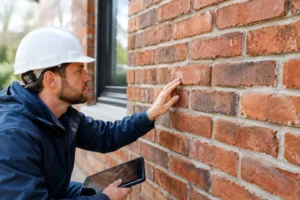
A proper inspection should check exterior roofing materials, flashing, the condition of the decking where possible, and signs of moisture in the attic or upper interior spaces. It should also consider the roof’s age and repair history.
This is where clear communication matters. A dependable contractor should be able to explain whether the issue is isolated or widespread, what a repair would realistically accomplish, and whether replacement would be the safer investment. Homeowners do not need a sales pitch. They need an honest assessment.
How to think about timing
Sometimes the answer is patch now, replace later. That can be a reasonable strategy if the repair is being used to stabilize an active leak while you plan and budget for a full replacement. There is nothing wrong with that approach as long as everyone is honest about it being temporary.
Timing can also be affected by season, storm exposure, and how urgent the leak is. In New Jersey, heavy rain, wind, snow, and freeze-thaw cycles can turn a small roofing failure into a larger problem quickly. Waiting too long can increase repair costs beyond the roof itself.
If the roof is actively leaking, protecting the home comes first. Water intrusion does not stay contained. It can affect insulation, framing, ceilings, paint, and even electrical areas if left alone.
The smartest choice is the one that solves the real problem
Homeowners are often told to either patch everything or replace everything. Real life is not that simple. Some roofs deserve a focused repair. Others are giving clear signs that their useful life is over.
At Adore Construction, the job is not just putting material on a roof. It is protecting the home underneath it with workmanship you can trust. If your roof has started leaking, the smartest next step is to find out whether you are dealing with one failed area or a system that is wearing out.
A good contractor should help you make that call with straight answers, fair pricing, and a plan that fits the condition of the roof, not just the easiest sale. That is how you avoid spending twice and how you keep a small problem from turning into major damage.