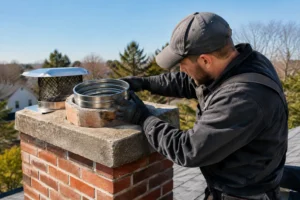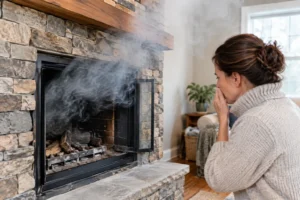
A chimney can look solid from the yard and still have a serious problem inside the flue. That is why the question of chimney liner vs repair matters more than most homeowners realize. If smoke is backing up, tiles are cracked, water is getting in, or your fireplace has not been checked in years, the right fix depends on where the damage actually is – and whether it is creating a fire or carbon monoxide risk.
Chimney liner vs repair: what is the difference?
A chimney liner is the protective passage inside the flue that carries heat, smoke, and combustion gases out of the home. A repair usually refers to fixing damaged parts of the chimney structure, such as mortar joints, brickwork, flashing, the crown, or the smoke chamber. In some cases, the liner itself needs repair or replacement. In others, the liner is fine and the problem is in the masonry around it.
This is where homeowners can get mixed signals. If your chimney is leaking, drafting poorly, or showing signs of age, it does not automatically mean you need a full new liner. On the other hand, patching the outside when the inside flue is unsafe is not enough. A proper inspection should separate structural damage from venting damage, because they are not the same thing.
When chimney repair is enough
There are many situations where a standard repair solves the problem without relining the entire chimney. If the issue is isolated to the exterior masonry, the crown, or the flashing where the chimney meets the roof, the flue liner may not need any work at all.
For example, crumbling mortar joints can let water into the chimney system and speed up deterioration. A cracked crown can do the same. Loose or damaged flashing can cause leaks that show up on interior walls or ceilings. These are repair issues, and they should be handled quickly because water is one of the biggest reasons chimneys break down over time.
A repair may also be enough when a chimney cap is missing, the smoke chamber needs parging, or small sections of brick need rebuilding. These are important fixes. They help protect the chimney, improve performance, and prevent bigger costs later. But they do not necessarily mean the liner has failed.
The key is that the flue still has to be safe, continuous, and sized properly for the appliance using it. If the liner meets those standards, targeted repair can be the smarter and more affordable option.
When a chimney liner becomes the real issue
If the inside of the flue is cracked, broken, deteriorated, undersized, or missing altogether, repair to the outside of the chimney will not solve the main hazard. This is when relining moves from optional to necessary.
Clay tile liners can crack with age, heat stress, moisture, and chimney fires. Once those cracks open up, heat and gases can reach combustible parts of the home more easily. In older houses, some chimneys were built without a liner that meets current safety expectations. Others have liners that no longer match the heating appliance connected to them.
You may need a new liner if an inspection finds broken flue tiles, gaps in the liner joints, severe interior deterioration, heavy spalling, or a venting mismatch after installing a new furnace, boiler, stove, or fireplace insert. These are not cosmetic issues. They affect safety, draft performance, and code compliance.
A failing liner can also cause symptoms that seem minor at first. You might notice strong odors, more soot than usual, poor drafting, smoke entering the room, or moisture problems inside the chimney. Those signs do not confirm liner failure on their own, but they do justify a closer look.
Why this decision is not just about price
Homeowners often start with the same question: can I repair it instead of replacing it? That is a fair question, especially when budgets are tight. But chimney liner vs repair is not a simple price comparison because the two solutions address different problems.
A masonry repair may cost less upfront if the flue is still sound. A liner installation can cost more because it is deeper work involving the venting system itself. Still, a cheaper repair is not a bargain if the actual danger is inside the flue. You could end up paying for exterior work now and liner work later, while the system remains unsafe in between.
The reverse is also true. If a contractor pushes a full liner when the real problem is a leaking crown or failing flashing, you may spend more than necessary. Good chimney work starts with diagnosis, not guesswork.
How professionals decide between liner work and repair
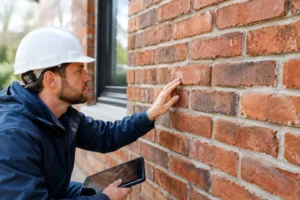
A reliable chimney contractor should inspect both the visible masonry and the interior flue before recommending anything. That often includes a camera inspection for a closer view of the liner walls, joints, offsets, and hidden damage.
From there, the decision comes down to a few practical questions. Is the liner intact and doing its job? Is the chimney structure stable and weather-tight? Is the appliance venting correctly through the flue it has? Has water damaged one part of the system or the whole thing?
If the damage is limited and the venting path is still safe, repairs may be enough. If the flue has failed or no longer matches the heating system, relining is the safer route. In some homes, both are needed. That is common with older chimneys where water damage on the outside has been developing at the same time as flue deterioration inside.
Common scenarios homeowners face
A homeowner sees white staining on the brick, a damp firebox, and mortar pieces on the ground. That often points to moisture intrusion. The repair may involve tuckpointing, crown repair, waterproofing, or flashing correction. But if moisture has been entering for years, the liner may also have interior damage.
Another homeowner installs a new high-efficiency appliance and starts having draft problems. The chimney structure may look fine, but the existing flue could be oversized or incompatible. In that case, a new liner may be the right fix even if little exterior repair is needed.
Then there is the older chimney that has seen years of use without maintenance. Exterior repairs can improve appearance and stop water entry, but if the flue tiles are cracked or the smoke chamber is in poor shape, the chimney may still be unsafe to use until the venting system is corrected.
These examples show why one-size-fits-all answers do not work. Every chimney system has its own history, appliance load, weather exposure, and level of wear.
The role of water damage in liner and repair decisions
In New Jersey, freeze-thaw cycles can be especially hard on chimneys. Water gets into small gaps, expands in cold weather, and turns minor defects into major cracks. That affects brick and mortar on the outside, but it can also damage liners and interior surfaces over time.
This matters because water problems often blur the line between chimney liner vs repair. You may start with a small leak around the flashing or crown, then end up with spalling flue tiles, rusted components, and interior deterioration. If moisture is the root cause, the best repair plan usually has to address both protection and performance.
That might mean rebuilding the crown, sealing masonry, correcting flashing, and relining the flue if damage has already spread inside. Fixing only one side of the problem usually leads to repeat issues.
What homeowners should ask before approving work
Before you agree to any chimney project, ask what problem is being fixed and how the contractor confirmed it. Ask whether the liner is damaged, whether the masonry is compromised, and whether the current setup is safe for the appliance you use. You should also ask if the recommendation is a targeted repair, a full relining, or a combination of both.
Clear answers matter. A trustworthy contractor should be able to explain the condition of the chimney in plain language, show you where the damage is, and tell you what happens if the problem is left alone. At Adore Construction, that practical, straightforward approach is how homeowners make better decisions without feeling pressured.
Choosing the safer long-term fix
The right answer is not always the cheaper one or the bigger job. It is the fix that makes the chimney safe, stops damage from spreading, and gives you a system you can rely on. Sometimes that means repairing masonry before the flue is affected. Sometimes it means relining a chimney that can no longer vent safely. And sometimes it means doing both in the right order.
If your chimney is showing signs of wear, do not wait for smoke, leaks, or a failed inspection to force the decision. A good inspection can tell you whether you need repair, a new liner, or a plan that protects the whole system before the next heating season puts it to the test.
A chimney does not need to look dramatic to be unsafe, and it does not need a full rebuild every time something goes wrong. The smart move is getting the right diagnosis early, then fixing the part that is actually failing.