A roof leak around the chimney rarely stays a small problem for long. Water can stain ceilings, rot roof decking, damage masonry, and create hidden repair costs before you know exactly where it started. That is why this homeowner guide to chimney flashing matters. If you understand what flashing does, what failure looks like, and when repair makes sense versus replacement, you are in a much better position to protect your home.
What chimney flashing actually does
Chimney flashing is the metal waterproofing system installed where the chimney meets the roof. That joint is one of the most vulnerable spots on the entire roof because two different surfaces are coming together at an angle, and both are constantly exposed to rain, snow, ice, wind, and temperature changes.
Flashing is there to direct water away from that seam instead of letting it slip under shingles or into the masonry. When it is installed correctly, water sheds down the roof as it should. When it is damaged, loose, rusted, or poorly installed, that same area can become a steady source of leaks.
Most chimney flashing is not just one piece of metal. It is usually a system that includes step flashing along the sides of the chimney, apron flashing at the front, and saddle or cricket flashing on the high side for wider chimneys. There is also counter flashing, which is built into the chimney mortar joints and overlaps the base flashing below. That layered approach matters because it gives water more than one barrier.
A homeowner guide to chimney flashing problems
Homeowners often assume a chimney leak means the masonry itself is the issue. Sometimes that is true, but flashing is one of the first things a qualified contractor should inspect. It tends to fail for a few common reasons.
Age is a big one. Metal expands and contracts with the weather, sealants dry out, and old fasteners can loosen over time. Poor installation is another major cause. If the flashing was surface-mounted without proper overlap, sealed as a shortcut, or not integrated correctly with the roofing material, it may look fine from the ground while still letting water in.
Storm exposure also plays a role. In New Jersey, freeze-thaw cycles, wind-driven rain, and snow buildup can put real stress on chimney areas. If water gets into small openings and then freezes, those gaps can widen fast.
Then there is the issue of patchwork repairs. A little roofing cement around the chimney might slow a leak for a short time, but it usually does not solve the root problem. In many cases, heavy caulking is a sign that the flashing system is already failing.
Signs your chimney flashing may be failing
Some warning signs show up inside the house first. You may notice a ceiling stain near the fireplace wall, bubbling paint, damp drywall, or a musty smell in an upper room or attic. Those symptoms do not always point to flashing alone, but they should never be ignored.
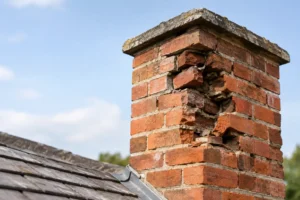
Outside, there are more direct clues. Rusted metal, lifted flashing edges, cracked sealant, missing mortar around counter flashing, or shingles deteriorating around the chimney can all indicate trouble. On masonry chimneys, you might also see spalling brick or deteriorating mortar joints if water has been getting in for a while.
One important trade-off to understand is that not every leak around a chimney means the flashing needs full replacement. Sometimes the problem is limited to a specific section, or the leak is actually tied to the crown, cap, masonry, or nearby roofing material. That is why a full inspection matters more than a guess from the ground.
Repair or replace? It depends on the condition
If the flashing is relatively new and the problem is minor, a targeted repair may be enough. That could include resealing a limited area, re-securing a loose section, replacing damaged counter flashing, or correcting a small integration issue with the shingles.
If the metal is rusted through, repeatedly patched, separating in multiple areas, or installed incorrectly from the start, replacement is usually the smarter investment. Paying for repeated small repairs on a failing flashing system often costs more over time than handling it properly once.
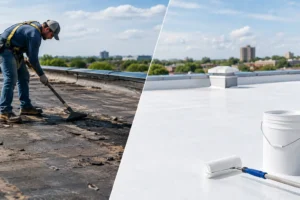
Roof age also matters. If your roof is nearing the end of its life, it may make sense to address the chimney flashing as part of the roofing work. Flashing and roofing materials work together, so replacing one without considering the other can limit how long the repair lasts.
This is where homeowners benefit from straightforward advice. The cheapest option today is not always the most affordable option over the next five years.
Why proper installation matters so much
Chimney flashing is one of those details that separates a quick patch from professional workmanship. Good flashing is not just attached to the chimney and covered with sealant. It should be carefully fitted, layered, and integrated into the roof system so water naturally runs away from the joint.
Counter flashing should be embedded correctly into mortar joints or otherwise installed in a way that protects the base flashing beneath it. The shape and size of the chimney matter. So does the roof slope, the roofing material, and whether a cricket is needed behind the chimney to prevent pooling water.
That is also why chimney flashing should not be treated as a simple handyman task. The work involves roofing, waterproofing, and masonry knowledge all at once. If one part is handled wrong, the whole system can underperform.
Materials homeowners should know about
Galvanized steel is common and cost-effective, but it can rust over time if it is exposed or damaged. Aluminum is lightweight and resists corrosion, though it may not be ideal for every application. Copper is durable and long-lasting, but it comes at a higher price point.
For most homeowners, the best material is not just about upfront cost. It is about matching the flashing to the roof, the chimney condition, and the expected lifespan of the surrounding materials. A premium flashing material on an aging roof may not always make sense. On the other hand, using a budget material on a long-life roof can create a weak point sooner than necessary.
What to expect during a chimney flashing inspection
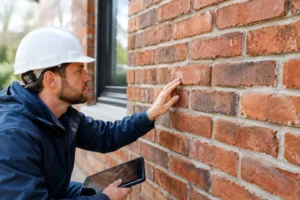
A proper inspection should look at more than visible metal. The contractor should evaluate how the flashing ties into the shingles, whether the counter flashing is secure, the condition of nearby masonry, and whether there are signs of moisture intrusion below the roofline.
Photos are especially helpful here. Homeowners should be able to see what is failing and why a repair or replacement is being recommended. Clear explanations matter. If a contractor cannot explain the problem in plain language, that is a red flag.
At Adore Construction, that practical approach is what homeowners tend to value most. People want to know what is wrong, what it will take to fix it, and whether the repair is built to last.
Can you prevent chimney flashing problems?
You can reduce the risk, even if no roof component lasts forever. Annual roof and chimney inspections help catch small issues before they turn into interior leaks. After major storms, it is smart to have visible damage checked, especially if you notice lifted shingles or new water marks indoors.
Keeping up with chimney maintenance also helps. Damaged mortar joints, cracked crowns, and neglected waterproofing can all contribute to water problems around the chimney area. Flashing does an important job, but it performs best when the surrounding chimney structure is in good shape too.
If you are replacing your roof, ask specifically about chimney flashing instead of assuming it is included at the right level. Some jobs involve full replacement, while others may only include limited reuse or spot updates. That detail should be clear in the estimate.
When to call a professional
If you see active leaking, water stains near the chimney, rusted flashing, or obvious separation at the roof line, it is time to get it checked. Waiting usually gives water more time to spread into roof decking, insulation, framing, and interior finishes.
Even if the leak seems minor, chimney leaks have a way of traveling. The place where water shows up inside is not always the place where it entered. A trained inspection can narrow down the real source before more damage builds up.
The best time to deal with chimney flashing is when the problem is still manageable. Solid flashing protects more than the chimney. It protects the roof around it, the rooms below it, and the long-term condition of the home itself.
If you have questions about the area where your chimney meets the roof, trust what your house is telling you. Small stains and loose metal are often early warnings, and early action is usually the difference between a repair and a much bigger job later.