Key Highlights
- Your roof replacement day involves a clear sequence of steps, from tearing off old materials to installing the new roof.
- The roof installation process typically takes one to three days, depending on your roof’s size and complexity.
- A professional roofing contractor will protect your property, manage debris, and perform a thorough cleanup.
- Noise and disruption are normal on installation day, so it’s wise to plan activities for your family and pets.
- A final inspection with your contractor ensures the work meets quality standards and confirms warranty details.
- Knowing what to expect helps make your new roof project a smooth and stress-free experience from start to finish.
Introduction
Getting a new roof is a significant home improvement project, but it doesn’t have to be overwhelming. Understanding what happens on the day of your roof replacement can make the entire process feel more manageable. When you know what to expect from the roof installation, from the crew’s arrival to the final cleanup, you can prepare with confidence. Hiring a professional roofing contractor like Adore Construction ensures that each step is handled efficiently, giving you peace of mind and a durable, new roof.
Understanding the Roof Replacement Day Process
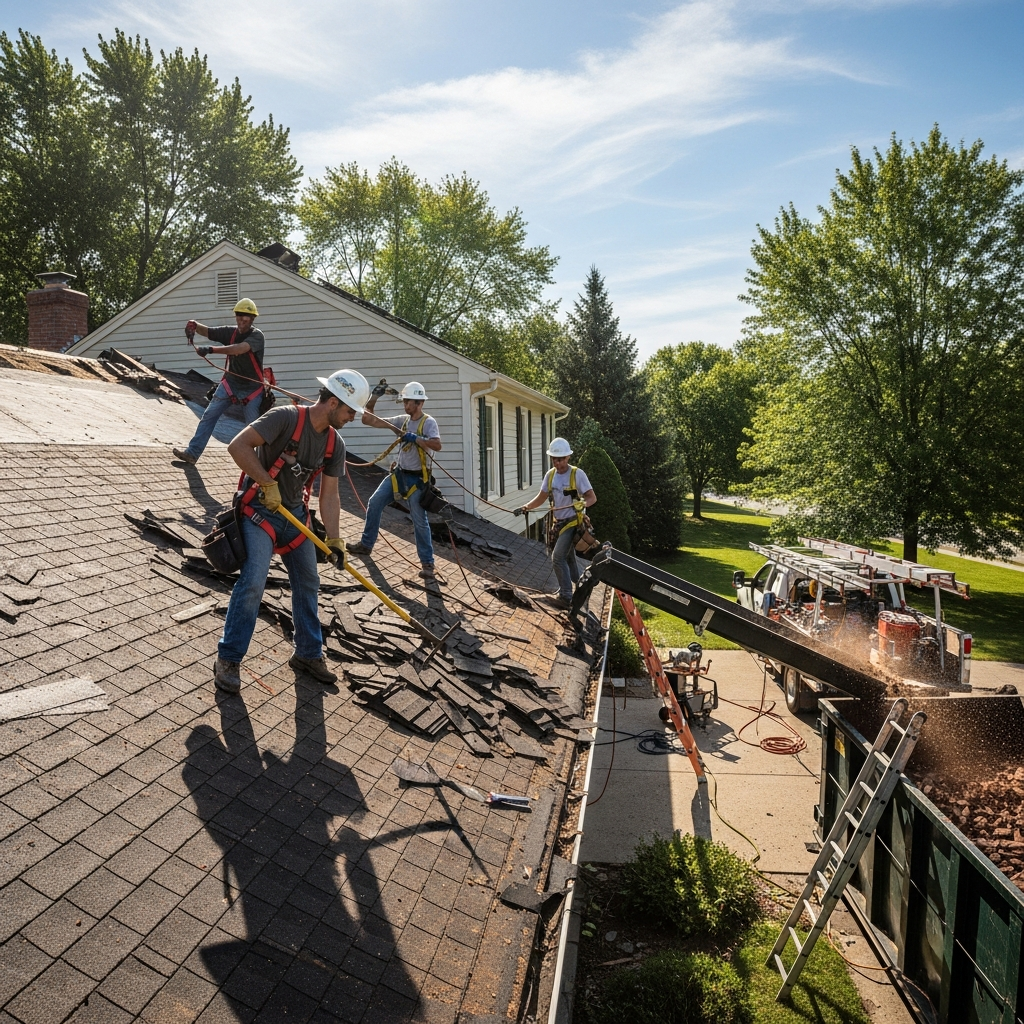
Your roof replacement day is a well-organized event when managed by an experienced roofing contractor. The process involves removing your entire old roofing system, including the old shingles and underlayment, and installing a completely new one.
This is a major undertaking, but a professional crew follows a structured plan to ensure the installation day runs smoothly. From property preparation to the final inspection, each step is designed to protect your home and deliver a high-quality result. Let’s look at the specific steps and timing.
Sequence of Steps Involved on Roof Replacement Day
The installation process follows a predictable sequence to ensure efficiency and quality. Your day starts with the crew preparing your property by protecting landscaping and setting up for debris removal. This preparation is key to a clean and safe worksite.
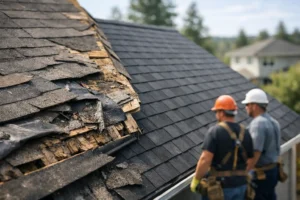
Next, the team begins the tear-off phase, removing the old shingles to expose the roof deck underneath. This is a critical moment for a quick roof inspection, as it allows the crew to check for any rotted or damaged wood that needs replacement before the new system is installed. Once the deck is confirmed to be sound, the installation of your new roof begins. The process typically unfolds in this order:
- Arrival of the crew and site preparation.
- Tear-off of old shingles and underlayment.
- Inspection and repair of the underlying roof deck.
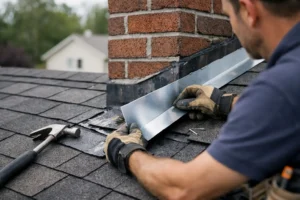
- Installation of new protective layers and flashing.
- Installation of your chosen roofing material.
- Thorough cleanup and final site inspection.
This structured workflow, from material selection to the final roof inspection, ensures every part of your new roof is installed correctly and efficiently.
Typical Timeline and How Long the Process Takes
Many homeowners wonder how long the roof installation process will take. For most residential homes, a professional crew can complete the job in just one to three days. The exact duration depends on several factors, including the roof size, its complexity or steepness, and the type of materials being installed.
Weather also plays a significant role. A clear forecast allows the team to work uninterrupted, sticking closely to the planned schedule. Your contractor should provide a clear timeline before the installation day begins, so you know exactly what to expect.
Here is a general breakdown of the timeline for an average-sized roof on installation day:
|
Stage of the Day |
Activity |
|---|---|
|
Early Morning (7-8 AM) |
Crew arrives, property preparation, and dumpster placement. |
|
Mid-Morning (8-11 AM) |
Tear-off of the old roof and inspection of the roof deck. |
|
Late Morning/Afternoon (11 AM – 4 PM) |
Installation of underlayment, flashing, and new roofing materials. |
|
Late Afternoon (4-6 PM) |
Final installation details, site cleanup, and initial magnet sweep. |
Preparing Your Home and Property for Roofers
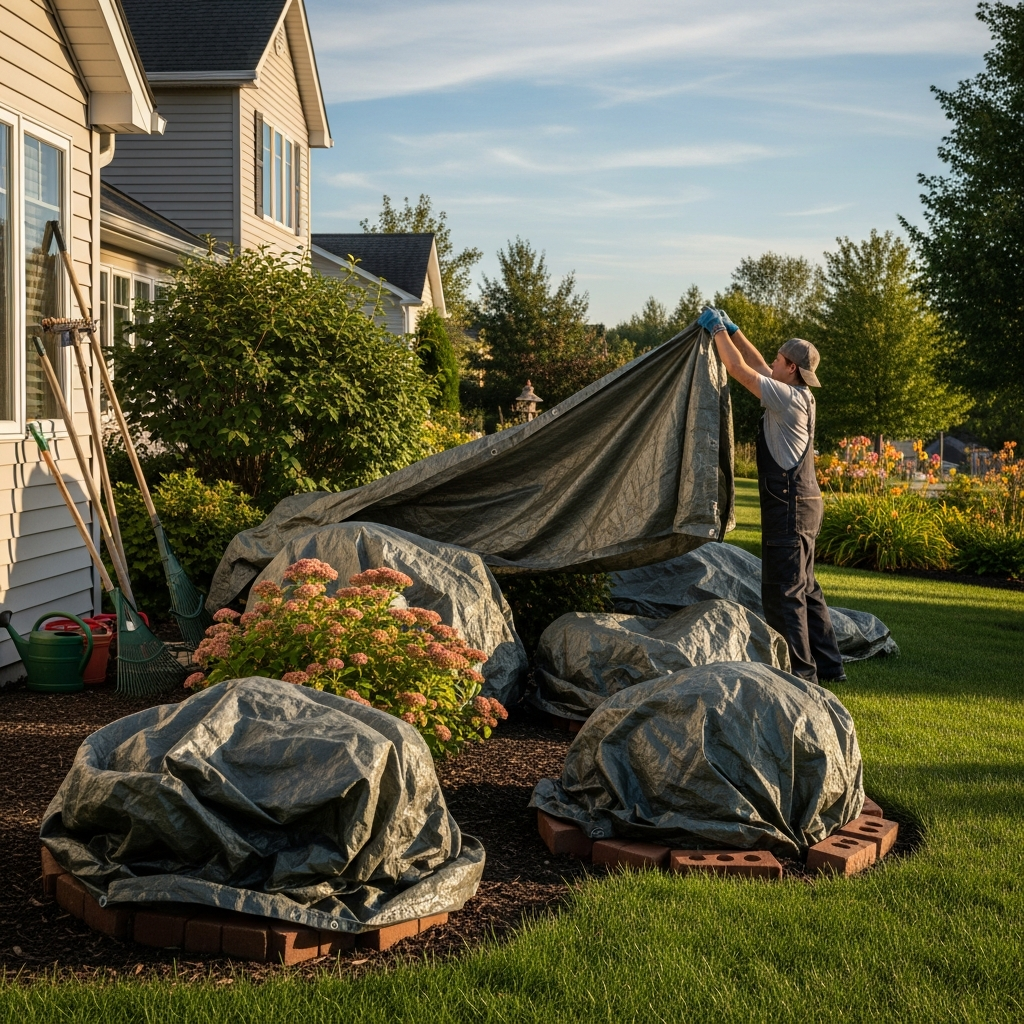
A little preparation can make a big difference on the day of your roof replacement. Before the roofing crew arrives, taking a few simple steps will help protect your property and ensure the roof work proceeds smoothly. Your site supervisor will appreciate the clear access and reduced risk of accidental damage.
Preparing both the outside and inside of your home is important. This includes clearing outdoor spaces and taking precautions indoors to keep your family and pets safe from the noise and activity associated with removing an old roof.
Outdoor Preparation: Protecting Your Yard and Landscaping
Protecting your outdoor space is a top priority. Your roofing contractor will use tarps to cover landscaping and siding, but you can help by clearing the work area beforehand. Removing items from your yard and driveway ensures the crew has safe, easy access and helps prevent accidental damage from falling debris.
During the tear-off of old roofing materials, debris is unavoidable. By preparing your yard, you make the debris removal process more efficient. It is also wise to hold off on any new landscaping projects, like planting flowers or laying mulch, until after the roof work is complete.
Here are a few key steps for outdoor preparation:
- Move patio furniture, grills, toys, and potted plants away from the house.
- Clear your driveway so the crew can park equipment and a dumpster.
- Mow your lawn a day or two before the project to make finding stray nails easier during cleanup.
- Talk to your contractor about any specific fragile items or areas of your landscaping that need extra protection.
Indoor Preparation: Safety Measures for Pets and Family
While the work happens outside, preparing the inside of your home is just as important for safety and comfort. The process of tearing off an old roof and installing a new one creates significant vibrations and noise levels. These can be startling for both people and pets.
To minimize stress, consider creating a quiet space for pets in a basement or a room far from the noise. The vibrations can also cause items on walls to shift. Taking a few minutes to secure or remove fragile decor can prevent accidental falls and damage.
Follow these simple safety protocols on installation day:
- Remove pictures, mirrors, and other fragile items from exterior walls.
- Cover items stored in the attic with a tarp, especially in older homes, to protect them from dust and fine debris.
- Keep pets and small children away from the work area and in a secure, comfortable part of the house.
What Homeowners Can Expect During the Roofing Work
A roof installation is a major home improvement project, and it comes with a certain level of disruption. You can expect consistent activity from the roofing crew throughout the day, along with significant noise levels. Knowing this ahead of time helps you mentally prepare for the temporary inconvenience.
The sounds of work and the presence of the crew are normal parts of the process. Understanding what to expect regarding noise and crew access will help you plan your day effectively. Let’s explore these aspects in more detail.
Level of Noise and Disruption in Your Home
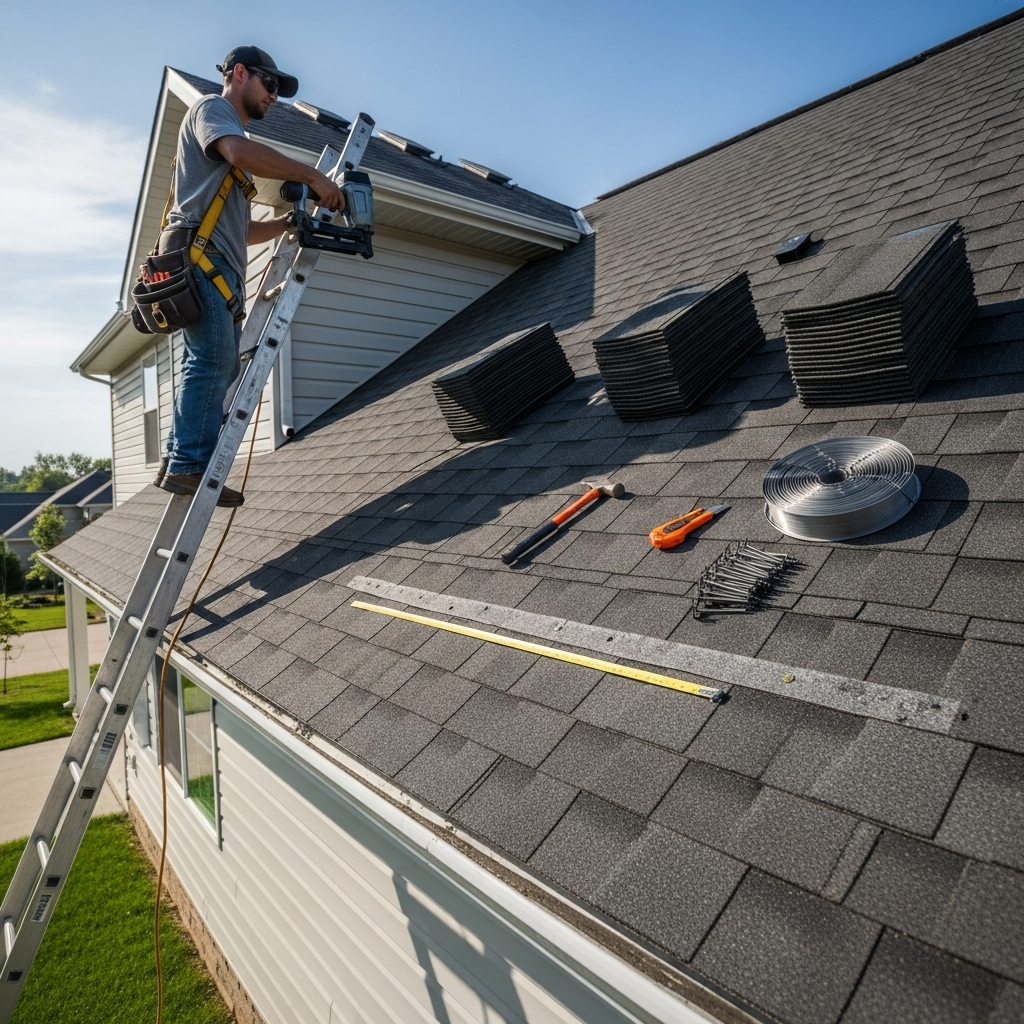
Be prepared for a noisy day. Roof installation involves a lot of activity directly overhead, and the sounds will travel throughout your house. The tear-off of the old roof is often the loudest part, followed by the sound of hammers and nail guns as the new materials are secured to the roof deck.
These noise levels can be disruptive, especially if you work from home or have young children. The vibrations from the work can also be felt inside the house. While the noise is temporary, it will be constant for most of the installation day.
You should expect sounds from:
- The scraping and removal of old shingles.
- The steady rhythm of hammers and nail guns fastening new materials.
- The crew communicating on the roof and on the ground.
Planning to run errands or spend time away from the house can be a good strategy to avoid the peak noise periods.
Crew Access: Will Roofers Need to Enter Your House?
In most cases, the roofing crew will not need to enter your house during the replacement. All the work is performed on the exterior of your home, and the professional crew will have everything they need outside. The work area is confined to your roof and the immediate perimeter of your house.
There are, however, rare exceptions. A contractor may need to perform an attic inspection to check the underside of the roof deck for signs of leaks or structural damage, but this is usually done during the initial roof inspection before the project starts. If access is needed for any reason on installation day, the site supervisor will communicate this with you directly.
Your contractor should not need to use your home’s facilities, such as bathrooms or electrical outlets, unless previously discussed and agreed upon. A professional team respects your privacy and property, ensuring their work causes minimal intrusion into your personal space.
Staying Home or Leaving: Making the Best Choice
Deciding whether to stay home or leave during the roof installation is a personal choice. Many homeowners prefer to stay to be available for the site supervisor if questions arise. However, since a roof replacement is a major home improvement project, the noise and disruption can be significant.
There is no right or wrong answer, but considering a few factors can help you make the best decision for your family’s comfort and peace of mind on installation day. Let’s weigh the pros and cons of each option.
Factors to Consider When Deciding to Stay or Go
Your decision to stay or leave during the roof installation depends on your personal tolerance for noise and your family’s needs. If you work from home, have napping children, or have pets sensitive to loud sounds, a temporary relocation might offer you more peace of mind.
On the other hand, staying home allows you to watch the progress and be available for any immediate questions your contractor may have. You can coordinate with the site supervisor for safe entry and exit from your home. Ultimately, the choice is about balancing convenience with comfort.
Consider these factors when making your decision:
- Noise Levels: The project will be very loud. Can you tolerate constant hammering and activity?
- Work from Home: Will the disruption make it impossible for you to concentrate or take calls?
- Children and Pets: The noise can be frightening for young children and pets.
- Peace of Mind: Would you feel more comfortable being on-site or getting away from the construction zone for the day?
Safety Tips for Families and Children During Roof Replacement
Safety is the number one priority during a roof installation. A professional contractor will establish clear safety protocols, but it is important for your family to be aware of them too. The work area can be hazardous due to falling debris and equipment.
Keeping children and pets inside and away from all doors and windows is crucial. Designate a safe entrance and exit with your site supervisor, usually a side or back door away from the primary work zone. Reinforce with your children that the yard is off-limits for the entire installation day.
To ensure everyone stays safe, follow these tips:
- Establish a “no-go” zone around the perimeter of your house.
- Keep children and pets indoors and supervised at all times.
- Coordinate with the site supervisor for a safe path to enter or leave the house.
- Do not allow anyone to stand under the eaves or near the dumpster where debris is being collected.
Cleaning Up and Inspection After Roof Replacement
Once the new roof is installed, the job isn’t finished. A professional roofing contractor will perform a thorough cleanup and a final inspection to ensure everything is perfect. This final phase includes complete debris removal and a walkthrough to review the work and your warranty information.
This commitment to cleaning and quality control is a hallmark of a reputable company. You should expect your property to be left in the same condition it was in before the project started, with the addition of a beautiful new roof. Let’s look at what the cleanup and inspection entail.
What Should Happen with Cleanup on the Same Day
A thorough cleanup is an essential part of the roofing process and should happen before the crew leaves for the day. The roofing crew is responsible for removing all old materials, packaging, and other debris from your property. This includes a detailed search for stray nails.
Professional teams use large tarps to catch most of the debris, which simplifies the debris removal process. After the tarps are removed, they will use magnetic sweepers to go over your lawn, driveway, and garden beds to collect any stray nails that may have fallen.
Your contractor’s cleanup process should include:
- Removal of all old materials and project-related trash.
- A magnetic sweep of the entire property to find and remove nails.
- Ensuring walkways, driveways, and landscaping are clear of debris.
If you find any leftover materials or nails after the crew leaves, contact your contractor. A quality company, like a Professional Chimney & Roofing Service in New Jersey, will promptly return to address it.
Final Walkthrough and Quality Checks with Your Roofing Contractor
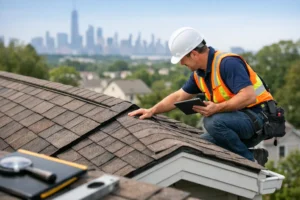
After the cleanup, a final inspection is performed to guarantee the quality of the work. A site supervisor or project manager will conduct a detailed roof inspection, comparing the finished product against a quality checklist. This ensures the installation meets or exceeds manufacturer specifications.
This is also the perfect time for you to walk the property with your roofing contractor. You can ask questions, review the work, and receive your warranty information. This final walkthrough provides assurance that the job was done right and gives you a clear understanding of your new roof’s features and coverage.
During the final inspection, your contractor should:
- Review the completed installation to confirm it meets all quality standards.
- Provide you with all necessary documentation, including workmanship and manufacturer warranty information.
This step ensures you are completely satisfied with the project and confident in the long-term protection of your home.
Conclusion
In conclusion, knowing what to expect on roof replacement day can significantly alleviate stress and ensure a smooth process. From understanding the sequence of steps involved to preparing your home for the crew, being informed empowers you to make the right choices. As disruptions and noise are part of the process, considering whether to stay home or leave is crucial for your comfort and safety. Post-replacement clean-up and inspections also play a vital role in ensuring that the job is done to your satisfaction. By being proactive and prepared, you can enjoy peace of mind as your new roof is installed with care and professionalism. If you have any questions or need further assistance, don’t hesitate to reach out for expert guidance.
Frequently Asked Questions
Is there risk of property or landscaping damage during roof replacement?
While there is always a small risk, a professional roofing contractor minimizes it by using protective tarps for landscaping and siding. They also manage the work area carefully to control debris removal during the roof installation. Clear communication about fragile plants or yard features helps ensure they are protected.
How do weather delays impact my scheduled roof replacement?
Bad weather conditions like rain or high winds will delay your installation day. Your roofing contractor will not start a project if it risks exposing your home to potential water damage. They will monitor the forecast closely and reschedule for the next available clear day, keeping you informed throughout the process.
What are the signs of quality workmanship to look for on roof replacement day?
Signs of quality workmanship include a well-organized roofing crew, proper installation of materials according to manufacturer’s specifications, and a commitment to safety. A thorough cleanup and a detailed final inspection are also key indicators that your contractor is dedicated to providing a high-quality, professional service.