A lot of homeowners first hear about EPDM after a leak starts showing up over a flat roof section – above a porch, addition, garage, or sunroom. That is usually when the question comes up: is EPDM roofing for homes actually a smart long-term option, or just a budget patch? In many cases, it is a very practical residential roofing system. But like any roof, the right answer depends on the part of the house, the drainage, the installation quality, and how the material is expected to perform over time.
What EPDM roofing for homes actually is
EPDM stands for ethylene propylene diene monomer, but most homeowners know it simply as a rubber roofing membrane. It is commonly used on low-slope and flat roof areas where shingles are not a good match. Instead of relying on overlapping individual pieces the way an asphalt shingle roof does, EPDM uses large membrane sheets designed to create a continuous layer of protection against water intrusion.
For residential properties, EPDM is often installed on home additions, attached garages, covered patios, dormers, and other roof sections with minimal pitch. It can also be used on larger residential structures where low-slope design is part of the home’s layout. The reason it stays popular is simple – it handles standing water and weather exposure far better than materials that were never meant for flat surfaces.
Where EPDM makes sense on a house
The biggest factor is roof pitch. If a roof is too low for shingles to shed water properly, a membrane system is usually the safer choice. EPDM performs well in those situations because it is built to resist moisture, UV exposure, and temperature swings without depending on gravity alone to move water off the roof.
That does not mean every home should have EPDM everywhere. On a traditional sloped front-facing roof, shingles, slate, or tile may make more sense for both appearance and design. But on low-slope sections that tend to collect water or experience repeated leak issues, EPDM can be one of the most reliable options available.
This is especially relevant on older homes where additions were built years after the main structure. It is common to see a steep shingle roof connected to a nearly flat rear section. That transition area often becomes a problem spot. A properly installed EPDM membrane, combined with solid flashing details, can protect that area much more effectively than a material not designed for it.
Why homeowners choose EPDM
One reason homeowners choose EPDM is durability. A well-installed system can last for decades, especially when the roof deck is sound and drainage has been handled correctly. The material is flexible, which helps it deal with seasonal expansion and contraction without the same kind of cracking you may see in more rigid systems.
Another advantage is repairability. If a branch damages the membrane or a seam starts to fail, repairs are often straightforward when caught early. That matters for homeowners who want a roofing system that can be maintained instead of replaced the moment a problem appears.
Cost also plays a role. EPDM is often more affordable than some other flat roofing systems, particularly on residential sections where homeowners need a dependable result without overspending. Lower upfront cost does not automatically mean lower quality. It means the system can be a strong value when it is matched to the right application.
The trade-offs to know before you install it
EPDM is not the right answer for every roof or every homeowner. The first trade-off is appearance. It is usually black, and while that is not a problem on many low-slope sections that are barely visible from the street, some homeowners prefer a roofing material with a more finished architectural look.
Heat absorption is another consideration. Black EPDM can absorb more heat than reflective systems, which may matter depending on the home, insulation levels, and how that roof area affects interior comfort. In some cases, that issue is minor. In others, a different membrane may be worth discussing.
Installation quality matters a lot. EPDM is dependable, but only when seams, flashing, edges, penetrations, and drainage points are handled correctly. A low-slope roof is less forgiving than a steep one. If water sits near a poorly sealed pipe boot or loose flashing edge, small mistakes can turn into interior damage fast.
There is also the issue of foot traffic. EPDM can hold up well, but repeated walking, dropped tools, or neglected debris can shorten its life. Homeowners with rooftop equipment or regular access needs should make sure the roof is designed with that in mind.
How EPDM installation works on a residential roof
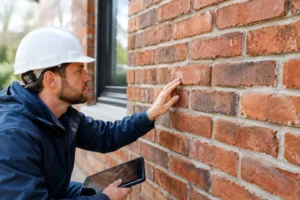
A proper EPDM installation starts before the membrane is rolled out. The roof deck has to be inspected for soft spots, rot, trapped moisture, and structural weakness. If the base is failing, no membrane on top of it will fix the real problem.
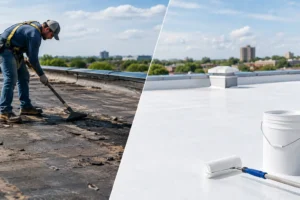
Once the deck is ready, the membrane is installed over the prepared surface using the appropriate attachment method. Seams are sealed, flashing details are completed around walls and penetrations, and edge terminations are secured to keep wind and water from working underneath the system. On a home, this part matters just as much as the membrane itself.
Drainage should also be checked closely. EPDM can tolerate conditions that would damage other materials, but no flat roof should be treated like a pond. If water is constantly trapped because of poor slope, clogged drains, or low spots, the system will have a harder life than it should.
Common problems with EPDM roofs on homes
Most EPDM roofing problems come down to details, age, or neglect. Seams can separate over time. Flashing can fail around chimneys, skylights, vents, and wall transitions. Debris can collect and slow drainage. In some cases, the membrane itself is still in decent shape, but one weak point starts letting water in.
That is why leaks on low-slope residential roofs should be checked early. Water often travels before it shows up inside. What looks like a small ceiling stain may be coming from a seam or flashing problem several feet away.
Homeowners should also be careful about assuming every flat-roof leak means full replacement. Sometimes the issue is localized and repairable. Other times, repeated patching on an older failing system just delays the larger job. A good inspection should separate those two situations clearly.
Repair or replace?
If the membrane is still relatively young and the problem is limited to one section, repair may be the better move. Targeted repairs can extend service life and control costs when the overall roof system remains sound.
Replacement becomes the smarter choice when the roof has widespread seam failure, multiple chronic leaks, saturated insulation, or clear signs that the system is near the end of its useful life. Homeowners often spend more than they realize on repeat service calls before deciding to replace. At a certain point, putting more money into an aging roof stops being cost-effective.
This is where clear communication matters. A contractor should be able to explain whether the issue is isolated, whether the decking underneath is affected, and whether repair is likely to hold. Homeowners do not need a sales pitch. They need a direct answer based on the roof in front of them.
Maintenance expectations for EPDM roofing for homes
EPDM is fairly low-maintenance, but low-maintenance does not mean no maintenance. It should still be inspected, especially after heavy storms, strong wind, or winter weather. Leaves and debris should be cleared so water can move properly. Flashing and edge details should be checked before a small gap turns into a leak.
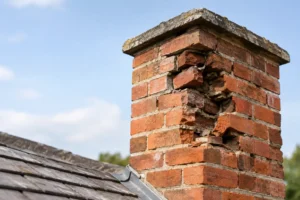
If the roof is near a chimney, that area deserves extra attention. Water intrusion on homes often involves more than one exterior system at a time. Roofing, flashing, and masonry conditions can all affect one another, especially on older properties.
Routine inspections help homeowners stay ahead of hidden damage. That is often the difference between a manageable repair and interior water damage that spreads into insulation, ceilings, and framing.
Is EPDM the right residential roofing choice?
For the right roof section, yes. EPDM is a strong option for homes with low-slope areas that need dependable waterproofing, practical repair options, and solid long-term value. It is not the most decorative material, and it is not the right fit for every part of every house. But when used where it belongs and installed the right way, it can protect a home for many years.
For homeowners dealing with a leak over a flat or low-slope section, the main question is not whether EPDM sounds good on paper. It is whether the roof’s condition, drainage, and layout support the system properly. That is where an honest inspection matters. If you are weighing repair versus replacement and want a clear answer from a local team, Adore Construction can help you look at the roof practically and make the next step with confidence.
The best roofing decision is usually the one that solves the problem fully, not the one that just gets you through the next storm.