A roof estimate can look straightforward on paper and still leave out the details that matter most. If you want the best questions for roof estimate appointments, focus less on getting the lowest number and more on understanding what that number actually covers. A cheap quote can get expensive fast if the contractor skips ventilation, flashing, decking repairs, or cleanup.
For most homeowners, the hardest part is not knowing what to ask until the crew is already on the roof. By then, your leverage is gone. The right questions help you compare contractors fairly, avoid surprises, and make sure the job protects your home for the long haul.
Why the best questions for roof estimate visits matter
Roofing prices can vary for good reasons and bad ones. One contractor may include ice and water shield, permit handling, and replacement of damaged plywood. Another may leave those items out to show a lower number upfront. On the surface, both estimates can seem similar. In practice, they are not the same job.
That is why the conversation during the estimate matters as much as the written proposal. A dependable contractor should be able to explain the roof system in plain English, point out current problem areas, and tell you where extra costs could come from before work starts. Clear answers usually signal clear workmanship.
Start with the scope of work
The first thing to ask is simple: What exactly is included in this estimate? You want more than a total price. You want to know whether the proposal includes tear-off, disposal, underlayment, flashing, ventilation components, drip edge, ridge caps, and any replacement of damaged wood.
This question matters because homeowners often assume these pieces are standard. Some are, some are not, and some depend on the roof’s current condition. If the estimate is vague, ask the contractor to spell it out. A professional should not be bothered by that. In fact, they should expect it.
Next, ask whether this is a repair estimate or a replacement estimate, and why. Sometimes a leak in one area can be fixed reliably. Other times, the visible leak is just one symptom of a larger failure. A trustworthy contractor should explain the trade-off. A repair may cost less today, but if the roof is near the end of its service life, patchwork can turn into repeated service calls.
Ask what they found during the inspection
One of the best questions for roof estimate discussions is: What problems did you see, and what caused them? That gets beyond surface pricing and into diagnosis.
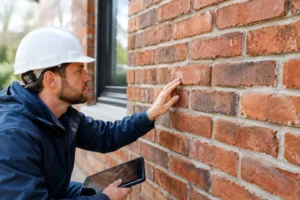
A good contractor should be able to show you signs of storm damage, missing shingles, failed flashing, soft decking, poor ventilation, pooling water, deteriorated pipe boots, or chimney-related trouble areas. They should also explain whether the issue is isolated or part of a broader pattern.
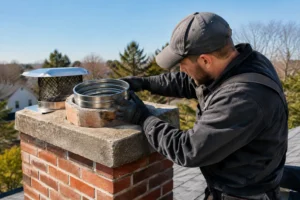
This is especially important when the roof problem is close to a chimney, skylight, or wall connection. Leaks in those areas are not always caused by the field shingles themselves. Sometimes the real issue is flashing, masonry deterioration, or water entry around roof penetrations. If a contractor jumps straight to a price without explaining the cause, that is a reason to slow down.
Talk about materials, not just brand names
Ask what materials they plan to use and why those materials fit your home. That includes shingles or membrane type, underlayment, flashing metal, sealants, and ventilation products.
You do not need a technical lecture. You do need to know whether the contractor is choosing products based on performance or just cost. In New Jersey, roofs deal with wind, heavy rain, temperature swings, and winter weather. Material choices should reflect that. The best answer is usually specific. It should connect the material to your roof style, slope, age, and exposure.
It also helps to ask whether the estimate includes manufacturer-recommended components for a complete system. A roof is not just shingles nailed down in rows. If one contractor is quoting a full system and another is pricing only the visible surface, the lower estimate may not be the better value.
Get clear on hidden costs before work starts
A smart question is: What could change the final price after the job begins? Every honest roofer knows there are some unknowns until the old roofing is removed. Rotten decking is the classic example.
The key is not whether extra costs are possible. The key is how the contractor handles them. Ask how damaged wood is priced, how you will be notified, and whether approval is required before additional work is done. That protects your budget and prevents awkward surprises.
You should also ask whether permits are needed and whether the estimate includes them. If your municipality requires permits and the contractor expects you to handle it yourself, that should be clear from the beginning.
Ask who will actually be on your roof
Homeowners sometimes assume the person giving the estimate is the person running the job. That is not always the case. Ask who will supervise the project, whether labor is in-house or subcontracted, and who you should contact if questions come up during the work.
This is less about corporate structure and more about accountability. You want to know who is responsible for workmanship, safety, scheduling, and communication. If the answers feel slippery, that is a problem.
It is also fair to ask whether the contractor is insured and properly qualified for the work being proposed. Roofing is high-risk work on one of the most important systems of your home. You should not have to guess whether the company is covered.
Ask about protection for your home and property
Roof work can be messy. Ask how the crew will protect landscaping, siding, gutters, driveways, and walkways during tear-off and installation. Also ask how cleanup will be handled at the end of each day.
This may sound minor compared to shingles and flashing, but it matters. Nails in the driveway, debris in the yard, and damaged shrubs are common homeowner complaints after roofing jobs. A contractor who plans carefully for site protection usually plans carefully in other areas too.
If you have children, pets, or a tight property layout, mention that during the estimate. The right contractor will adjust the plan and set expectations clearly.
Ask about timeline and weather delays
Another of the best questions for roof estimate meetings is: When can you start, how long will the job take, and what happens if weather interrupts the schedule?
Roofing timelines depend on size, complexity, material type, and weather. A simple shingle replacement may move quickly. A roof with multiple penetrations, steep sections, chimney flashing work, or underlying repairs may take longer. The important thing is that the contractor gives you a realistic window, not a sales answer.
Ask how your roof will be protected if the project is opened up and rain moves in. The answer should sound practiced, not improvised.
Warranties deserve plain-English answers
Ask two separate questions here. First, what is the manufacturer warranty on materials? Second, what workmanship warranty does the contractor provide?
Those are not the same thing. A material warranty covers product defects under certain conditions. A workmanship warranty covers installation errors. Both matter, but homeowners often hear the word warranty and assume they are fully covered for everything. That is rarely how it works.
A dependable contractor should explain what is covered, for how long, and what could void that coverage. If the warranty language sounds fuzzy during the estimate, do not expect it to get clearer later.
Compare estimates the right way
When you review multiple proposals, resist the urge to compare only totals. Compare scope, materials, ventilation, flashing details, cleanup, permit handling, warranty terms, and how each contractor explained the condition of your roof.
The cheapest estimate can be the best choice if the scope is complete and the company is reliable. It can also be the most expensive choice in the long run if important steps are missing. On the other hand, the highest estimate is not automatically the most thorough. Price matters, but clarity matters more.
If one contractor is noticeably higher or lower, ask why. Their answer may tell you more than the number itself.
The questions that build trust fastest
If you want to keep it simple, focus on these: What exactly is included, what problems did you find, what could increase the price, who will supervise the job, and what warranty do I get in writing? Those questions cut through sales talk quickly.
A solid roofing contractor will welcome them. They know homeowners are not just buying materials. They are trusting someone to protect the house, the people inside it, and the money it takes to maintain it.
That is the real purpose of a roof estimate. It is not just a number. It is a chance to see how a contractor thinks, communicates, and stands behind the work before your project begins. Ask direct questions, expect direct answers, and take the estimate that gives you confidence as seriously as the one that gives you a fair price.