A chimney leak rarely starts as a dramatic problem. More often, it shows up as a ceiling stain near the fireplace, damp drywall in the attic, or musty odors after a hard rain. In many cases, chimney flashing leak repair is the real fix – not a bucket of sealant on the roof and not another temporary patch that fails by next season.
When flashing around the chimney is damaged, loose, rusted, or installed the wrong way, water finds the gap and keeps moving. Once it gets under shingles or behind masonry, the repair can grow from a small roofing issue into rotten wood, interior damage, mold, and chimney deterioration. That is why the right repair matters.
What chimney flashing does
Flashing is the metal system that seals the joint where the chimney meets the roof. That joint is one of the most vulnerable areas on any home because it combines two different surfaces that expand, contract, and shed water differently.
A proper flashing system is not just one strip of metal. It usually includes step flashing woven with shingles along the sides of the chimney, base flashing at the lower section, and counter flashing embedded or secured into the chimney to cover and protect the step flashing. When these parts are fitted correctly, water is directed down and away instead of into the roof system.
If even one part is missing or poorly installed, the whole assembly can fail. That is why a leak near the chimney often comes back after a quick caulk job. The visible gap may not be the real problem.
Signs you may need chimney flashing leak repair
Some leaks are obvious. Others hide for months. Homeowners usually notice the results before they see the source.
Water stains on ceilings or walls near the chimney are common warning signs. You may also see bubbling paint, warped trim, damp insulation in the attic, or dark spots on the masonry. In some homes, the leak only appears during wind-driven rain, which makes it easy to ignore until the damage gets worse.
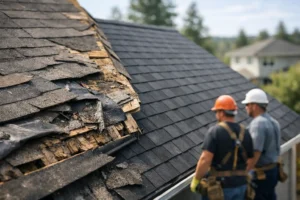
From the roof, there may be loose metal, rusted flashing, cracked sealant lines, missing shingles around the chimney, or gaps where flashing has pulled away from the brick. If the chimney itself is aging, failing mortar joints or cracked crowns can add to the problem. That is where diagnosis matters. Not every chimney leak starts at the flashing, but flashing is one of the most common causes.
Why chimney flashing starts leaking
Age is a big factor, but it is not the only one. A flashing system can fail because of weather exposure, poor workmanship, movement in the roof structure, or shortcuts taken during a past roof replacement.
One common issue is improper layering. Flashing should work with the roofing material, not sit on top like a cosmetic cover. If shingles and step flashing were not installed in the correct sequence, water can run underneath. Another issue is relying too heavily on roofing cement or caulk. Sealants have a place, but they should support a properly built flashing system, not replace it.
In New Jersey, freeze-thaw cycles and heavy storms can speed up wear. Metal expands and contracts, mortar joints open up, and water keeps testing the weakest point. Over time, even a decent installation may need repair or replacement.
What a real chimney flashing leak repair looks like
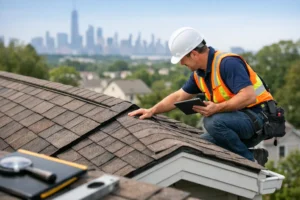
A lasting repair starts with inspection, not guesswork. The contractor needs to determine whether the leak is coming from the flashing, the masonry, the crown, the cap, or a combination of issues. That matters because the wrong repair wastes money and leaves the home exposed.
If the flashing is the source, the best solution is often partial or full replacement of the metal system rather than another surface patch. Damaged shingles around the chimney may need to be removed so the step flashing can be rebuilt correctly. Counter flashing should be secured properly and fit tightly against the chimney. If rusted metal is left in place or new metal is layered over failing components, the repair may not hold.
In some cases, sealant can help extend the life of a newer flashing system with minor gaps. But if the metal is bent, separated, corroded, or badly installed, repair usually means taking it apart and rebuilding it the right way.
Repair vs. replacement – what makes sense?
It depends on the condition of the flashing, the age of the roof, and whether there is hidden water damage underneath.
If the leak is minor and the flashing is mostly intact, a focused repair may be enough. That could involve resealing select joints, re-securing loose counter flashing, and replacing a few surrounding shingles. This is usually the more affordable option when caught early.
If the flashing system is old, patched multiple times, or tied into a roof that is already near the end of its life, replacement is usually the better investment. Rebuilding chimney flashing on a failing roof can be a short-term fix at best. In that situation, it may make more sense to coordinate the work so the roofing and flashing system function together.
A trustworthy contractor should explain that trade-off clearly. The cheapest option today is not always the lowest-cost outcome over the next few years.
Why DIY chimney leak fixes often fail
Homeowners naturally want to stop a leak fast. The problem is that many do-it-yourself repairs only hide the symptom.
Roof tar, generic caulk, and peel-and-stick products can sometimes slow water down for a short period, especially in dry weather. But chimney areas handle constant runoff, temperature changes, and movement. If the flashing is loose or the installation was wrong from the start, surface products usually break down quickly.
There is also the safety issue. Working around a chimney on a sloped roof is not a simple weekend task. Beyond the fall risk, an incomplete repair can trap water where you cannot see it. By the time the leak shows up again, the decking or framing may already be damaged.
How professionals diagnose the source
A proper chimney leak inspection looks at more than the metal edge around the brick. The roof covering, underlayment, chimney mortar, crown, cap, and nearby ventilation areas all need to be checked.
That wider inspection matters because chimney leaks can overlap. For example, flashing may be failing at the same time the chimney crown is cracked or the brick is absorbing water due to worn mortar joints. If only one problem gets attention, the homeowner may still see moisture and assume the repair did not work.
Experienced contractors look for water patterns, not just obvious holes. They check where water is entering, how it is traveling, and whether there is evidence of long-term intrusion beneath the surface.
What to expect during chimney flashing leak repair
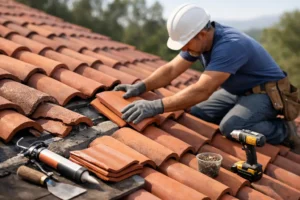
Most flashing repairs are straightforward for a qualified crew, but the exact scope depends on how much damage is present. The process often starts with removing shingles around the chimney and exposing the old flashing. Any rotted wood or damaged roof components underneath should be addressed before new metal goes in.
Once the area is sound, the new flashing system is installed in layers so water sheds properly. The surrounding roofing materials are then restored, and the chimney connection is sealed and finished where needed. If masonry issues are contributing to the leak, those repairs may need to happen at the same time for the job to last.
A good repair should look clean, but appearance is not the main test. Performance is. The goal is a watertight system built for seasons of weather, not just a neat-looking patch.
How to prevent future leaks
The best prevention is regular inspection, especially after major storms or if your roof and chimney are older. Small flashing issues are much easier and less expensive to fix before water spreads into insulation, ceilings, and framing.
It also helps to avoid piecemeal repairs by different crews who are only addressing part of the problem. Chimneys sit at the intersection of roofing and masonry, so the work needs to account for both. That is where a contractor with real experience in chimney and roof repair brings value.
If you have already patched the same leak more than once, that is usually a sign the original cause was never fully corrected. At that point, a deeper inspection is the smart move.
For homeowners, the goal is simple: stop the leak, protect the structure, and avoid paying twice for the same problem. A solid chimney flashing repair does exactly that – and gives you one less thing to worry about when the next storm rolls in.