Key Highlights
- A roof replacement permit is almost always required for a full roof replacement in New Jersey.
- Following state building codes ensures your roof is safe and installed correctly.
- The permit process involves submitting an application, paying fees, and scheduling inspections.
- Your roofing contractor is typically responsible for managing the permit requirements.
- Skipping the permit can lead to fines, legal issues, and problems when selling your home.
- Permits and inspections are essential for code compliance and your peace of mind.
Introduction
Replacing your roof is a significant investment in your home’s safety and value. For homeowners in New Jersey, this type of roofing project involves more than just choosing shingles. You must also understand and follow local regulations and building codes. The permit process can seem confusing, but it’s a crucial step to ensure your new roof is safe, legal, and built to last. This guide will explain the permit and code requirements for roof replacements in NJ.
Understanding Roof Replacement Permits in New Jersey
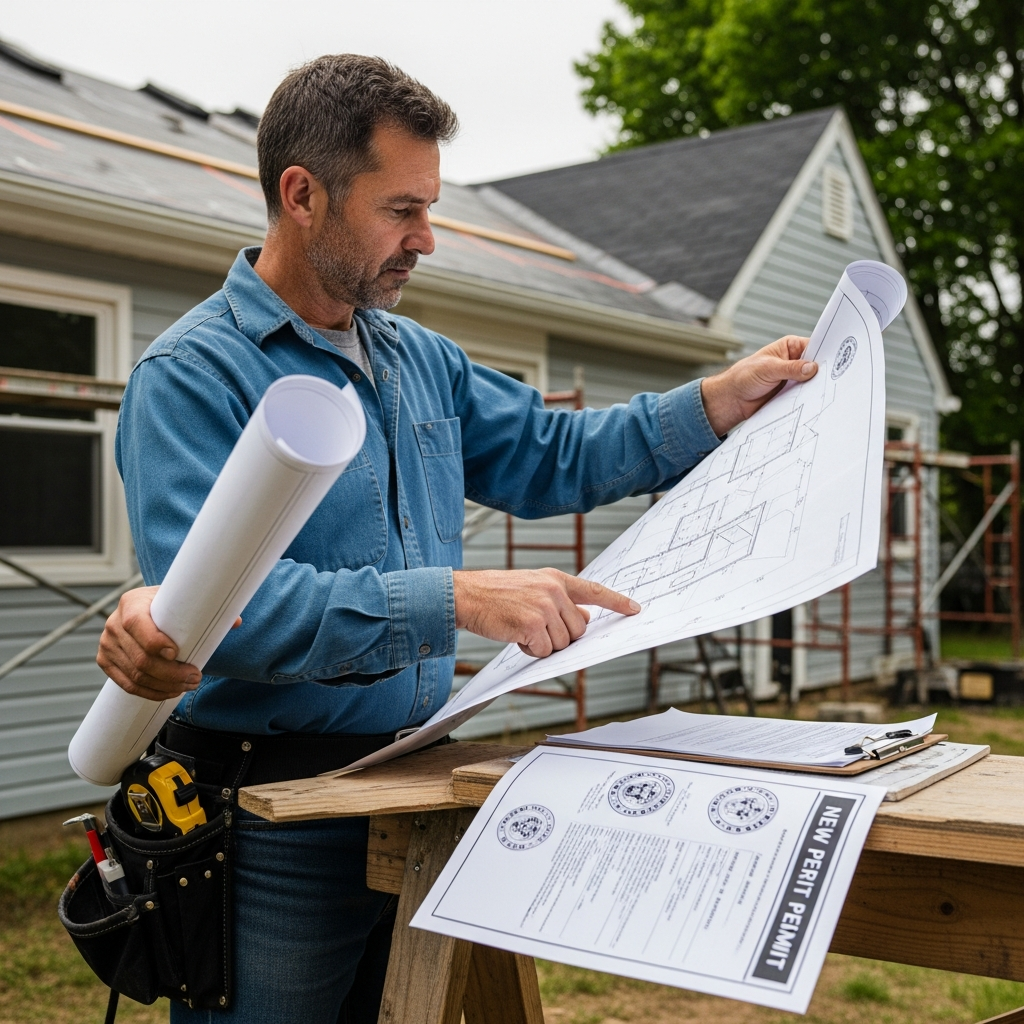
In New Jersey, a roof replacement permit is an official document that authorizes your project. It’s issued by your local building department and confirms that your plans meet state and municipal safety standards. Understanding these permit requirements is the first step toward a successful roofing project.
Navigating this process ensures your project is compliant from start to finish. We will explore what a permit is and why it’s a non-negotiable part of replacing your roof in the Garden State.
What Is a Roof Replacement Permit?
A roof replacement permit is a type of construction permit. It is an official approval from your local building department that allows you to begin your roofing project. In New Jersey, most significant roofing work, especially a full replacement, requires this authorization. You will almost always need a permit to replace your roof in New Jersey.
Think of it as a safeguard. The permit confirms that the planned roofing work complies with the New Jersey Uniform Construction Code (UCC). This code sets the standards for safe building practices across the state, ensuring your new roof is structurally sound and secure.
Obtaining this permit is a formal process. It involves submitting an application and detailed plans to the building department before any work starts. This ensures your project is on the right track from the very beginning.
Why Permits Are Required for Roof Replacement
Permits are essential for ensuring public safety and code compliance. Building codes are in place to protect you, your family, and your investment. A roofing permit triggers inspections from the municipal building department, which verify that the work meets strict standards for materials, installation, and structural integrity.
Adherence to state law is another key reason. The New Jersey UCC is the governing set of rules for construction, and a permit is the mechanism for enforcing it. Without a permit, there is no official oversight to confirm that your project follows these important safety regulations.
Ultimately, a permit protects your home’s value. Unpermitted work can cause major problems when you decide to sell. A properly permitted and inspected roof provides peace of mind for you and demonstrates to future buyers that the job was done correctly and legally.
Do You Need a Permit to Replace Your Roof in NJ?
For most roof replacements in New Jersey, the answer is yes. The state’s building codes mandate permits for most projects that go beyond simple repairs. If you are doing a full tear-off and replacement, you will definitely need to secure a permit before work begins.
A professional roofing contractor will be familiar with these rules and will insist on obtaining the proper permits. Understanding the specific situations that do and do not require a permit will help you plan your project correctly.
Scenarios That Require a Roof Replacement Permit
A roofing permit is necessary for most large-scale roofing jobs in New Jersey. The state’s Uniform Construction Code is clear that any project involving more than just minor repairs needs official approval from the local building department.
Do you need a permit to replace your roof in New Jersey? Yes, especially in these common scenarios. A full roof replacement, where all existing shingles and materials are removed down to the deck, always requires a permit. The same goes for any project involving structural changes to your roofline.
Permits are generally needed for the following:
- A full roof replacement or tear-off.
- Any structural changes to the roof deck or frame.
- Replacing more than 25% of the total roof area.
- Adding a second layer of shingles over an existing one.
Situations Where a Permit May Not Be Necessary
While most roofing work requires a permit, there are a few exceptions. The state allows for certain minor tasks to be performed without a permit under the category of “ordinary maintenance.” These are typically small-scale repairs that do not affect the structural integrity of your roof.
Are there any exceptions where a roof replacement in NJ does not require a permit? Yes, but they are limited. Simple roof repair jobs, like replacing a few damaged shingles or patching a small leak, usually fall into this category. The key is that the work must be minor and not part of a larger replacement project.
Generally, you may not need a permit for:
- Replacing a small number of shingles (less than 25% of the roof area).
- Patching minor leaks.
- Sealing flashing.
- General upkeep that does not involve structural work. Always check with your local building department to be sure.
Key Roofing Code Requirements for Homeowners in NJ
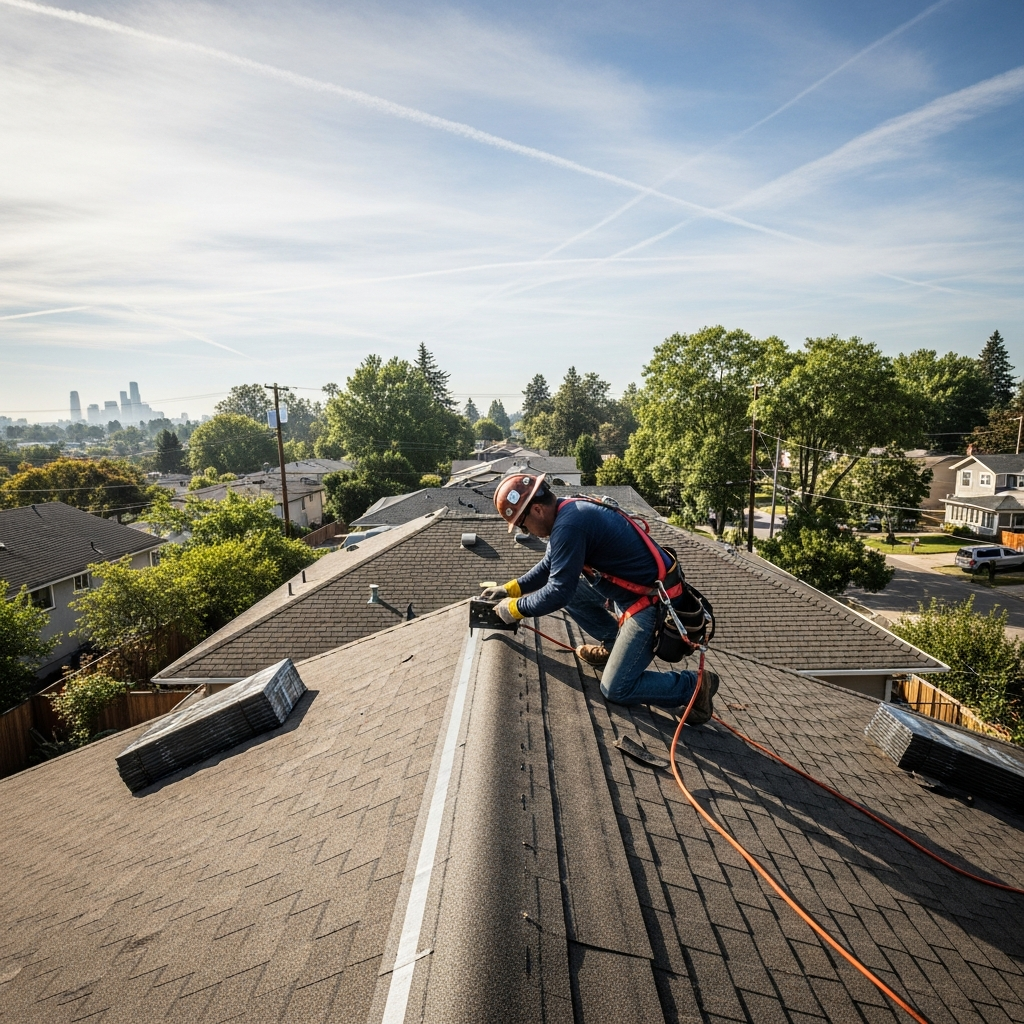
Understanding the key roofing codes is essential for any homeowner in New Jersey planning a roof replacement. These rules are part of the New Jersey Uniform Construction Code (UCC) and are designed to ensure every roof is safe, durable, and weather-resistant. Achieving code compliance is a primary goal of the permit requirements.
These building codes cover everything from the types of materials you can use to how they must be installed. Below, we’ll look at the current standards and how requirements can differ based on your property type.
Current Roofing Codes and Safety Standards
The roofing codes in New Jersey are based on the International Residential Code (IRC) and International Building Code (IBC), with specific state amendments. These current building codes establish the minimum safety standards for all roofing projects. The Uniform Construction Code ensures consistency and safety across the state.
What are the current roofing code requirements for homeowners in NJ? They cover several critical areas of your roof’s construction. This includes proper underlayment, flashing techniques around chimneys and vents, and ventilation standards to prevent moisture buildup. The codes also specify material requirements, such as fire ratings and wind resistance, to ensure your roof can withstand the elements.
Key aspects of these roofing codes include:
|
Code Requirement |
Description |
|---|---|
|
Structural Load |
The roof must support potential weight from snow, wind, and the materials themselves. |
|
Underlayment |
A water-resistant barrier must be installed between the roof deck and the shingles. |
|
Flashing |
Metal flashing is required at all roof intersections and penetrations to prevent leaks. |
|
Ventilation |
Proper attic ventilation is mandatory to control temperature and moisture. |
|
Material Standards |
Roofing materials must meet specific fire and wind resistance ratings. |
Special Requirements for Single-Family vs Multi-Family Residences
Yes, there are often different permit requirements for single-family homes versus multi-family buildings in NJ. While the core safety principles of the state building codes apply to all structures, the specific requirements can vary based on the building’s size, use, and number of occupants.
For multi-family residences like townhouses or apartment buildings, the regulations are typically more stringent. The roofing permit process might involve more detailed plans and inspections to account for shared walls, complex roof designs, and increased fire safety considerations. These buildings fall under different sections of the building code.
Key differences can include:
- Fire Ratings: Multi-family buildings often require materials with higher fire-resistance ratings.
- Structural Plans: The scope of work may require plans certified by an architect or engineer.
- Accessibility: Codes for larger buildings may include rules about safe access to the roof for maintenance.
How to Apply for a Roof Replacement Permit in New Jersey

Applying for a roofing permit in New Jersey involves a standardized but locally managed permit process. You will need to work with your local municipal building department to submit the necessary forms and documentation. While the state sets the overall rules, each town handles the application and approval.
A professional roofing contractor can handle this entire process for you. However, knowing the steps involved will help you understand the timeline and what to expect. Here’s a look at the application process and the documents you’ll need.
Step-by-Step Application Process
How do I apply for a roofing permit in New Jersey? The permit process follows a few key steps. The first step is to obtain the correct application forms from your local building department. This usually includes a main construction permit application and a building subcode form.
A reputable roofing contractor will typically manage this process on your behalf. They will complete the forms with all the necessary project details, including the scope of work and materials to be used. Once the application is complete, it is submitted to the municipal office for review.
The general process looks like this:
- Complete the NJ Uniform Construction Code permit application forms.
- Submit the application and supporting documents to the local building department.
- Pay the required permit fees.
- Wait for the plan review, which legally must be completed within 20 business days, though it is often faster for simple projects. You will be notified upon the approval of your application.
Documents and Information Needed When Applying
When applying for a roofing permit, you need to provide specific documents and information to ensure your application is processed smoothly. Having everything prepared in advance will help avoid delays. What documents do I need to provide when applying for a roof replacement permit in NJ? The list is fairly standard across municipalities.
You will need to provide a detailed description of the scope of work. This includes information about the materials you’ll be using, such as the type and manufacturer of the shingles. Your contractor’s information, including their state license number and proof of insurance, is also required.
Key documents for your application typically include:
- A completed construction permit application form.
- A detailed description of the work to be performed.
- Proof of your contractor’s license and insurance.
- Payment for the permit fees.
Inspections and Compliance During Roof Replacement
Once your permit is issued, the roofing process is monitored through a series of required inspections. These checks are performed by the local building department to ensure the work is proceeding according to code. This oversight is a critical part of achieving full code compliance.
From in-progress checks to the final inspection, these steps guarantee that your new roof is safe and properly installed. Understanding the role of the inspector and the inspection process is important for every homeowner.
The Role of Building Inspectors in NJ
Yes, a building inspector absolutely needs to check your roof replacement in NJ. Building inspectors are certified professionals who work for the municipality. Their job is to verify that your roofing project meets all the safety and quality standards outlined in the New Jersey building code.
During the roofing project, the inspector may conduct periodic inspections. For example, they might want to see the roof deck after the old shingles are removed or check the underlayment before the new shingles are installed. This ensures each stage of the work meets the requirements for code compliance.
Once the project is finished, the inspector will perform a final inspection. If all work is completed correctly, they will approve the project and the permit will be closed. This final approval is your official confirmation that the roof was installed legally and safely.
What Happens if You Fail the Inspection?
Failing a roof inspection means the inspector has found an issue where the work does not meet code. The inspector will issue a notice detailing the specific violations that need to be corrected. Your contractor will then be required to fix these issues before another inspection is scheduled.
This is one reason why avoiding unpermitted work is so important. If you replace your roof without a permit, you bypass this entire system of checks and balances. The building department could discover the work later, forcing you to undergo a difficult and costly process to get retroactive approval, which may even require removing parts of the new roof.
Ultimately, failing inspections can lead to delays and extra costs for your roofing project. In the long run, unpermitted work can negatively impact your home’s value and create significant problems when you try to sell your property.
Penalties and Risks of Roof Replacement Without a Permit
Choosing to replace your roof without a permit is a risky decision that can lead to serious consequences. Unpermitted work exposes you to significant fines, legal trouble, and other homeowner liabilities. Municipalities take code compliance seriously, and the penalties for bypassing the system can be severe. The building department has the authority to issue stop-work orders and levy daily fines until the situation is resolved.
Beyond the immediate financial penalties, skipping a permit creates long-term problems. It can void your homeowner’s insurance, complicate a future home sale, and leave you with no guarantee that the structure of the roof is safe. The short-term savings are not worth the long-term risks associated with unpermitted work. As a provider of Professional Chimney & Roofing Service in New Jersey, we always ensure full compliance.
Fines, Legal Issues, and Homeowner Liabilities
What happens if I replace my roof in NJ without a permit? The consequences can be costly and stressful. Under New Jersey state law, municipalities can impose significant fines for unpermitted construction. These fines can be issued daily until you obtain the proper permit and pass all required inspections, quickly adding up to thousands of dollars.
In addition to fines, you could face serious legal issues. Your town can issue a stop-work order, immediately halting your project. In a worst-case scenario, you might be ordered to remove the new roof at your own expense so an inspector can verify the work underneath. This can turn your roofing project into a financial and logistical nightmare.
These homeowner liabilities extend to insurance and future sales. An insurance company may deny a claim for damage related to unpermitted work. When you sell your home, the unpermitted roof will be a major red flag for buyers and could even cause the sale to fall through.
Conclusion
In conclusion, navigating the complexities of roof replacement permits and code requirements in New Jersey is crucial for homeowners. By understanding when a permit is necessary and the specific code requirements, you can avoid potential fines and legal issues. It’s essential to ensure compliance with local regulations to maintain the safety and integrity of your home. Properly applying for a permit and adhering to inspection protocols will not only protect your investment but also contribute to a successful roofing project. If you have questions or need assistance with your roof replacement process, don’t hesitate to reach out for professional guidance.
Frequently Asked Questions
Who Is Responsible for Getting the Roofing Permit in New Jersey?
In New Jersey, the roofing contractor is typically responsible for obtaining the roofing permit. A licensed and reputable contractor will handle the entire application process with the local building department on your behalf. This ensures all paperwork is filed correctly and the project is compliant from the start, protecting both the contractor and the homeowner.