A roof leak does not automatically mean your entire roof has failed. For many homeowners, the real question is silicone roof coating versus replacement: can the existing roof be restored safely, or has the damage gone too far? The right answer depends on what is happening beneath the surface, not just what the roof looks like from the ground.
A silicone coating can be an effective way to extend the life of a suitable low-slope roof. A full replacement is the better investment when the system, insulation, or roof deck has sustained widespread damage. A professional inspection separates a manageable restoration from a problem that will keep returning.
What a Silicone Roof Coating Does
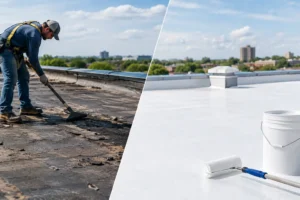
Silicone roof coating is a liquid-applied membrane installed over an existing roof surface. Once cured, it creates a continuous, flexible layer that helps protect the roof from standing water, UV exposure, cracking, and weather-related wear. It is commonly considered for low-slope residential roof areas, including garages, additions, porches, and sections with EPDM, modified bitumen, or certain other compatible roofing materials.
Because the coating is applied over the existing roof, there is usually less tear-off, less disruption around the property, and less material sent to the landfill. The surface is cleaned, damaged areas are repaired, seams and penetrations are reinforced as needed, and the coating is applied to the proper thickness.
The benefit is not simply a fresh white finish. A properly installed silicone system can seal minor surface defects, improve water resistance, and reduce heat absorption on roofs exposed to direct summer sun. For a roof that is aging but still structurally sound, that can buy valuable service life at a lower cost than replacement.
When Silicone Coating Is the Right Choice
Coating works best when the roof has a solid foundation. The existing membrane should still be generally intact, the roof deck should be dry and stable, and any leaks should be limited to repairable locations such as seams, flashing details, fasteners, or small punctures.
A good candidate may show surface aging, faded material, minor cracks, open seams, or occasional ponding water without major deterioration underneath. The roof may be near the later part of its expected life, but not at the point of complete failure. In that situation, a coating can serve as a practical restoration system rather than a temporary patch.
Silicone is especially useful where standing water is a recurring concern. Unlike some coating materials, silicone holds up well against prolonged moisture exposure when it is installed correctly. That matters on low-slope roofs where water does not always drain as quickly as it should.
The condition of the surface still matters. A coating cannot be applied over loose material, active contamination, trapped moisture, or poorly prepared roof sections. Proper cleaning, adhesion testing, detail repairs, and preparation are what turn a coating from a short-lived cosmetic fix into a dependable roofing system.
When Roof Replacement Is the Better Decision
Replacement becomes the safer choice when damage extends beyond the roof’s top layer. If moisture has reached the insulation or wood deck, coating over the surface can trap the underlying problem and allow deterioration to continue out of sight.
Warning signs include soft or spongy areas when the roof is walked, sagging sections, widespread blistering, recurring leaks in several locations, rotted decking, mold concerns, or insulation that has become saturated. A roof with extensive seam failure or multiple layers of old roofing may also need to be removed so the structure can be properly evaluated and rebuilt.
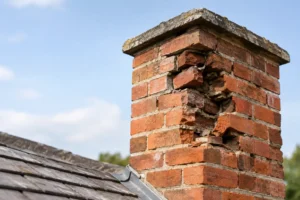
Replacement gives the contractor access to the entire roofing assembly. Damaged materials can be removed, the deck can be repaired, drainage concerns can be addressed, and a new system can be installed with properly detailed flashing around walls, vents, skylights, and chimneys. This is often the only responsible option when the roof is no longer protecting the home from water intrusion.
For homes with steep-slope shingle, slate, or tile roofs, silicone coating is generally not a substitute for a proper roof repair or replacement. These systems rely on overlapping materials and specific water-shedding details. Applying a coating where it does not belong can create drainage problems, interfere with future repairs, and leave homeowners with a false sense of security.
Silicone Roof Coating Versus Replacement: Cost and Value
A silicone coating usually has a lower upfront cost because the existing roof remains in place. There is less demolition, fewer disposal costs, and often a shorter installation timeline. For a sound low-slope roof, that makes coating an appealing way to manage the budget while still improving protection.
But the least expensive option is not always the most affordable over time. If a roof has wet insulation, damaged decking, or deep system failure, a coating may delay the necessary work without solving the source of the leak. Money spent coating a failing roof can become an added expense when replacement is eventually required.
Replacement costs more because it includes tear-off, material disposal, deck repairs when needed, new insulation or membrane components, and labor to rebuild the system. In exchange, it provides a new roofing assembly with a longer expected service life and the chance to correct hidden conditions that coatings cannot reach.
The best value comes from choosing the work that matches the roof’s actual condition. A coating is valuable when it restores a roof that still has life left. Replacement is valuable when it prevents ongoing water damage to framing, ceilings, insulation, electrical systems, and interior finishes.
How New Jersey Weather Affects the Decision
New Jersey roofs deal with hot sun, heavy rain, snow, freeze-thaw cycles, wind, and humid conditions. Those seasonal changes can turn a small split in a membrane or a failed flashing detail into a larger leak quickly. Ponding water can also put added stress on low-slope sections after storms.
A coating can help protect a properly prepared roof from those conditions, but it cannot correct poor drainage or structural sagging. If water repeatedly gathers in the same area, the roof may need repairs to the substrate, insulation, or drainage design before any coating is considered.
Winter also makes timing more important. Once water enters a roof assembly, freezing temperatures can widen cracks and loosen materials. Scheduling an inspection when leaks first appear gives homeowners more options than waiting until ceiling stains, peeling paint, or interior damage force an emergency decision.
What a Professional Roof Inspection Should Check
The decision should not be made from a photo or a quick look at the roof edge. A thorough inspection evaluates the membrane, seams, flashings, penetrations, drainage, roof edges, and visible signs of moisture damage. When conditions warrant it, the inspection should also look for soft decking, wet insulation, or concealed leaks around roof-to-wall transitions and chimneys.
An experienced contractor will explain whether repairs and silicone coating can reasonably extend the roof’s life, or whether replacement is the more reliable path. The estimate should clearly identify the work being recommended, the materials involved, and why that approach fits the condition of the roof.
Be cautious of anyone who recommends coating every roof without checking the surface and underlying structure. Coating is a skilled roofing application, not a universal answer to leaks. The roof must be compatible, dry, clean, and properly repaired before the coating can perform as intended.
Choose the Fix That Protects the Home
If your low-slope roof is weathered but stable, silicone coating may provide dependable protection without the cost and disruption of a full tear-off. If leaks are widespread or the roof has moisture below the surface, replacement may protect your home and budget far better in the long run.
The most helpful next step is a clear, honest roof evaluation before the next hard rain exposes a small issue as a larger repair. A qualified local roofing contractor can show you what is still worth saving and what needs to be rebuilt for lasting protection.