Key Highlights
Here are the key takeaways about knowing when you need a new roof in New Jersey:
- Recognizing warning signs like missing shingles or water stains early can prevent costly damage.
- New Jersey’s harsh weather, including winter storms and heavy rain, significantly shortens a roof’s lifespan.
- A roof over 20 years old is often a candidate for replacement, even without obvious issues.
- Interior signs like leaks, stains, or rising energy bills point to a failing roofing system.
- Regular inspections, both from the ground and in your attic, are crucial for spotting problems.
- Deciding between a roof repair and a full roof replacement depends on the age of your roof and the extent of the damage.
Introduction
Your roof is the most important defense your home has against the elements, especially with the tough weather we see in New Jersey. Knowing when to get a roof replacement is key to protecting your property. Many homeowners aren’t sure if a simple repair will suffice or if it’s time for a completely new roof. Ignoring the warning signs can lead to bigger, more expensive problems down the road. This guide will help you identify the 10 key indicators that it’s time to consider a new roof.
Key Warning Signs Your New Jersey Roof Needs Replacement
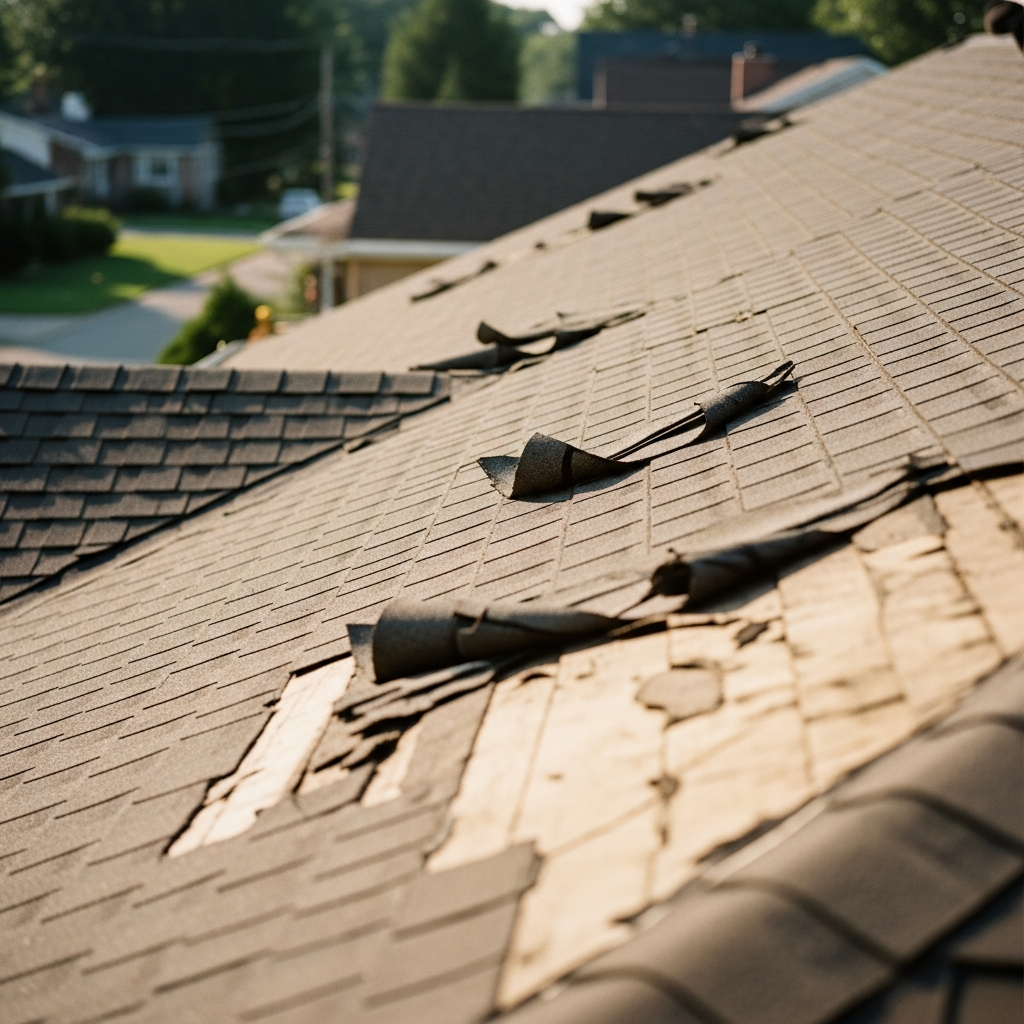
Spotting the early warning signs of a failing roof can save you from major headaches and expenses. An aging roof can lead to issues ranging from minor leaks to serious structural problems. If your roof is getting older, you might notice problems that go beyond what a simple roof repair can fix.
Understanding these signals is crucial for every New Jersey homeowner. Being proactive about a roof replacement protects your family, your belongings, and your home’s structure. Let’s look at some of the most common signs that indicate you need a new roof.
Missing, Curling, or Damaged Shingles
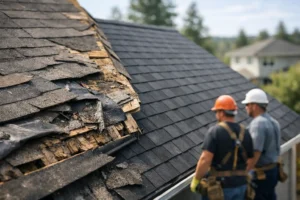
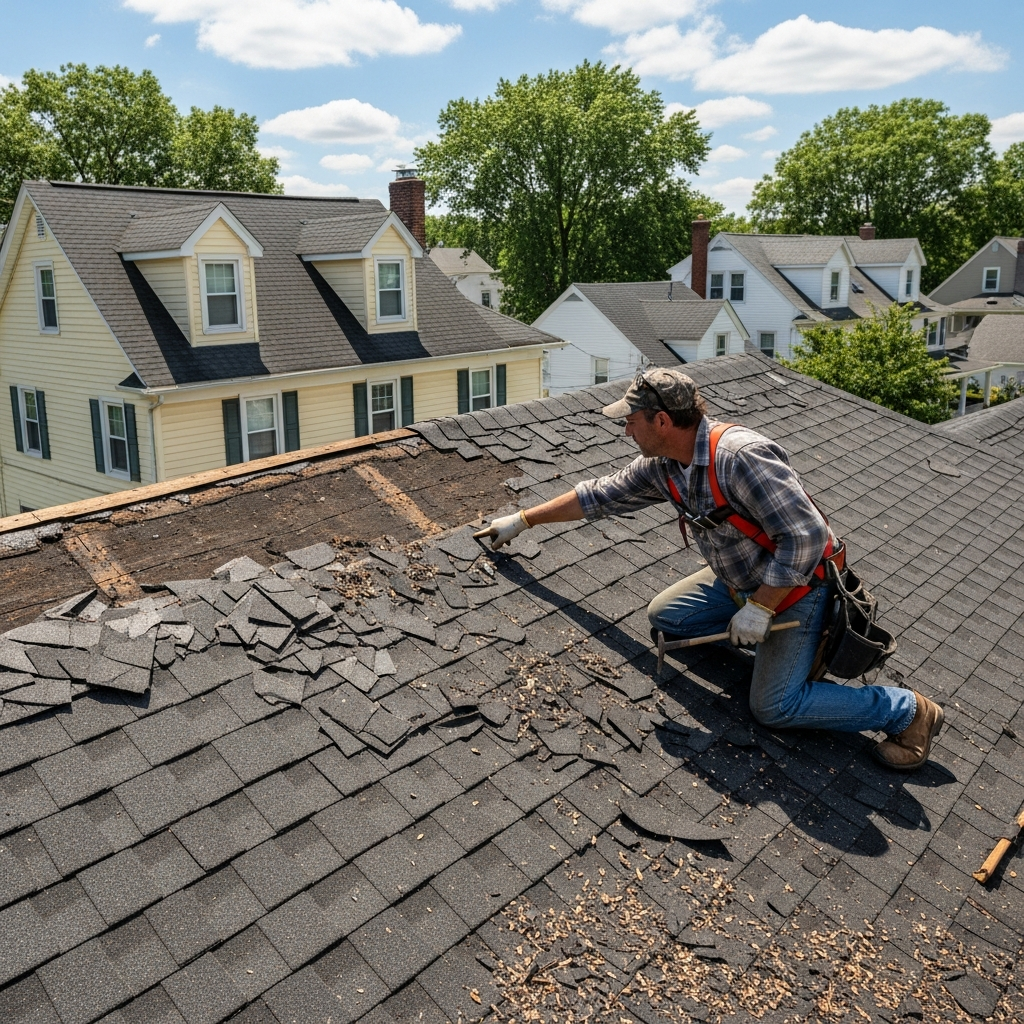
One of the most visible indicators that your roof needs attention is the condition of its shingles. When you look up at your roof, can you see shingles that are missing, cracked, or curling at the edges? These are clear signs that your roof’s first layer of defense is compromised. While replacing a few individual asphalt shingles is possible, widespread damage often points to the need for a full roof replacement.
Shingles in bad shape can no longer effectively protect your roof deck from moisture. This exposure can lead to more significant damage over time. If you see many shingles that are not in good condition, it’s a strong hint that the layers underneath might also be suffering.
Be on the lookout for these specific shingle issues:
- Curling or buckling shingles
- Cracked or broken shingles
- Large patches of missing shingles
- Significant granule loss in your gutters
Interior Leaks, Water Stains, or Discoloration
Have you noticed brownish or yellowish water stains on your ceilings or walls? These are undeniable signs that water is getting through your roof. Even small leaks can signal major problems with your roofing system. Ignoring them can lead to serious water damage, mold growth, and rotting wood, which might require a costly roof replacement.
It’s important to know that the stain you see might not be directly under the source of the leak. Water can travel along rafters and other structural elements before it finally drips down and becomes visible. This is why any interior staining should be investigated by a professional right away.
Discoloration on your ceiling is a serious warning. A prompt roof repair could fix a minor issue, but if the problem is widespread or recurring, it’s often a sign that your roof is failing and needs to be replaced to prevent further damage to your home’s interior.
Common Roof Issues in NJ Caused by Weather
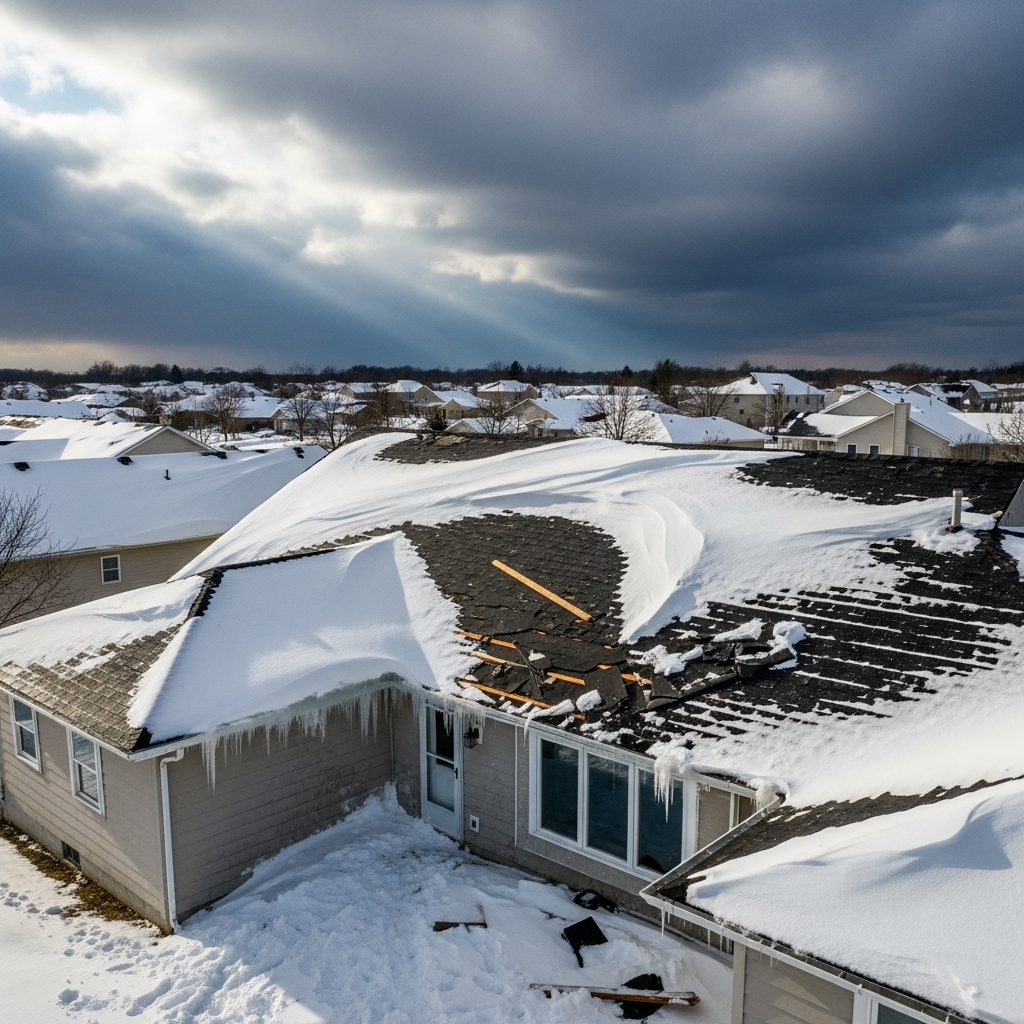
New Jersey’s climate presents unique challenges for roofs. From hot, humid summers to harsh, snowy winters, the weather can cause specific roof issues. These conditions can accelerate the wear and tear on roofing materials, leading to problems that homeowners must address promptly.
Issues like ice dams, moss growth, and algae growth are particularly common in our state. Rapid temperature changes and moisture can also lead to faster granule loss on asphalt shingles. Understanding these weather-related problems can help you know what to look for when inspecting your roof.
Impact of Harsh Winters and Storms
New Jersey is known for its harsh winters and powerful storms, which can wreak havoc on your roof. Heavy rain, high winds, and accumulating snow can cause significant damage over time. During winter, the cycle of freezing and thawing can lead to the formation of ice dams at the edge of your roof. These dams block water from draining properly, forcing it under your shingles and causing leaks and water damage.
Storms with high winds can lift and tear shingles off, leaving your roof’s underlayment exposed. Hail can crack the protective layers of your shingles, reducing their effectiveness. After any major storm, it’s always a good idea to check for this kind of damage.
If left unaddressed, this weather-related wear can lead to severe structural damage. What starts as a small leak can compromise the wooden decking and rafters of your roof, turning a simple repair into a much larger and more expensive project.
Moss, Algae, or Granule Loss
Have you noticed dark streaks or green, fuzzy patches on your roof? These are signs of algae and moss growth. While they might not seem urgent, they can cause long-term damage. Moss and algae trap moisture against your shingles, which speeds up their deterioration. Moss can even lift the edges of shingles, creating pathways for water to seep underneath.
Another common issue is granule loss. Asphalt shingles are coated with small granules that protect them from UV rays and the elements. You might find these granules collecting in your gutters or downspouts. While a small amount of shedding is normal, finding large amounts is a red flag.
It indicates your shingles are aging and losing their protective coating, making them vulnerable. Here’s what to look for:
- Dark streaks, which usually signal algae growth
- Green, thick moss, especially in shaded areas
- Excessive amounts of shingle granules in your gutters
- A “bald” appearance on your asphalt shingles
Beginner’s Guide: How to Decide If You Need a New Roof in NJ
Deciding between a roof repair and a full roof replacement can be tough. The choice often depends on the age of your roof, the extent of the damage, and your budget. If the damage is localized to a small area, a repair might be enough. However, if you’re seeing multiple warning signs across different parts of your roof, a new roof is likely the more sensible and cost-effective long-term solution. An aging roof with recurring problems will continue to need costly repairs, which can add up quickly.
Contacting professional roofers for an inspection is the best way to get a clear answer. An experienced NJ roofing contractor can assess the condition of your roof and give you an honest recommendation. They can identify underlying issues that you might not see from the ground, ensuring you make an informed decision. Investing in a new roof provides better protection and peace of mind for years to come.
What You’ll Need to Get Started (Inspection Tools, Checklist, and Resources)
Before you call in the professionals, you can perform a basic preliminary inspection yourself. You don’t need many specialized inspection tools, but having a few key items and a plan can help you spot obvious problems. A pair of binoculars is great for safely viewing your roof from the ground, while a good flashlight is essential for checking your attic.
Creating a simple checklist can help you stay organized. Note any signs of damage you find, like missing shingles or stains, and take photos to document them. This information will be very helpful when you speak with roofers.
Here are a few things to have ready for your initial check:
- Binoculars for a safe, close-up view from the ground
- A bright flashlight for inspecting the attic
- A camera or smartphone to take pictures of any damage
- A notebook to jot down your observations
After your own review, a professional roof inspection is the critical next step.
Step-by-Step Guide to Checking Your Roof’s Condition
Checking your roof’s condition doesn’t have to be complicated. By following a few simple steps, you can identify potential roof problems before they escalate. Your roof is your home’s first line of defense, so performing regular checks helps you catch warning signs early and keep it in good shape.
This guide will walk you through the key areas of your roof to examine. You’ll learn how to inspect the exterior for visible damage, check the attic for signs of moisture, and consider your roof’s age. These steps will give you a clearer picture of your roof’s health.
Step 1: Look for Visible Exterior Damage
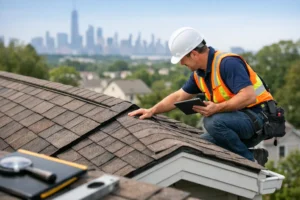
The first step in any roof inspection is to look for visible exterior damage from a safe vantage point on the ground. Use binoculars to get a closer look without having to climb onto the roof. Scan the entire surface for any obvious roof problems. Pay close attention to the shingles, as they are often the first to show signs of wear.
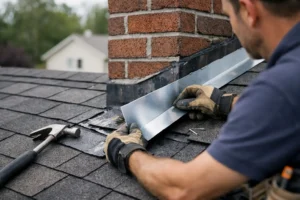
Look for missing shingles, as well as any that are cracked, curling, or buckling. Also, check your gutters and the area around your downspouts for an accumulation of black granules. This is a key warning sign that your shingles are deteriorating. Damaged or missing flashing around chimneys, vents, and skylights is another common source of leaks.
Catching these issues early is crucial. Widespread exterior damage is a strong indicator that simple repairs may not be enough, and a full roof replacement might be necessary to properly protect your home.
Step 2: Inspect the Attic for Signs of Moisture
After checking the exterior, your next stop should be the attic. This is where the earliest signs of roof leaks often appear. On a bright, sunny day, go into your attic and turn off the lights. Look up at the underside of the roof deck. Can you see any slivers of daylight coming through? If light can get in, so can water.
Next, use a flashlight to look for signs of moisture. Check for dark water stains, streaks, or discoloration on the wood. These are clear indicators of leaks. You should also be on the lookout for any signs of mold growth or mildew, which thrive in damp environments and can point to a long-term moisture problem.
Poor ventilation can also contribute to moisture buildup in the attic, which can damage the roof structure from the inside out. If you find any evidence of leaks or moisture, it’s a definite sign that your roof needs professional attention.
Step 3: Check Roof Age and Past Repairs
The age of your roof is one of the most important factors in deciding whether to repair or replace it. Most roofing materials have a predictable lifespan. If your roof is approaching the end of its expected service life, a replacement is often a wiser investment than continuing to pay for past repairs that only offer a temporary fix.
Asphalt shingle roofs, the most common type in New Jersey, typically last between 20 and 30 years. If your roof is over 20 years old, it’s wise to start planning for a replacement, even if there are no major visible issues. An older roof’s support system can weaken over time, making it more vulnerable to damage from storms and weather.
Knowing the likely time your roof has left can help you budget and plan accordingly. Here is a general guide to roof lifespans:
|
Roofing Material |
Average Lifespan in New Jersey |
|---|---|
|
Asphalt Shingle Roofs |
20–30 years |
|
Architectural Shingles |
30+ years |
|
Metal Roofing |
40–50+ years |
Conclusion
In conclusion, recognizing the signs that indicate your roof may need replacement is crucial for maintaining the safety and integrity of your home. From missing shingles to interior leaks, being proactive about these warning signs can save you time and money in the long run. New Jersey’s weather can take a toll on your roof, so regular inspections and understanding your roof’s lifespan are essential. If you suspect any issues or need guidance on the next steps, don’t hesitate to reach out to a professional. Your roof deserves the best care, ensuring a safe and comfortable environment for you and your family. For expert assistance, get in touch with us today!
Roof Lifespan Expectations in New Jersey
The lifespan of a roof in New Jersey depends heavily on the roofing materials used, the quality of the installation, and our state’s challenging weather. Asphalt shingle roofs, which are very common, generally last between 20 and 30 years. Higher-quality architectural shingles can last over 30 years, while metal roofs often have a life expectancy of 40 to 50 years or more. However, factors like heavy snow, ice dams, and coastal winds can shorten the life of your roof.
If your roof is approaching the 20-year mark, it’s a good idea to have it professionally inspected, even if you don’t see any obvious problems. Many older roofs are nearing the end of their lifespan and may no longer be providing adequate protection. Planning for a roof replacement before it fails is always a smart move for any homeowner.
Energy Efficiency and Impact of Roofing on Utility Bills
Did you know your roof plays a major role in your home’s energy efficiency? An old or damaged roof can cause your utility bills to climb. If your roofing system has poor ventilation or deteriorating insulation, it allows heated or cooled air from your HVAC system to escape. This forces your system to work harder to maintain a comfortable temperature indoors, leading to higher energy consumption.
A new roof can significantly improve this situation. Modern roofing materials and proper ventilation techniques help regulate your home’s temperature more effectively. By preventing air leaks and ensuring good airflow, a roof replacement can reduce the strain on your HVAC system, lower your energy bills, and improve overall comfort. If you’ve noticed a sudden increase in your energy costs, your aging roof might be the culprit.
Roof Repair vs. Roof Replacement – Making the Right Choice
Deciding between a roof repair and a roof replacement is a common dilemma for homeowners. A repair can be a good option if the damage is minor and isolated, such as a few missing shingles or a small leak around a vent. This approach is less expensive upfront and can extend the life of your current roof for a few more years.
However, if your roof is over 20 years old, has widespread damage, or has required multiple costly repairs recently, a full roof replacement is often the smarter long-term investment. Continuing to patch up an old roof can become a cycle of endless repairs that ultimately costs more than a replacement. A new roof provides comprehensive protection and prevents the risk of additional damage down the line.
What to Do After Identifying Roof Issues (Next Steps & Professional Help)
If you’ve identified any of the roof problems discussed in this guide, the next step is to contact a team of professional roofers. While a DIY inspection is a good start, only an expert can accurately assess the extent of the damage and recommend the best course of action. Look for a licensed and insured NJ roofing contractor with a proven track record in your area. Adore Construction offers Professional Chimney & Roofing Service in New Jersey.
Schedule a professional roof inspection as soon as possible. A qualified contractor will examine your entire roofing system, from the shingles and flashing to the underlayment and attic ventilation. They can provide a detailed assessment and a no-obligation estimate, helping you understand your options for repair or replacement. Don’t wait for significant damage to occur; taking action now will protect your home and give you peace of mind.
Frequently Asked Questions
How often should I inspect my roof in New Jersey?
It’s a good practice to perform a roof inspection at least twice a year, typically in the spring and fall. You should also check for roof problems after any major storm. Regular checks help you spot warning signs early and allow you to consult with roofers before issues become severe.
Can roof age alone mean it’s time for replacement?
Yes, age alone can be a key reason for a roof replacement. Most asphalt shingle roofs in New Jersey have a lifespan of 20-30 years. If your roof is approaching the end of its lifespan, it’s wise to plan for a replacement, as its materials are likely deteriorating even if damage isn’t visible.
What should I do if I find leaks or stains on my ceiling?
If you discover leaks or water stains, contact a professional for a roof inspection immediately. These are clear signs of water damage. A roofing expert can trace the source of the leak and determine if a simple roof repair is sufficient or if a larger problem exists.
How do I choose a reliable roofing contractor in NJ?
To find a reliable roofing contractor in New Jersey, look for licensed and insured roofers with positive local reviews. An experienced NJ roofing contractor will offer a professional roof inspection and provide a transparent, detailed estimate. Always choose a company with a strong reputation in your community.