Key Highlights
- The average roof replacement cost in New Jersey for 2026 ranges from $8,000 to $25,000, depending on various factors.
- Your final replacement cost is influenced by roof size, the roofing material you select, and current labor costs.
- In New Jersey, labor rates for a roof replacement are typically higher than the national average.
- Choosing the right roofing material, like asphalt shingles or metal, significantly impacts the total price.
- Hiring a licensed roofing contractor ensures your project meets local building codes and quality standards.
- Additional expenses for a roof replacement can include permits, inspections, and structural repairs.
Introduction
Planning a roof replacement for your New Jersey home is a significant investment. Whether your roof is aging, leaking, or has visible damage, understanding the potential roof replacement costs is crucial. This guide provides a detailed breakdown of 2026 pricing in New Jersey to help you budget effectively, choose the right materials, and select a trustworthy contractor. At Adore Construction, we believe in transparency, and this article will give you the clear information you need to make an informed decision for your home.
Quick Overview of Roof Replacement Costs in New Jersey (2026)
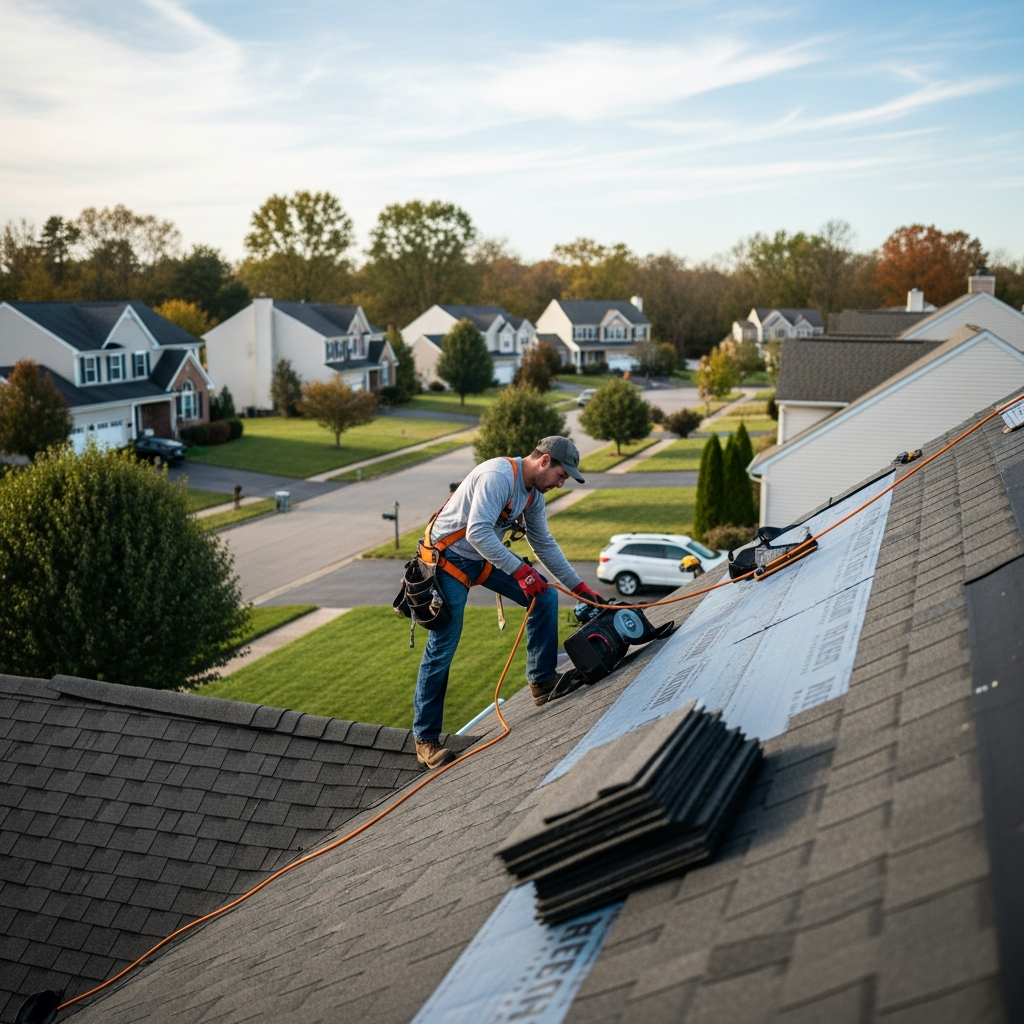
In 2026, the roof replacement costs for a typical home in New Jersey will range from approximately $8,000 to over $25,000. This wide price gap reflects differences in home size, the complexity of the job, and the specific roofing material you choose for your new roof.
For most homeowners, the average cost of roof replacement falls between $12,000 and $18,000. This estimate usually covers a standard-sized home using popular architectural shingles. Understanding these figures helps you set a realistic budget for your project.
Price Range for Typical NJ Homeowners
For most New Jersey homeowners, the cost of roof replacement can be broken down by home size. A smaller home will naturally have a lower total cost due to less material and labor required per square foot. The average cost increases with the size and complexity of your roof.
Knowing these ranges can help you prepare financially. For instance, a medium-sized home will have a different budget requirement than a large, multi-level property. The material choice also plays a huge role in the final price.
Here is a general price range based on home size for typical NJ homeowners:
- Small Home (1,000–1,500 sq ft): $6,500 – $12,000
- Medium Home (1,600–2,200 sq ft): $12,000 – $17,500
- Large Home (2,300–3,000 sq ft): $17,500 – $22,000+
What’s New With 2026 Roofing Costs?
As we look at 2026, roofing costs in New Jersey are influenced by a few key trends. After some volatility, material costs for a new roof have started to stabilize. This is good news for homeowners, as it makes budgeting for a replacement cost more predictable than in previous years.
However, one area seeing a consistent upward trend is labor. Demand for skilled roofing professionals remains high, particularly in northern New Jersey. This means labor rates are continuing to climb, impacting overall roofing costs across the state.
Here’s what to expect for 2026:
- Material Prices: Costs for roofing material have largely stabilized.
- Labor Rates: Expect labor costs to be higher due to strong demand.
- Overall Trend: Total project costs are slightly higher, driven primarily by labor.
Main Factors That Affect Roof Replacement Cost in New Jersey
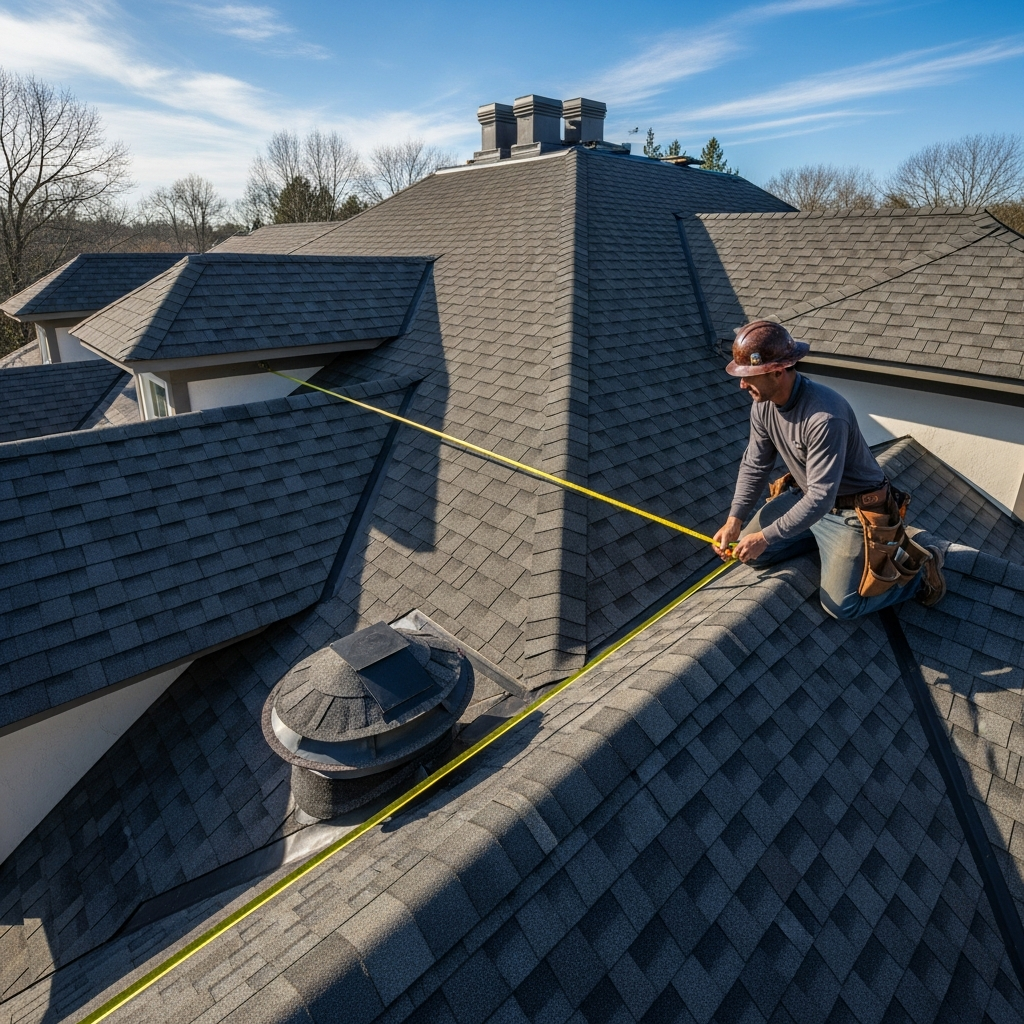
Several key elements determine the final replacement cost of your roof replacement project in New Jersey. The most significant factors include the roof size, the type of roofing material you select, and the local labor costs. A larger, more complex roof will always cost more than a small, simple one.
The price of materials can vary dramatically, from budget-friendly asphalt shingles to premium slate or metal. Understanding how these main factors interact will give you a clearer picture of your expected expenses. We will explore these pricing influences in more detail next.
Roof Size and Complexity
The size of your roof, measured in square feet (sq ft), is one of the most direct factors affecting your bill. A larger roof requires more materials and more labor hours to complete, which naturally increases the price. However, your home’s square footage is not the same as your roof’s square footage; overhangs and the roof’s slope add to the total area.
Complexity also plays a major role. Features like a steep roof pitch, multiple levels, dormers, and skylights make the installation more challenging and time-consuming. Steeper roofs often require additional safety equipment and specialized labor, adding 15-25% to labor costs.
A simple, single-level gable roof on a ranch-style home will be far less expensive to replace than a complex, multi-faceted roof on an older Victorian house. Each penetration, like a chimney or vent, also adds to the cost because it requires custom flashing work to prevent leaks.
Roofing Material Selection
Your choice of roofing material is the single biggest driver of your total project cost. Different materials come with vastly different price points, lifespans, and maintenance needs. While some options are budget-friendly, others represent a significant long-term investment.
For example, asphalt shingles are the most common and affordable option, making them a popular choice for many homeowners. On the other hand, premium materials come with a higher upfront cost but offer superior durability and aesthetic appeal.
Here are two popular categories:
- Economical Choices: Asphalt shingles offer a great balance of cost and performance.
- Premium Options: Materials like metal roofing, slate roofs, and tile roofing are more expensive but provide exceptional longevity and curb appeal.
Labor Costs in the Garden State
Labor costs make up a significant portion of your total roofing bill, often accounting for more than half the final price. In New Jersey, labor rates for roofers are generally higher than the national average. This is due to the state’s higher cost of living, strict building codes, and high demand for skilled labor.
You can expect to pay between $60 and $95 per hour for a qualified roofing contractor in the Garden State. These higher labor costs are particularly noticeable in northern New Jersey counties, which are closer to the New York City metropolitan area.
While it might be tempting to find a cheaper option, investing in a licensed and experienced roofing contractor ensures the job is done right. Quality installation is key to the longevity and performance of your new roof, making skilled labor a worthwhile expense.
Roof Replacement Cost by Roofing Material (2026)
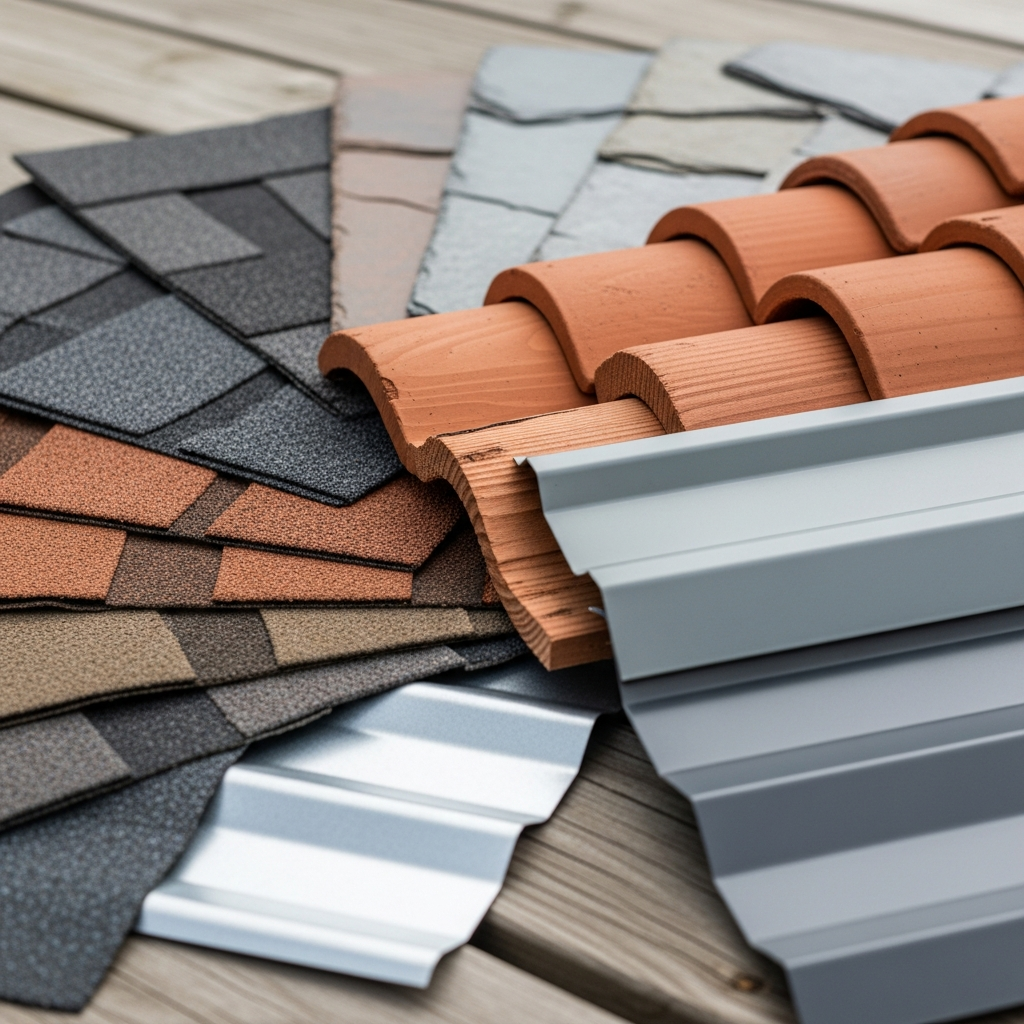
The roofing material you choose has the greatest impact on your total roof replacement costs. In New Jersey, options range from affordable asphalt shingles to high-end slate roofs, each with a different replacement cost and lifespan. Your decision will affect not only the upfront price but also the long-term value and durability of your roof.
Understanding the price points for different materials helps you balance your budget with your performance expectations. Let’s look at the costs associated with popular choices like asphalt shingles, metal roofing, and tile roofing.
Asphalt Shingles (Traditional & Architectural)
Asphalt shingles are the most popular roofing choice in New Jersey due to their affordability and reliability. An asphalt shingle roof provides a great balance of performance and value, making it an excellent option for budget-conscious homeowners. The replacement cost for this type of new roof is significantly lower than for premium materials.
There are two main types: traditional 3-tab shingles and architectural shingles. While 3-tab shingles are the most economical, architectural shingles are thicker, more durable, and offer a more dimensional look. They also come with a longer lifespan, providing better long-term value despite slightly higher material costs.
|
Shingle Type |
Estimated Cost (2,000 sq ft home) |
Lifespan |
|---|---|---|
|
3-Tab Asphalt Shingles |
$7,000 – $10,000 |
15–20 years |
|
Architectural Shingles |
$9,000 – $18,000 |
25–35 years |
Metal, Tile, Slate, and Cedar Options
For homeowners seeking superior durability and a high-end look, premium materials like metal, tile, slate, and cedar are excellent choices. While the initial replacement cost for these options is much higher, they offer exceptional longevity and can significantly enhance your home’s curb appeal. Metal roofing, for example, is known for its energy efficiency and long lifespan.
Slate roofs and tile roofing are prized for their beauty and can last for 50 to 100 years or more, though they are heavy and require structural support. Cedar roofing offers a natural, rustic aesthetic but requires more maintenance. These premium materials are a long-term investment in your property.
|
Premium Material |
Estimated Cost (2,000 sq ft home) |
Lifespan |
|---|---|---|
|
Metal Roofing |
$15,000 – $35,000 |
40–70 years |
|
Cedar Roofing |
$18,000 – $35,000 |
30–50 years |
|
Tile Roofing |
$16,000 – $44,000 |
40–70 years |
|
Slate Roofs |
$25,000 – $60,000+ |
50–100+ years |
Flat Roofing (EPDM, TPO, Other Systems)
Flat roofing systems are common on modern homes, additions, and commercial buildings in New Jersey. The most prevalent materials for these roofs are EPDM (a synthetic rubber) and TPO (a thermoplastic membrane). The replacement cost for flat roofing is generally comparable to or slightly higher than asphalt shingles, depending on the specific system.
EPDM is a durable and cost-effective roofing material known for its long lifespan. TPO is another popular choice, valued for its energy-efficient, reflective surface that can help reduce cooling costs in the summer. Both are excellent options for low-slope or flat roof structures.
Choosing the right type of roofing material for a flat roof is essential to prevent issues like water ponding. A professional installation ensures proper drainage and a watertight seal, protecting your home for decades. The estimated cost for a flat roofing replacement on a typical home ranges from $8,000 to $20,000.
Comparing Roofing Costs: New Jersey vs Other States
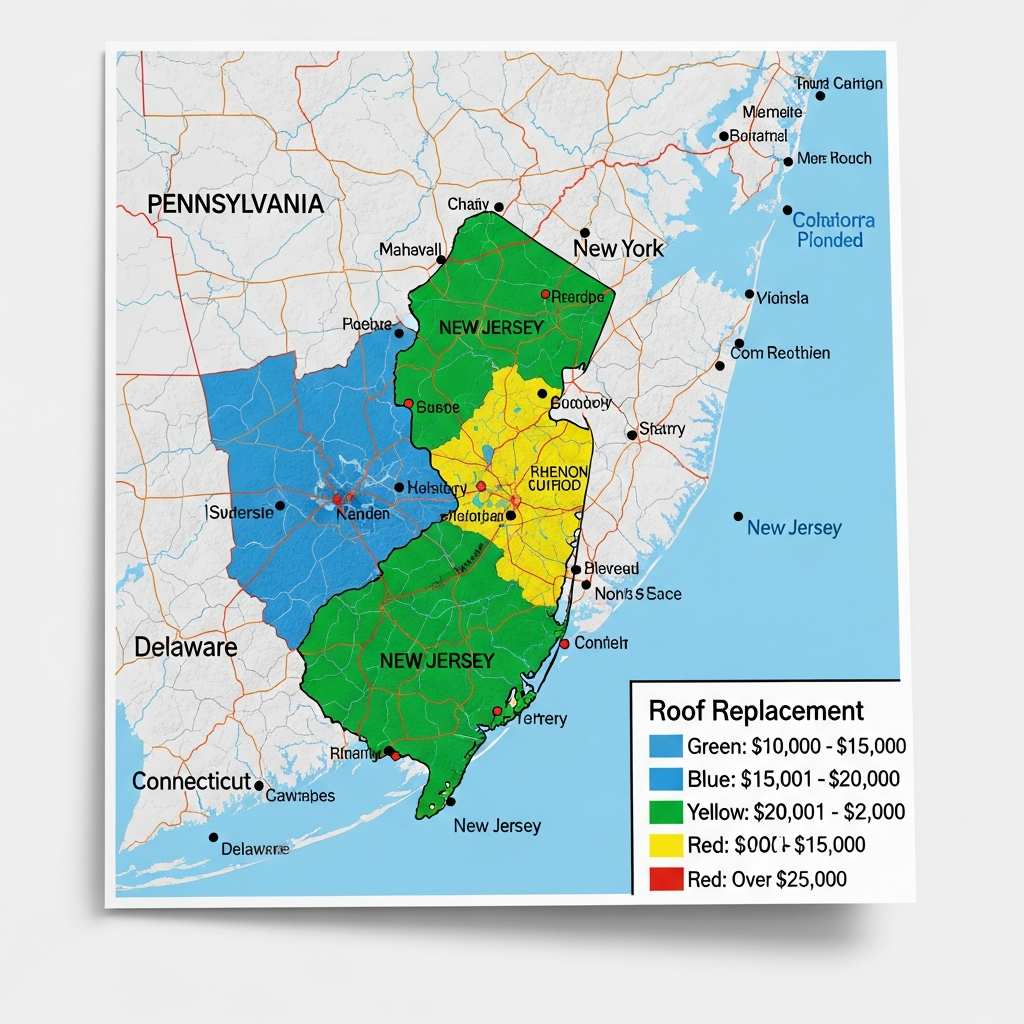
When budgeting for a roof replacement, it’s helpful to know how New Jersey’s prices stack up against other states. Generally, roof replacement costs in New Jersey are 10-20% higher than the national average. This increase is primarily driven by higher labor rates and stricter building regulations in the state.
The cost of living and strong demand for construction services contribute to this price difference. While the replacement cost may be higher, it reflects the standards required for quality and safety in the region. Next, we will examine the specifics of regional labor rates and other unique local factors.
Regional Labor Rate Differences
One of the main reasons roofing projects cost more in New Jersey is the difference in labor rates. Compared to the national average of $45-$70 per hour, roofers in New Jersey typically charge between $60 and $95 per hour. These higher labor costs directly translate to a more expensive final bill for homeowners.
The variation in labor rates is even noticeable within the state. For example, northern New Jersey counties like Bergen and Essex often have higher labor costs than southern or more rural areas. This is due to their proximity to the New York City metro area and a higher cost of living.
Key takeaways on labor include:
- Higher than Average: New Jersey’s labor rates are consistently above the national standard.
- Intra-State Variation: Costs can be higher in northern NJ compared to southern NJ.
Unique Aspects of Roofing in New Jersey
Roofing in New Jersey comes with a unique set of challenges and requirements that influence project costs. The state’s weather, with its mix of heavy rain, snow, high winds, and freeze-thaw cycles, demands durable materials and expert installation to ensure a long roof lifespan.
Furthermore, New Jersey has stringent building codes and permit requirements that a professional roofing contractor must follow. These regulations are in place to ensure the safety and integrity of your home but can add to the administrative time and cost of a project. A reputable contractor will handle all necessary permits as part of their service.
Unique factors to consider include:
- Challenging NJ Weather: The climate requires robust materials that can withstand diverse conditions.
- Strict Regulations: Compliance with local building codes and permit requirements is mandatory.
Roof Size and Its Effect on Pricing
The roof size is a primary driver of your final replacement cost. Roofers measure projects in “squares,” where one square equals 100 square feet. The more squares your roof has, the more you will pay for both materials and labor. It’s important to remember that your roof’s square footage is always greater than your home’s floor plan.
Factors like the roof’s pitch and overhangs increase the total surface area. Therefore, a 2,000 square foot home might have a roof that is 2,400 square feet or more. Let’s explore how different roof sizes impact the overall pricing.
Small, Medium, and Large Roof Scenarios
To better understand how roof size affects your replacement cost, it helps to look at typical scenarios. The overall square footage directly correlates with material needs and the number of hours required for labor. A small ranch-style home will have a much lower cost than a large, multi-story colonial.
Larger homes not only have more surface area but often feature more complex rooflines with valleys, dormers, and multiple pitches. These elements add to the labor intensity and drive up the price. As the home size increases, so does the investment required for a full replacement.
Here’s a breakdown of costs based on home size:
- Small Homes (1,000-1,500 sq ft): These projects have the lowest replacement cost due to less material and quicker installation.
- Medium Homes (1,600-2,200 sq ft): This range represents the average-sized project for many homeowners.
- Large Homes (2,300-3,000+ sq ft): These have the highest costs due to extensive square footage and often greater complexity.
Cost Per Square Foot Estimates
Breaking down the cost of roof replacement to a per-square-foot basis is a useful way to compare materials and estimates. In New Jersey, the average price per square foot can range from as low as $4.00 to over $20.00, depending heavily on your material choice.
For example, standard asphalt shingles fall on the lower end of this spectrum, typically costing between $4.00 and $7.00 per square foot installed. In contrast, premium materials like metal or slate can push the price to $10.00 to $20.00 or more per square foot.
While the cost per square foot provides a good baseline, remember that the total replacement cost will also include factors like tear-off, disposal, and permits. This metric is most helpful for understanding how different material options will affect your overall roof replacement costs.
Breakdown of Labor and Installation Fees in NJ

Labor and installation fees are a major component of your roofing budget, often making up over half of the total cost. In New Jersey, labor rates are influenced by high demand, the cost of living, and the skill required to meet state building codes. These installation fees cover everything from tearing off the old roof to installing the new system.
The scope of work for your project will also impact the final labor costs. A simple, straightforward job will be less expensive than one requiring complex flashing or structural repairs. Below, we’ll examine typical labor rates and how project details affect your fees.
Typical NJ Labor Rates for Roofers
In New Jersey, homeowners can expect to pay higher-than-average labor rates for a roof replacement. A qualified roofing contractor in the state typically charges between $60 and $95 per hour. These rates reflect the expertise needed to handle local weather conditions and adhere to strict construction standards.
These installation fees cover the entire process, including the tear-off of old materials, installation of underlayment and shingles, and cleanup. While some contractors may charge by the hour, most provide a flat-rate quote based on the project’s size and complexity.
While higher labor rates increase the overall cost, they also ensure you are hiring a skilled professional. Investing in an experienced roofing contractor is crucial for a durable, long-lasting roof that protects your home for years to come. At Adore Construction, we provide a Professional Chimney & Roofing Service in New Jersey.
Scope of Work and Impact on Final Cost
The detailed scope of work outlined in your contract has a direct impact on the final cost of your project. A basic replacement cost will include tearing off the old shingles, installing new underlayment, and putting on the new roofing material. However, many projects require additional roofing services.
For example, if the inspection reveals rotted decking, replacing those sections will add to the price. The number of roof penetrations, such as chimneys, skylights, and vents, also increases the scope of work, as each requires custom flashing to prevent leaks.
Ultimately, a more complex job demands more time, skill, and materials, which is reflected in the final cost. A clear and comprehensive scope of work from your contractor is essential for understanding all the charges and ensuring you receive quality work.
Additional Costs to Plan For
When planning a roof replacement, it is wise to budget for potential additional costs beyond materials and labor. Unforeseen expenses can arise once the old roof is removed, such as the discovery of water damage or rotted decking that needs repair. These issues are not visible during the initial roof inspection.
Other common additional costs include permit requirements, inspection fees, and charges for the removal and disposal of old materials. Being aware of these potential expenses will help you create a more accurate and comprehensive budget for your project.
Permit and Inspection Fees in New Jersey
In New Jersey, most full roof replacement projects require a building permit from your local municipality. These permit requirements are in place to ensure the work is done to code and meets safety standards. Permit costs can vary by town but typically range from $200 to $500.
Your contractor will usually handle the process of obtaining the permit as part of their service, but the fee will be included in your total project cost. After the work is completed, a final inspection may be required to close out the permit, which can also involve inspection fees.
Planning for these administrative costs is an important part of your budget.
- Permit Costs: Expect to pay between $200 and $500, depending on your township.
- Inspection Fees: Some municipalities charge for the final inspection to approve the work.
Structural Repairs and Unforeseen Expenses
One of the biggest sources of unforeseen expenses during a roof replacement is the discovery of hidden damage. Once the old shingles are removed, your contractor may find structural repairs are needed. This is common in older homes or roofs that have experienced long-term leaks or storm damage.
The most frequent issue is water damage to the underlying roof deck, which can cause the plywood to rot. Replacing damaged sheathing is essential for the integrity of your new roof and typically costs $75 to $120 per sheet.
While it’s impossible to know the extent of hidden damage beforehand, a good contractor will include a contingency clause in the estimate for potential repairs.
- Common Repairs: Rotted plywood or damaged rafters are the most common unforeseen expenses.
Roof Removal and Disposal Charges
A complete roof replacement involves tearing off and disposing of the old roof materials. These roof removal and disposal charges are a standard part of the overall replacement cost. The cost for this service typically runs between $1.00 and $2.00 per square foot.
The price can increase if there are multiple layers of old shingles to remove. New Jersey building codes allow a maximum of two layers, so if your home already has two, a full tear-off is mandatory. Removing a second layer can add $1,000 to $2,000 to the job.
Although an overlay (installing new shingles over the old ones) might seem cheaper, most professional contractors recommend a full tear-off. This allows for a thorough inspection of the roof deck and ensures your new roof is installed on a solid foundation, which is crucial for its long-term performance.
Seasonal Changes in Roof Replacement Pricing
Yes, the time of year you schedule your project can affect roof replacement costs in New Jersey. Prices tend to be highest during the peak season of summer and early fall when demand for roofers is at its peak. In contrast, you may find better pricing during the off-peak months.
The challenging New Jersey weather also plays a role, with early spring and late fall offering ideal conditions for installation. Understanding these seasonal fluctuations can help you time your replacement to get the best value. Let’s look at when to schedule for the best deal.
When to Schedule for Best Pricing
To get the best deal on your roof replacement, consider scheduling your project during the off-peak season. Late fall and winter are typically the slowest times for roofing contractors, and many offer discounts of 5-15% to keep their crews busy. This can translate into significant savings.
While the New Jersey weather can be a challenge in winter, experienced contractors can still perform a quality installation on dry days. The trade-off for lower prices is the potential for weather-related delays.
If you can plan ahead, aim for the shoulder seasons for a good balance of price and favorable weather.
- Best Deal: Schedule your project in late fall or winter for potential discounts.
- Good Balance: Early spring and fall offer a combination of moderate pricing and ideal installation weather, avoiding the peak season rush.
Off-Peak Versus Peak Season Costs
The difference in the cost of roof replacement between peak and off-peak seasons can be substantial. During the peak season, which runs from late spring through summer, high demand allows contractors to charge premium rates. You can also expect longer wait times to get your project on the schedule.
In contrast, the off-peak season of late fall and winter sees a drop in demand for roofing projects. To attract business, many contractors lower their prices. This can reduce your total replacement cost by several hundred or even thousands of dollars on a typical job.
Here’s a quick comparison:
- Peak Season (Summer): Highest prices and longest wait times.
- Off-Peak (Winter): Lowest prices and better availability, but with a risk of weather delays.
Are There Incentives or Rebates for Roof Replacement in NJ?
Yes, homeowners in New Jersey may be able to lower their roof replacement costs through various incentives and rebates. These programs are often tied to improving your home’s energy efficiency. By choosing specific “cool roof” materials or upgrading your insulation, you might qualify for federal tax credits or local utility rebates. These incentives are designed to encourage homeowners to make environmentally friendly choices that can also reduce their energy bills over time.
In addition to rebates, it’s worth exploring financing options to manage the upfront cost. Many roofing companies offer payment plans, and some government programs provide financial assistance for home improvements. Investigating these opportunities can make your roof replacement more affordable.
Energy Efficiency Rebates
One of the best ways to save on a roof replacement is by taking advantage of energy efficiency rebates. These programs reward homeowners for choosing a roofing material that helps reduce energy consumption. For example, installing a “cool roof” with highly reflective shingles or a light-colored metal roof can lower your home’s cooling costs.
These rebates are often available through federal tax credits or programs sponsored by local utility companies. The specific requirements can vary, so it’s important to check current guidelines to see if your planned new roof qualifies.
Upgrading your attic insulation at the same time as your roof replacement can also make you eligible for certain incentives. Improving energy efficiency not only saves you money on the project but also lowers your monthly utility bills for years to come.
Local and State Programs for Homeowners
Beyond federal incentives, New Jersey homeowners may find assistance through various local and state programs. Some municipalities or counties offer grants or low-interest loans for essential home repairs, including roof replacement. These programs are often targeted at low-to-moderate-income households, seniors, or veterans.
It is worth checking with your local housing authority or the New Jersey Department of Community Affairs to see if you qualify for any assistance. These state programs are designed to help residents maintain safe and healthy homes.
Additionally, don’t forget to ask your roofing contractor about financing options. Many companies partner with lenders to offer flexible payment plans that can make the cost of a new roof more manageable. Exploring all these avenues can help ease the financial burden of this important home improvement project.
Conclusion
In conclusion, understanding the costs associated with roof replacement in New Jersey is essential for homeowners planning to undertake this significant investment. With factors such as roofing materials, labor rates, and seasonal pricing variations playing a crucial role, being informed can lead to better decision-making and budgeting. Whether you’re considering traditional asphalt shingles or more modern materials, awareness of the comprehensive costs involved will help you prepare effectively. If you’re ready to take the next step, get quotes from local professionals to compare prices and services that align with your budget and needs. Your roof is a vital part of your home, and investing in quality work pays off in the long run.
Frequently Asked Questions
What is the average cost for a roof replacement in New Jersey in 2026?
The average cost for a roof replacement in New Jersey in 2026 is between $12,000 and $18,000 for a typical home. The final replacement cost depends on factors like roof size, material choice (costing $4 to $20+ per square foot), and project complexity.
Are labor costs for roof replacement higher in New Jersey compared to other states?
Yes, labor costs for roof replacement are higher in New Jersey compared to the national average. NJ labor rates typically range from $60 to $95 per hour, while the national average is $45 to $70 per hour. This increases the overall replacement cost in the state.
Are there any hidden fees I should expect when replacing a roof?
Yes, a roof replacement can have additional costs. These often include fees for permit requirements ($200-$500), costs for unforeseen structural repairs discovered after a roof inspection, and charges for disposing of old materials. It’s wise to budget for these potential expenses in your replacement cost.