If your roof is leaking, showing wear, or simply looking tired, the question usually gets serious fast: roof coating vs replacement. Homeowners want the same thing – stop water intrusion, avoid wasted money, and make the right call before a small issue turns into interior damage, mold, or structural repairs.
The hard part is that both options can be valid. A coating can extend the life of the right roof. A replacement can save you from pouring money into a system that is already failing. The best choice depends on what shape the roof is in today, not just which price looks better on paper.
Roof coating vs replacement: what is the difference?
A roof coating is a fluid-applied protective layer installed over an existing roofing surface. Its job is to seal, protect, and improve performance. On certain roofing systems, especially low-slope or flat roofs, coatings can help resist water, UV exposure, and weather-related wear.
A roof replacement is a full removal and installation of a new roofing system, or in some cases a tear-off down to the roof deck before rebuilding with new materials. Replacement addresses deeper problems that a surface treatment cannot fix, such as trapped moisture, structural deterioration, failing underlayment, widespread damage, or a roof that has simply reached the end of its service life.
That difference matters. A coating improves an existing roof that still has useful life left. A replacement starts over.
When a roof coating makes sense
A coating is often a smart option when the roof is still structurally sound but starting to show age. You may have minor surface wear, small areas of seam deterioration, or early signs of weathering, but not major saturation, widespread leaks, or damaged decking.
This is where coatings can offer real value. They can create a renewed protective surface, reduce sun-related wear, and delay the cost of a full replacement. For homeowners trying to manage budget while still protecting the house, that can be a practical middle ground.
Coatings are especially common on low-slope systems like EPDM, PVC, torch, and certain other flat or near-flat roofing assemblies. They are not a cure-all for every roof type, and they are not suitable when moisture is trapped beneath the membrane or when the roof has widespread failure.
If the roof is a good candidate, the benefits are straightforward. Installation is usually less disruptive than replacement. The cost is typically lower upfront. And if the roof has only surface-level aging, a coating can buy valuable time.
Still, buying time is the key phrase here. A coating extends service life. It does not reset the roof to brand-new condition.
Good signs your roof may be a coating candidate
The roof may be a fit for coating if leaks are limited and traceable, insulation is dry, the deck is solid, and the existing membrane is still attached and functioning. It also helps if the roof has been maintained over the years instead of neglected until problems stacked up.
An inspection matters here. What looks like simple wear from the ground can turn out to be deeper damage once a contractor gets on the roof.
When roof replacement is the better investment
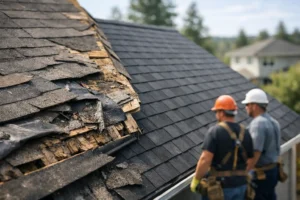
Replacement becomes the stronger option when the roof has moved past surface wear and into system failure. If water is getting in from multiple points, flashing is failing in several areas, the roof deck is soft, or large sections are saturated, coating over the problem is usually a short-term patch with long-term consequences.
Age also matters. An older roof that has already had several repairs may not be worth coating, especially if the repairs are becoming more frequent. At that stage, the lower price of a coating can be misleading because you may still end up replacing the roof sooner than expected.
Replacement is also the better move when storm damage is extensive or when the existing roofing material has lost its integrity. Curling, widespread cracking, membrane separation, recurring ponding issues, or interior leak patterns in multiple rooms are all signs that the roof needs more than a new top layer.
For many homeowners, replacement feels like the bigger expense because it is. But it can also be the more cost-effective decision over time when it solves the actual problem instead of covering it.
Signs replacement should not wait
If you are seeing repeat leaks after repairs, sagging areas, stained ceilings, mold smells in the attic, or visible deterioration around roof penetrations and edges, it is time to look seriously at replacement. The longer a failing roof stays in place, the greater the chance of damage to insulation, framing, drywall, and even masonry around chimneys and flashing points.
Cost matters, but value matters more
Most homeowners start with price, and that is reasonable. A coating usually costs less than a full replacement, sometimes significantly less depending on the roof size and system. But lower upfront cost does not always mean lower total cost.
If a coating adds years of life to a sound roof, that is money well spent. If it is applied to a roof that should have been replaced, it can become an added expense before the inevitable tear-off. That is the mistake homeowners want to avoid.
Think about value in terms of condition, expected lifespan, and risk. If the coating gives you a dependable extension with lower disruption, it may be the right move. If the roof is already causing interior damage or showing widespread failure, replacement usually delivers better long-term protection.
This is one reason honest inspections matter so much. A contractor should be able to explain not just what can be done, but what should be done.
Roof type changes the answer
Not every roof is treated the same way. Low-slope and flat roofing systems are often better candidates for coatings than steep-slope asphalt shingle roofs. A silicone coating, for example, may be a useful solution on certain flat roof systems where the substrate is still in serviceable condition.
On the other hand, if a steep-slope residential roof has failing shingles, underlayment problems, or decking issues, replacement is often the more realistic path. Surface products do not fix missing components or underlying deterioration.
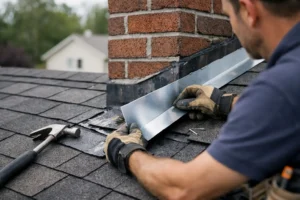
Details around chimneys, vent pipes, skylights, and flashing also play a role. These transition points are common leak sources. If the roof system is failing around them, the answer may involve more than treating the field of the roof.
For New Jersey homeowners, weather exposure adds another layer to the decision. Freeze-thaw cycles, wind-driven rain, snow load, and summer heat can speed up existing weaknesses. A roof that barely gets by in mild conditions may not hold up through another season of rough weather.
The inspection is where the real answer comes from
You cannot make a smart roof decision from the driveway. Discoloration, a ceiling stain, or a few visible cracks do not tell the full story. What matters is what is happening across seams, under the surface, around flashing, and in the substrate below.
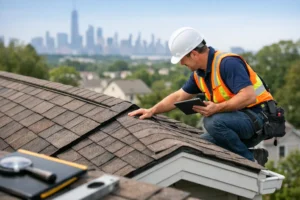
A proper inspection should look at the roof covering, flashing details, penetrations, drainage patterns, signs of trapped moisture, and any interior evidence of active or past leaks. That is how you separate a roof that can be restored from one that is already too far gone.
A dependable contractor should also be clear about trade-offs. If a coating is a shorter-term solution, you should hear that. If replacement is the safer investment because hidden moisture or age has pushed the roof beyond repair, that should be stated plainly too.
At Adore Construction, that practical approach matters because homeowners do not need guesswork. They need to know what protects the house now and what prevents another emergency later.
How to decide without second-guessing yourself
A good rule is simple: if the roof is fundamentally sound, coating may be worth considering. If the roof is failing as a system, replacement is usually the right call.
Ask yourself a few direct questions. Are leaks isolated or recurring in different spots? Has the roof been maintained, or has it been patched repeatedly? Is the goal to extend life responsibly, or are you trying to avoid replacing a roof that is already spent?
That is where roof coating vs replacement stops being a general roofing question and becomes a home protection decision. The right answer is the one that matches the actual condition of the roof, your budget, and how long you need the solution to last.
If you are unsure, that is normal. Roof problems are not always obvious until they become expensive. A careful inspection and a straight answer can save you from paying twice for the same problem. The best next step is the one that keeps your home dry, safe, and protected through the next storm and the ones after that.