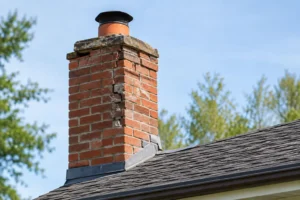
A chimney can look solid from the outside and still have a liner problem that puts your home at risk. We see it often – homeowners focus on the brick, cap, or flashing, while the part that handles heat, smoke, and corrosive gases gets overlooked. If you are wondering how to choose chimney liner products or materials for your home, the right answer depends on what you burn, what shape the flue is in, and how long you want the fix to last.
A liner is not just a sleeve inside the chimney. It helps move exhaust out of the house, protects nearby combustible materials from excessive heat, and shields the masonry from moisture and acidic byproducts. When the liner is damaged, missing, undersized, or the wrong material for the appliance, you can end up with poor draft, smoke backup, faster chimney deterioration, and a higher fire risk.
Why chimney liner choice matters
The liner has to match the job. A fireplace liner and a liner for a high-efficiency furnace are not always the same answer, even if they vent through the same chimney structure. Temperature, fuel type, moisture levels, and venting requirements all change what will work safely.
That is why choosing based on price alone usually backfires. A lower-cost liner may be fine in one setup and a bad investment in another. If it corrodes early, struggles to draft, or fails inspection, you are paying twice.
For many homeowners, the decision comes up after a chimney inspection, appliance change, or recurring performance issue. Maybe you are relining after tile damage. Maybe you switched from oil to gas. Maybe the chimney is older and no longer meets current venting needs. In each case, the best liner is the one that fits the appliance and the chimney together, not one or the other by itself.
How to choose chimney liner for your home
Start with the appliance, not the chimney. The fuel source and appliance type tell you what kind of venting conditions the liner must handle. Wood-burning systems produce high heat and creosote. Gas appliances can create cooler, wetter exhaust that leads to condensation. Oil exhaust has its own corrosive effects. One liner material does not perform the same way in all three situations.
Next, look at the chimney itself. The flue size, height, offsets, condition of the existing liner, and interior shape all affect what can be installed and how well it will perform. A straight masonry chimney gives you more options. A chimney with bends, damage, or a tight flue may limit what fits without major reconstruction.
Then think about lifespan and usage. If this is the main heating appliance and you expect years of regular use, durability matters more than getting the cheapest install. If you are correcting a serious draft or safety issue, you also want a solution that addresses the full system instead of just covering up damage.
The main chimney liner types
Most homeowners will hear about clay tile, metal, and cast-in-place liners. Each one has a place, and each comes with trade-offs.
Clay tile liners
Clay tile is common in older masonry chimneys. It can last a long time when properly built and maintained, especially with traditional open fireplaces. The issue is that clay does not handle sudden temperature change or chimney fire stress well. Once it cracks or gaps open at the joints, heat and gases can reach the masonry and surrounding framing.
Repairing isolated clay damage is sometimes possible, but full replacement is often more complicated. Clay tile also does not adapt well to certain modern appliance venting needs. If the flue size is wrong or the interior is damaged throughout, another liner system may make more sense.
Stainless steel liners
Stainless steel is one of the most common choices because it works in many residential applications and can often be installed without rebuilding the entire chimney. It is available in rigid and flexible forms, which helps when a chimney has offsets or irregularities.
For wood, gas, and oil appliances, stainless can be an excellent option when the grade is matched correctly to the fuel. It is also a strong choice when resizing a flue for a new insert, stove, or heating appliance. The quality of the metal matters. Not all stainless liners offer the same corrosion resistance, so this is one place where a bargain product can cost more later.
Cast-in-place liners
Cast-in-place systems are designed to create a new lining inside the existing chimney structure. They can improve structural stability while forming a properly sized vent path. These systems are often worth considering when the chimney is badly deteriorated or when you want a long-term solution that reinforces the masonry.
They usually cost more up front and are not necessary for every chimney. But in the right situation, especially with an aging chimney that has widespread interior damage, they can solve more than one problem at once.
Matching the liner to the fuel type
This is where many liner decisions are won or lost. If you use a wood-burning fireplace or stove, the liner needs to withstand high heat and the byproducts of creosote. Stainless steel liners are often selected here because they handle those conditions well and can be insulated for better performance.
If you have a gas appliance, cooler flue gases can create condensation inside an oversized or poorly matched chimney. That moisture is hard on masonry and can shorten liner life. Correct sizing becomes especially important, and the liner material needs to handle corrosive condensate.
Oil systems also demand a liner that can stand up to corrosive exhaust. In many homes, stainless steel is again a practical answer, but the exact grade and setup matter. This is why a one-size-fits-all recommendation is not reliable.
Size matters more than many homeowners expect
A liner should not be too large or too small for the appliance it serves. An oversized liner can weaken draft and encourage condensation. An undersized liner can restrict flow and create venting problems. Either way, performance and safety suffer.
This is one reason liner replacement often comes up during an appliance upgrade. When a homeowner replaces an old unit with a new insert, boiler, furnace, or stove, the original chimney flue may no longer be the right size. The chimney may still exist, but the venting path needs to be resized to work with the new equipment.
Proper sizing is based on the appliance specifications and the chimney configuration, not guesswork. A chimney that is too tall, too short, exterior-facing, or full of offsets can also affect draft. Those details matter when deciding between liner types and installation methods.
Insulated or non-insulated liner
Some liner systems need insulation to perform correctly and meet code requirements. Insulation helps maintain flue temperature, improves draft, and reduces condensation. It also adds a layer of protection between the hot liner and the surrounding chimney structure.
For wood-burning applications, insulation is often a very smart investment. It helps the system stay hotter and cleaner, which supports better venting and can reduce creosote buildup. In some chimneys, insulation is not optional if you want the installation done safely and correctly.
Signs your current liner may need replacement
If you notice smoky odors, poor draft, moisture issues around the chimney, or pieces of flue tile in the firebox, the liner deserves attention. White staining on exterior brick, damaged mortar joints, and repeated appliance venting issues can also point to liner trouble.
The most reliable answer comes from a professional inspection. Video scanning can reveal cracks, gaps, blockages, and deterioration that are impossible to confirm from the ground. For homeowners, this is usually the turning point between guessing and making a sound decision.
When the cheapest option is not the best option
We understand budget matters. Most homeowners are balancing chimney work with roofing, siding, or other maintenance needs. But the cheapest liner quote is not always pricing the same job. Material grade, insulation, sizing work, appliance connection, and warranty all affect value.
A lower quote may leave out important parts of the system or use a liner that is technically installable but not ideal for long-term performance. A fair estimate should explain what is being installed, why it fits your appliance, and what condition the chimney is in now.
A practical way to make the right choice
If you want to know how to choose chimney liner systems with confidence, start by asking three straightforward questions. What appliance is venting into the chimney, what condition is the existing flue in, and what liner material is best for that exact fuel and setup? Once those answers are clear, the decision gets much easier.
For many New Jersey homeowners, the best path is a professional inspection followed by a recommendation based on safety, code compliance, and expected service life. That keeps you from paying for a liner that looks fine on paper but performs poorly in the real world.
Your chimney does not need the fanciest solution. It needs the right one – sized correctly, installed correctly, and built to handle the way your home actually uses it. A good liner should give you confidence every time that system runs.