A damaged chimney is not just a curb-appeal problem. Loose brick, failed mortar, a leaning stack, or water entering through the top can put the structure of your home at risk. A qualified New Jersey chimney rebuild contractor should determine whether targeted repairs will protect the chimney or whether rebuilding the damaged section is the safer, longer-lasting answer.
For New Jersey homeowners, that decision matters because chimneys take a beating. Freeze-thaw cycles force water inside small mortar cracks, where it expands and breaks masonry apart. Heavy rain, wind, snow, and years of heat from the fireplace can all add to the damage. Waiting too long often turns a manageable project into a larger rebuild.
When a New Jersey Chimney Rebuild Is Needed
Not every cracked joint calls for a full rebuild. Repointing can restore sound brickwork when the damage is limited to the mortar joints. A new crown, cap, flashing repair, or waterproofing treatment may also solve a specific issue before it grows. But when the chimney itself has lost strength, surface repairs can only hide a deeper problem.
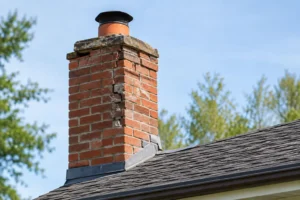
A rebuild is often recommended when masonry is visibly deteriorating, the stack is leaning, bricks are spalling or breaking apart, or the chimney has repeated leaks despite previous repairs. Damage above the roofline is especially common because that portion is exposed to the weather on every side. In some homes, the best solution is rebuilding from the roofline up. In more serious cases, the chimney may need to be rebuilt further down or replaced entirely.
Watch for these signs before the problem becomes an emergency:
- Bricks are cracked, flaking, loose, or falling onto the roof or ground.
- Mortar joints are deeply recessed, crumbling, or missing in multiple areas.
- The chimney leans, separates from the house, or shows a visible bulge.
- Water stains, dampness, or a musty odor appear near the fireplace, attic, or chimney breast.
- The crown is cracked, the flashing is failing, or the interior shows signs of ongoing moisture damage.
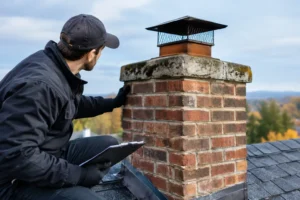
A chimney can look acceptable from ground level while its crown, flashing, and upper courses are failing. That is why a close inspection matters before anyone recommends a repair or rebuild.
What a Proper Chimney Rebuild Should Include
A chimney rebuild is not simply stacking new bricks where old ones were removed. The contractor needs to identify why the original masonry failed, then correct the conditions that could damage the replacement. If water got behind loose flashing, for example, rebuilding the brick without addressing the flashing leaves the home exposed to the same leak.
The work typically starts with a full assessment of the chimney structure, roof intersection, firebox and flue condition, and visible water damage. The damaged masonry is carefully removed to stable material. New masonry should be built with compatible materials and proper mortar joints, with attention to alignment, support, and the chimney’s connection to the roofline.
The top of the chimney deserves just as much attention as the brickwork. A properly formed crown directs water away from the masonry instead of allowing it to sit on top. A correctly fitted cap helps keep rain, animals, leaves, and debris out of the flue. Flashing must be integrated at the roofline to prevent water from slipping behind the chimney and into the home.
Depending on the chimney’s condition, the rebuild may also involve liner work, smoke chamber repair, waterproofing, or new flashing. These are not automatic add-ons. They should be recommended only when the inspection shows they are needed for safety, function, or long-term protection.
Choosing a New Jersey Chimney Rebuild Contractor
A chimney rebuild affects your home’s safety, weather resistance, and value. It is not the place to choose solely on the lowest number written on an estimate. A low price may leave out essential work, use unsuitable materials, or fail to address the actual source of the damage. The goal is fair pricing for a complete, clearly defined scope.
Start by looking for a locally established contractor that is fully insured and experienced with residential chimney masonry. Ask whether the company performs chimney work as a core service rather than treating it as an occasional add-on. Chimney rebuilding requires an understanding of masonry, roofing connections, water management, and fireplace safety.
A dependable contractor should inspect the chimney before pricing the work and explain the findings in plain language. You should know what portion of the chimney will be rebuilt, why rebuilding is necessary, what materials are planned, and whether related work such as crown replacement or flashing repair is included. Good communication matters because every chimney has different damage, access conditions, and repair needs.
It also helps to ask how the contractor will protect the roof, landscaping, and surrounding areas during demolition and construction. Masonry work creates debris, and a professional crew should have a clear plan for site protection and cleanup. Confirm who will handle permits if they are required for the project in your municipality.
The Difference Between Repair and Rebuild
Homeowners often hope that a quick repair will be enough, and sometimes it is. If the bricks remain solid and the damage is limited to failing mortar, repointing may extend the life of the chimney without the cost of a rebuild. If the main issue is a damaged crown or a missing cap, replacing those components can stop water from reaching otherwise healthy masonry.
A rebuild becomes the better value when the damage has spread through the brick courses or when the chimney’s stability is in question. Continuing to patch failing masonry can lead to repeated service calls and more water intrusion. It can also create a safety concern if bricks or sections of the stack become loose.
The right recommendation should be based on condition, not a one-size-fits-all sales pitch. A contractor who explains both options gives you a better basis for deciding how to protect your home and budget.
Questions to Ask Before Work Begins
Before approving a chimney rebuild, make sure the estimate answers the practical questions. Does it identify the damaged area and the intended repair method? Does it include demolition, debris removal, masonry materials, crown work, cap installation, flashing, and waterproofing where appropriate? If those items are not included, ask whether they are needed and what they would cost.
Ask about the expected schedule and how weather may affect the work. Masonry installation can be sensitive to severe cold, heavy rain, and other conditions, so a responsible contractor will plan around the forecast when necessary. You should also ask how the company handles unexpected findings, such as concealed damage at the roofline or a deteriorated flue liner.
Finally, ask about workmanship coverage and obtain the agreed scope in writing. A clear estimate protects both the homeowner and contractor by setting expectations before materials arrive and work starts.
Protecting the Rebuild After It Is Complete
A new chimney still needs maintenance. Annual chimney inspections can identify small crown cracks, deteriorating sealant, cap damage, or flashing problems early. If you use a wood-burning fireplace, regular sweeping and inspection are also essential for reducing fire risk and confirming the venting system is operating properly.
Waterproofing may be appropriate for sound masonry after repairs or rebuilding, but it should be breathable and applied to a dry, properly cured surface. Waterproofing is a protective measure, not a substitute for fixing cracks, failed mortar, or flashing leaks first.
At Adore Construction, the focus is on giving homeowners a clear answer and dependable workmanship, whether the chimney needs a focused repair or a complete rebuild. If your chimney is showing signs of structural wear, address it while the project is still planned work rather than an urgent safety problem.