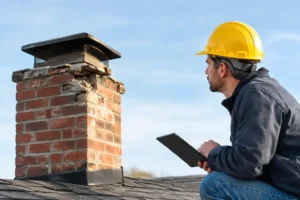
A brown water stain beside the chimney is rarely caused by one bad shingle. More often, rain is getting through the joint where the roof meets brick, siding, a wall, or another roof surface. The choice between metal flashing vs sealant matters because these materials do different jobs. One directs water away from a vulnerable joint; the other closes small gaps and supports the waterproofing system.
For New Jersey homeowners, that distinction can mean the difference between a lasting repair and a leak that returns after the next hard rain, freeze-thaw cycle, or windstorm. Sealant has a place in quality roof and chimney work, but it should not be used to hide failed flashing.
What Metal Flashing Is Designed to Do
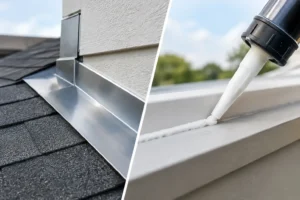
Metal flashing is a shaped piece of corrosion-resistant material installed at roof transitions. It is commonly made of aluminum, galvanized steel, copper, or lead-coated copper, depending on the roof system, budget, and application. Its job is to guide water onto the roof surface and into the gutter path before it can reach the wood framing, chimney structure, or interior of the home.
Around a chimney, flashing is not usually a single piece of metal. A properly built system may include step flashing along the sides, base flashing at the front, and a larger back section called a cricket or saddle where needed. Counterflashing is then set into the chimney mortar joints or attached in a way that covers the top edge of the base flashing. This layered approach uses gravity and overlap to move water outward.
That is why flashing is a long-term building component, not a cosmetic patch. When installed correctly, it continues to work even when it is wet, cold, hot, or exposed to wind-driven rain. It is also easier to inspect because the materials and water path are visible to a trained roofing or chimney professional.
What Sealant Can and Cannot Do
Roofing sealant is a flexible material used to seal a narrow opening, fastener head, lap, edge, or termination. Depending on the repair, a contractor may use high-quality polyurethane, silicone, butyl, or a compatible roofing sealant designed for the roof material. It can help prevent water from reaching a small exposed gap.
Sealant is useful when it supports sound flashing. For example, it may be applied at specific counterflashing joints, around approved fasteners, or at a small detail where the flashing system requires a weatherproof finish. On flat or low-slope roofing, the correct sealant can also be part of a manufacturer-approved repair method.
What sealant cannot do is replace missing metal, damaged step flashing, failed chimney counterflashing, or a poorly designed roof transition. A thick bead of caulk may stop a small drip temporarily, but it is exposed to sun, movement, standing water, and temperature changes. Over time, it can shrink, crack, separate, or lose adhesion. Once that happens, water often enters behind the patch where the damage is harder to see.
Metal Flashing vs Sealant: The Real Difference
The simplest way to compare metal flashing vs sealant is to think about water management. Flashing redirects water. Sealant closes a limited opening. A durable roof needs both functions in the right places, but metal is normally the primary defense at major intersections.
Flashing also handles movement differently. Chimneys, roofs, siding, and masonry do not expand and contract at the same rate. Metal flashing is installed with overlaps and details that allow the assembly to shed water while accommodating normal movement. Sealant stays flexible for a period of time, but it is still carrying more stress when it is asked to bridge a wide gap or hold together materials that should have been mechanically flashed.
The other difference is service life. Quality metal flashing can last for decades when it is correctly installed and maintained. Sealant life varies widely based on the product, exposure, application, and surface preparation. A sealant-only repair may be appropriate for a very minor issue, but homeowners should expect it to need closer monitoring and eventual renewal.
When a Sealant Repair May Be Enough
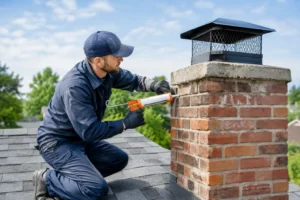
Not every leak calls for a flashing replacement. If an inspection finds that the metal is secure, properly overlapped, and free of corrosion or holes, a targeted sealant repair can be practical. This may include resealing a small separation at a flashing edge, addressing a worn fastener seal, or renewing sealant at a specific termination.
The key is proper diagnosis. Water can travel along roof decking, rafters, masonry, and flashing before it becomes visible inside. The stain on a ceiling may be several feet from the actual entry point. Applying sealant where the water appears is not the same as repairing where it enters.
A professional should also check whether the roofing material is near the end of its service life. Brittle shingles, lifted roofing edges, open mortar joints, a cracked chimney crown, or deteriorated brick can create symptoms that look like a flashing problem. Repairing one small spot without addressing the related damage can leave the home exposed.
Signs Your Flashing Needs Repair or Replacement
A flashing problem often shows up after storms, but the warning signs can develop slowly. Call for an inspection if you notice staining near a chimney or exterior wall, damp insulation in the attic, peeling paint near a roofline, or a musty odor in the upper level of the home.
Outside, look for loose or lifted metal, rust, visible gaps along the chimney, cracked roof cement, missing shingles near the flashing, or sealant that is heavily cracked and peeling. You may also see mortar deterioration where chimney counterflashing enters the brick joints. Do not climb onto a steep or wet roof to investigate. A fall risk is never worth a closer look.
Chimney leaks deserve prompt attention because water can damage more than the roof. Repeated moisture can weaken masonry, corrode metal components, rot roof framing, and create conditions for mold growth. If water reaches the chimney flue system or damages the liner area, it can also complicate safe fireplace or heating appliance use.
Why Caulking Over Bad Flashing Creates Bigger Repairs
Homeowners sometimes see roof cement or caulk spread heavily around a chimney and assume it was professionally waterproofed. In many cases, excessive sealant is a warning sign that a previous repair relied on patching instead of correcting the flashing detail.
A sealant-covered repair can trap water against metal and masonry. It may conceal rusted flashing, open joints, cracked mortar, or missing layers beneath the surface. When the patch finally fails, the repair can be more involved because the contractor must remove old material, evaluate hidden damage, and rebuild the connection correctly.
This does not mean every visible bead of sealant is wrong. Clean, limited sealant use is normal in many installations. The concern is when sealant is doing all the work at a roof-to-wall or chimney-to-roof intersection. Water should have a clear path out, not be held back by a thick layer of caulk.
Choosing the Right Repair for Your Roof and Chimney
The best repair starts with the roof type, chimney construction, age of the materials, and source of the leak. Asphalt shingle roofs typically use step flashing and counterflashing details. Slate and tile roofs need methods suited to their specific materials. Low-slope systems such as EPDM, PVC, silicone, and modified roofing require compatible flashing and sealant products to avoid adhesion failures or material damage.
Budget matters, but so does the cost of repeating a temporary repair. A small reseal may be the responsible choice when the flashing system is sound. If the metal is improperly installed, corroded, loose, or buried under failing patch material, replacement is usually the better value. A clear estimate should explain what has failed, what will be removed, how the new work will shed water, and whether related chimney masonry needs attention.
At Adore Construction, the goal of a flashing inspection is not to sell work that is unnecessary. It is to identify the actual entry point and recommend the repair that protects your roof, chimney, and home for the long haul.
A leak rarely improves on its own. If you are seeing stains, loose flashing, or repeated caulk patches around your chimney, schedule an inspection before the next storm turns a manageable repair into damaged framing and interior restoration.