A stain spreading across the ceiling near your fireplace is rarely just a roof problem. Water often enters through a cracked chimney crown, failed flashing, missing cap, or damaged masonry, then travels before it becomes visible indoors. Proper chimney leak restoration finds the actual entry point and fixes the components that allowed water in – not just the stain it left behind.
For New Jersey homeowners, this matters most after heavy rain, wind-driven storms, snow, and repeated freeze-thaw cycles. A small leak can turn into rotted roof decking, damaged insulation, weakened brickwork, mold growth, and costly interior repairs if it is allowed to continue.
Why Chimneys Develop Leaks
A chimney is exposed on every side. Its bricks, mortar joints, metal flashing, concrete crown, cap, and roof connection all have to work together in tough weather. When one part fails, water can find its way into the structure.
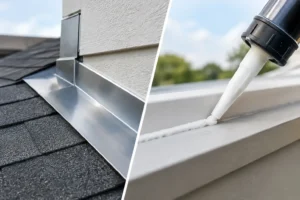
The most common source is flashing. Flashing is the metal installed where the chimney meets the roof. It should direct water around the chimney and onto the roof surface. If flashing pulls away, rusts, bends, or was installed incorrectly, rain can enter at that seam. Because the leak starts close to the roofline, homeowners may first notice it as a ceiling stain, wet attic insulation, or peeling paint.
A cracked crown is another frequent cause. The crown is the sloped concrete top that covers the chimney around the flue tile. Its job is to shed water away from the brick. Hairline cracks may not look serious, but winter moisture can enter them, freeze, expand, and break apart more of the crown each season.
Brick and mortar can also absorb water when they are worn or unprotected. Spalling brick, missing mortar, and open joints give moisture a path into the chimney. A missing or damaged chimney cap allows rain directly into the flue, which can affect the damper, liner, firebox, and surrounding masonry. Sometimes more than one condition is present, especially on an older chimney.
Signs You Need Chimney Leak Restoration
Not every chimney leak announces itself with dripping water. Many begin quietly and become visible only after repeated storms. Pay attention to changes around the fireplace, attic, chimney exterior, and upper floors of the home.
Musty odors near the fireplace, white powdery residue on brick, rust on the damper or firebox, loose wallpaper, bubbling paint, and stains on ceilings or walls can all point to moisture. Outside, look for cracked mortar, flaking brick faces, a broken crown, visible gaps around flashing, or a cap that is loose, rusted, or missing.
Water inside the firebox after rainfall is a clear warning sign, but it does not automatically identify the source. Rain may be entering through the cap, the crown, the flue area, masonry joints, or flashing. This is why a qualified inspection matters. Applying caulk to one visible crack may slow the leak, but it can also leave the true failure untouched.
Do not confuse condensation with a leak
Some fireplace moisture comes from condensation rather than direct rain intrusion. This can happen when warm indoor air meets a cold chimney or when a venting issue affects the flue. Condensation still deserves attention because it can lead to rust and masonry damage, but the repair approach may be different. An inspection separates a rain leak from a ventilation or moisture-control problem before money is spent on the wrong repair.
What a Proper Chimney Leak Repair Includes
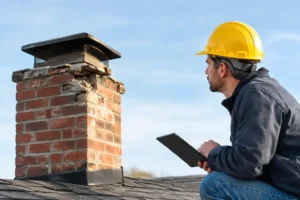
Reliable restoration begins with a complete assessment of the chimney and the roof area around it. A contractor should inspect the crown, cap, flue tile, mortar joints, brick condition, flashing, roof materials, attic area when accessible, and interior signs of water travel. Water does not always enter where the damage appears.
The repair itself depends on the cause. Failed flashing may require resealing, repair, or full replacement. If the roof shingles around the chimney are damaged, that roofing work should be addressed at the same time. A new flashing system installed over failing shingles will not provide a lasting result.
Cracked crowns may be sealed when the damage is minor, but crowns with major cracks, poor slope, or crumbling concrete often need replacement. A properly built crown extends beyond the brickwork and slopes outward so water runs away instead of soaking into the chimney.
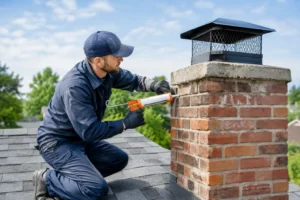
Damaged mortar joints may need tuckpointing, where deteriorated mortar is removed and replaced. Loose, cracked, or spalled bricks may need replacement. Once masonry repairs have cured, a breathable waterproofing treatment can help reduce water absorption while allowing moisture vapor inside the chimney to escape. This distinction is critical. Non-breathable coatings can trap moisture in masonry and cause additional damage over time.
A chimney cap is often one of the simplest and most worthwhile repairs. The right cap keeps out rain, snow, leaves, animals, and debris while allowing the chimney to vent properly. For chimneys with multiple flues or unusual dimensions, a custom cap may offer better coverage and durability than a basic store-bought unit.
Repair, Waterproofing, or Rebuilding: What Makes Sense?
Homeowners often ask whether waterproofing alone will stop a chimney leak. It can help, but it is not a substitute for repair. Waterproofing works best after cracks, failed joints, crown damage, and flashing problems have been corrected. Think of it as added protection for sound masonry, not a cover-up for active damage.
Targeted repairs are often the right choice when the chimney structure is stable and the damage is limited. Replacing flashing, rebuilding a crown, repointing mortar, and installing a cap can restore protection without rebuilding the entire chimney.
A partial rebuild may be necessary when the upper courses of brick are loose, deeply spalled, or structurally compromised. Full rebuilding becomes more likely when deterioration extends through much of the chimney, the chimney is leaning, or decades of water damage have weakened its integrity. The right recommendation should be based on condition, safety, and the expected service life of the repair – not a one-size-fits-all sales pitch.
Why Quick Patches Often Fail
Roof cement, caulk, and spray sealers can be tempting when water appears after a storm. They may provide a short-term barrier in limited situations, but they are not a dependable answer for failed flashing, broken crowns, or deteriorated masonry. Many patch materials crack under temperature changes, separate from wet surfaces, or trap water where it does not belong.
Another common mistake is repairing only the interior damage. Repainting a stained ceiling without stopping the exterior leak leaves the home vulnerable. The same is true of replacing wet drywall before checking insulation, roof decking, and framing for hidden moisture.
Experienced chimney work is about tracing the water path, correcting the failure, and restoring the exterior so it can withstand the next storm. That approach may take more care upfront, but it avoids repeated service calls and unnecessary interior repairs.
How to Protect Your Chimney After Restoration
After repairs are complete, regular maintenance helps preserve the work. Have the chimney inspected routinely, especially before fireplace season and after major storms. Keep an eye on the cap and crown from the ground, and address new stains, loose masonry, or flashing concerns early.
If your chimney shares an area with an aging roof, coordinate chimney and roofing repairs whenever possible. The roof-chimney connection is one of the most leak-prone parts of the home, and treating both systems as separate problems can lead to missed issues.
Avoid pressure washing chimney brick. High-pressure water can damage mortar, force moisture into masonry, and worsen weak areas. If the chimney needs cleaning or restoration, use methods appropriate for masonry and the condition of the surface.
Get the Leak Fixed at Its Source
A chimney leak does not improve with time. Even when the visible stain dries, moisture may still be reaching the attic, framing, masonry, or fireplace system during every rainfall. Prompt inspection gives you a clearer repair plan and helps prevent a manageable exterior fix from becoming a larger restoration project.
Adore Construction helps New Jersey homeowners identify chimney water intrusion, repair damaged components, and protect their homes with workmanship built for the weather. If you have seen stains, dampness, cracked masonry, or water near your fireplace, schedule an inspection before the next storm puts more water where it does not belong.