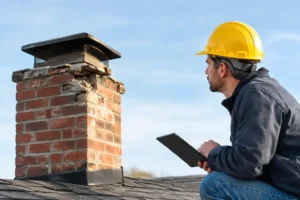
A chimney leak rarely stays a chimney leak. Water can move through cracked mortar, failed flashing, or a damaged crown and reach the attic, roof deck, ceilings, and framing below. That is why chimney repair versus replacement is not a decision to make based only on what the exterior bricks look like from the yard. The right answer depends on what is failing, how far the damage has spread, and whether a repair will truly protect your home for years to come.
For New Jersey homeowners, freeze-thaw weather, wind-driven rain, and aging masonry can turn a small issue into a larger structural concern. A professional inspection gives you a clear picture before you spend money on the wrong solution.
When Chimney Repair Is the Right Move
Repair is usually the smart, cost-conscious choice when the chimney’s structure remains sound and the damage is limited to specific components. A targeted repair preserves usable masonry while stopping water, smoke, or fire-safety problems at the source.
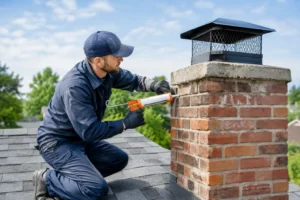
For example, deteriorated mortar joints do not always mean the whole chimney must come down. Tuckpointing or repointing can remove failed mortar and restore the joints between solid bricks. This helps keep water from entering the masonry and prevents loose sections from developing.
A cracked chimney crown is another common repair. The crown is the concrete top that sheds water away from the flue and brickwork. Small cracks may be repaired and sealed; more extensive crown damage may require a new crown while the chimney stack itself stays in place. A properly fitted chimney cap can also keep rain, leaves, animals, and debris out of the flue.
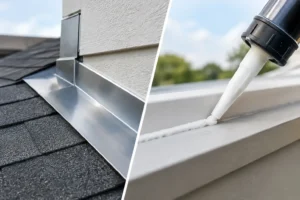
Flashing repairs are often needed when water appears near the chimney inside the home. Flashing is the metal transition where the roof meets the chimney. If it has lifted, rusted, cracked, or was installed improperly, water can enter even when the shingles and bricks appear fine. Repairing or replacing flashing can solve the leak without rebuilding masonry.
The same principle applies inside the flue. A damaged liner may be addressed with relining options such as stainless steel or Thermocrete lining, depending on the appliance, flue condition, and inspection findings. The goal is to restore a safe passage for smoke and combustion gases without replacing a chimney that is otherwise stable.
Signs a Repair May Be Enough
A repair is often appropriate when an inspection finds isolated damage rather than widespread failure. Homeowners should still act quickly when they notice warning signs, including:
- Cracked or missing mortar in a limited area of the chimney
- A damaged cap, crown, or flashing around an otherwise stable stack
- Minor water staining near the chimney after heavy rain
- A liner issue affecting draft or safety while the masonry remains structurally sound
These concerns are not harmless just because they are small. Water expands when it freezes, and a narrow crack can become a loose brick, a failing crown, or a roof leak after another season of weather. Timely repair is often what keeps an affordable project from becoming a major rebuild.
When Chimney Replacement Makes More Sense
Replacement becomes the safer long-term option when damage affects the chimney’s structural integrity or when repeated repairs would only postpone failure. This can mean a partial rebuild above the roofline, rebuilding the stack from the roof up, or replacing the entire chimney structure in severe cases.
Loose, spalling, or crumbling bricks are a serious concern. Spalling occurs when the face of the brick flakes or breaks away, usually after moisture has entered the masonry and freeze-thaw cycles take over. Once many bricks are deteriorating, replacing a few individual units may not correct the underlying issue. The remaining bricks may continue to fail.
A chimney that is leaning, separating from the house, or showing deep stair-step cracks needs prompt professional attention. These are potential structural warning signs, not cosmetic flaws. A compromised chimney can allow water into the home, create falling-brick hazards, and put stress on the roof where it passes through.
Replacement may also be the better value when prior repairs have not held. If mortar has been patched repeatedly, leaks continue to return, or the chimney has been coated with products that trap moisture inside the brick, another surface-level fix may not be responsible. A rebuild gives the contractor access to correct construction details, including proper flashing, crown slope, cap installation, and waterproofing.
Chimney Repair Versus Replacement: What Drives the Cost?
There is no honest one-price answer because chimney work depends on access, height, material condition, roof pitch, the extent of interior damage, and the type of repair required. A cap replacement and a full masonry rebuild are very different projects. The lowest estimate is not always the least expensive outcome if it leaves the source of the problem untreated.
Repair generally costs less upfront because it addresses a limited component. It is a good investment when the surrounding chimney is stable and the repair has a reasonable service life. Replacement costs more because it involves demolition, disposal, new materials, masonry labor, and often roof and flashing work. But when a chimney is structurally failing, replacement can prevent recurring repair bills and more costly damage to the roof or interior.
Ask for an estimate that explains what is being repaired or replaced, why that scope is recommended, and what conditions could affect the final work. A dependable contractor should be able to show you the damaged areas and explain the difference between a necessary repair and an optional improvement.
Why an Inspection Comes Before the Decision
Exterior appearance tells only part of the story. A proper chimney inspection should consider the masonry, mortar, crown, cap, flashing, roof connection, firebox, flue, and liner condition. If the chimney serves a fireplace, furnace, boiler, or wood stove, the inspection should also account for safe venting and signs of smoke or moisture problems.
A camera inspection can be especially helpful when liner damage is suspected. Cracks, gaps, flue tile deterioration, and obstructions may not be visible from the top or bottom of the chimney. Identifying those problems early helps prevent carbon monoxide risks, smoke backup, and heat transfer to nearby combustible materials.
Waterproofing may be recommended after qualified masonry repairs, but it is not a substitute for repairing cracks, failed mortar, or a damaged crown. The right breathable masonry treatment helps reduce water absorption while allowing trapped moisture to escape. Sealing over active damage can hide the symptom while the deterioration continues underneath.
How to Make a Confident Choice
Start with safety and structure, then consider cost. If the chimney is stable and the defect is isolated, a professional repair is often the practical choice. If the stack is loose, leaning, severely deteriorated, or repeatedly leaking after past fixes, replacement may protect your home and budget better over time.
Do not wait for bricks to fall or ceiling stains to spread before calling. Chimney problems tend to worsen quietly, especially through wet winters and freezing temperatures. A clear inspection and transparent estimate give you the facts needed to choose the work that fits your home, not just the quickest temporary fix.
Adore Construction can assess the condition of your chimney, explain the recommended scope in plain language, and help you protect your roof, masonry, and home with work built to last.