Water usually finds the weak spot first, and on many homes that weak spot is right behind the chimney. If you are looking into chimney cricket installation benefits, you are probably already dealing with stains on the ceiling, damp shingles, or flashing that keeps failing in the same area. A chimney cricket is a simple roof feature, but it solves a very specific problem that can lead to expensive damage when it is ignored.
What a chimney cricket actually does
A chimney cricket is a small peaked structure built on the high side of a chimney where it meets the roof. Its job is to split water and direct it around the chimney instead of letting rain and melting snow collect behind it.
Without a cricket, that back side of the chimney can act like a pocket. Water slows down there. Leaves and debris collect there. In winter, snow and ice sit there longer. Over time, that trapped moisture works against flashing, shingles, masonry joints, roof decking, and even the interior framing below.
That is why chimney cricket installation benefits go beyond one repair. This is not just about adding a piece of roofing. It is about correcting the drainage pattern around one of the most leak-prone parts of the roof.
The biggest chimney cricket installation benefits for homeowners
The clearest benefit is leak prevention. When water is pushed away from the chimney instead of held against it, the entire area performs better. Flashing lasts longer, shingles stay drier, and the chance of water working its way inside drops significantly.
Another major benefit is protection against wood rot and mold. A slow leak behind a chimney does not always announce itself right away. It can soak roof decking, rafters, insulation, and drywall long before you see a stain inside. By improving drainage at the source, a cricket helps reduce the kind of hidden moisture damage that turns a small roof issue into a larger repair.
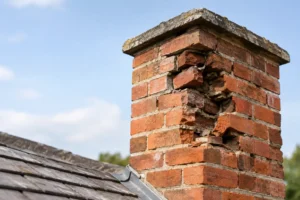
A cricket also helps preserve the chimney itself. Masonry does not do well with constant moisture exposure, especially through freeze-thaw cycles. Water can enter mortar joints and small cracks, then expand when temperatures drop. That can lead to spalling brick, deteriorated mortar, and a chimney structure that needs more than basic maintenance.
There is also a practical maintenance benefit. Roof valleys and transitions naturally collect debris, and the area behind a chimney is one of the worst spots for buildup. A properly built cricket keeps leaves, twigs, and sludge from piling up in one stagnant section. Less debris means better drainage and less wear on surrounding materials.
Why chimneys create roof leak problems
A chimney interrupts the slope of the roof. That interruption changes how water travels. Instead of moving cleanly downhill, runoff has to split and move around a vertical structure. If the area is flat enough or wide enough, water can pond behind the chimney.
This problem gets worse on larger chimneys. It also gets worse on roofs with lower slopes, aging flashing, or heavy tree debris. In New Jersey, where homes deal with hard rain, wind, snow, and repeated freeze-thaw weather, that backside chimney area takes a beating.
Homeowners sometimes replace flashing more than once and still have the same leak. That is because flashing alone may not fix poor drainage. If water keeps backing up behind the chimney, the system is still under stress. A cricket addresses the cause, not just the symptom.
When a chimney cricket makes the most sense
In many cases, a cricket is recommended when the chimney is wider than 30 inches on the uphill side. That is a common rule of thumb because wider chimneys create a bigger obstruction and hold more water behind them.
But size is not the only factor. A smaller chimney on a low-slope roof may still benefit from a cricket. So can a chimney that has a history of leaks, ice damming, or recurring flashing problems. If your roof has already been patched around the chimney and the issue keeps returning, it is worth looking at the drainage design itself.
Older homes are another common case. Many were built before current best practices became standard, or they have had multiple repairs layered over the years. If the chimney and roof connection has been altered several times, a properly installed cricket can bring that section back to a more reliable setup.
Chimney cricket installation benefits and flashing performance
One of the most overlooked parts of this upgrade is how much it helps the flashing do its job. Flashing is designed to seal transitions and move water out. It is not meant to hold back standing water day after day.
When a cricket is installed correctly, water pressure against the flashing is reduced because the runoff is redirected before it can pool. That means the metal flashing, counter flashing, and surrounding roofing materials are working in a more favorable condition.
This matters because many chimney leaks are blamed on flashing when the real issue is that too much water is sitting there for too long. Good drainage and good flashing need to work together. If one is missing, the whole area is more likely to fail.
Better protection in snow and ice season
Rain is not the only concern. Snow buildup behind a chimney can be just as damaging, especially when daytime melting and overnight freezing repeat for days. That cycle can push water into tiny gaps, widen cracks, and create ice buildup that lifts shingles or stresses the flashing.
A cricket helps reduce that problem by giving snowmelt a cleaner path off the roof. It does not eliminate every winter risk, but it improves the way water moves through one of the most vulnerable roof intersections.
For homeowners who have seen leaks show up after storms or during late winter thaws, this can be one of the most valuable long-term benefits.
It is not a one-size-fits-all detail
A chimney cricket needs to match the roof, the chimney size, and the existing roofing system. The pitch matters. The material matters. The way it ties into shingles, underlayment, and flashing matters. A poorly built cricket can still leak, and in some cases it can make drainage worse.
That is why installation quality is the real difference between a smart upgrade and another repair problem. The framing has to be solid, the slope has to be correct, and the roofing integration has to be tight. On masonry chimneys, the flashing details are especially important because the seal between the roof system and brickwork has to stand up to weather over time.
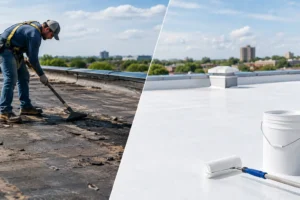
This is also where trade-offs come in. On some roofs, installing a cricket may involve removing and replacing a portion of the surrounding shingles or roofing membrane. If the roof is already near the end of its life, it may make sense to coordinate the work with a broader roof repair or replacement instead of treating it as a stand-alone patch.
What homeowners should expect during installation
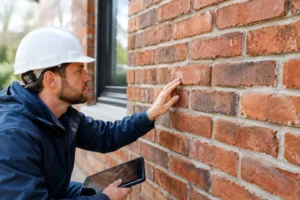
Most chimney cricket projects start with an inspection of the chimney, flashing, roof slope, and current signs of water damage. If the decking or framing behind the chimney has already been compromised, those materials may need to be repaired before the new cricket goes in.
The contractor then builds the cricket structure, integrates underlayment and flashing, and finishes the area with roofing material that matches the surrounding roof as closely as possible. On some homes, chimney masonry repairs may also be recommended if moisture has already damaged mortar joints or brick surfaces.
The goal is not just to add a raised section behind the chimney. The goal is to make that whole roof transition shed water the way it should have in the first place.
Is a chimney cricket worth it?
If your home has repeated leaks around the chimney, visible water wear behind it, or a chimney wide enough to trap runoff, a cricket is often well worth the investment. It protects some of the most expensive parts of the house to repair – the roof deck, framing, insulation, drywall, and chimney structure itself.
It is also one of those improvements that can prevent a chain reaction. A small drainage problem becomes a flashing problem. Then it becomes a leak. Then rot, mold, masonry damage, and interior repairs follow. Stopping that sequence early usually costs less than chasing it later.
For homeowners who want a practical upgrade instead of another short-term patch, this is one of the smarter corrections available. Companies like Adore Construction see this issue often because chimney and roof problems rarely stay isolated for long. When water gets behind a chimney, it tends to keep working until the area is rebuilt the right way.
If you are seeing signs of moisture near your chimney, the best next step is not to wait for the next storm to test it. A properly designed cricket can turn a chronic problem area into a protected one, and that kind of fix pays off quietly every time it rains.