A fireplace can look perfectly fine from the living room and still be building up a serious problem inside the flue. That is why homeowners often ask, is chimney sweeping really necessary, or is it just one more maintenance item people push out of habit? The honest answer is yes, it is necessary – but not always for the same reason in every home.
For some houses, chimney sweeping is mainly about fire prevention. For others, it is about fixing draft issues, reducing smoke backup, or catching damage before water and creosote turn a small problem into a costly repair. If you use your fireplace, wood stove, or insert with any regularity, sweeping is part of protecting the home, not an optional extra.
Why chimney sweeping still matters
When you burn wood, the fire produces smoke, gases, soot, and creosote. Some of that material rises out of the chimney as intended, but some of it sticks to the inner walls of the flue. Over time, that buildup thickens.
Creosote is the main concern. It is highly flammable, and when enough of it collects, it can ignite. Chimney fires are not always dramatic or obvious. Some sound like a roaring freight train, but others burn hot inside the flue without much warning until damage has already been done. Even a small chimney fire can crack flue liners, weaken masonry, and create a path for heat and gases to reach combustible parts of the home.
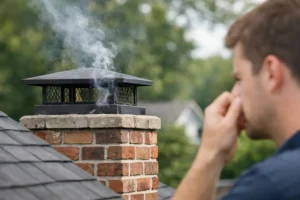
Sweeping removes that buildup before it becomes dangerous. It also clears soot, debris, and in some cases nesting materials that can block airflow. A blocked or narrowed flue does not just make the fireplace work poorly. It can push smoke, odors, and harmful gases back into the house.
Is chimney sweeping really necessary every year?
This is where the answer depends on how you use the system.
A chimney that vents a fireplace used several times a week during the heating season usually needs more attention than one attached to a fireplace used only a few times each winter. The type of fuel matters too. Burning unseasoned wood, for example, tends to create more creosote than burning properly seasoned hardwood.
Annual service is still the safest standard for most homeowners because it does two things at once. It gives the chimney a professional cleaning when needed, and it gives the system a regular inspection. Even if the buildup is lighter than expected, that visit can reveal cracked liners, damaged caps, deteriorating crowns, loose flashing, water entry, or early masonry wear.
That is why many homeowners who ask whether they can wait another year are really asking the wrong question. The better question is whether they know what is happening inside the chimney right now. Without an inspection, they usually do not.
What happens if you skip it?
The short answer is risk. The longer answer is that the risk can show up in different ways.
The first issue is chimney fire potential. Creosote does not need a huge spark to ignite when it has built up enough. The second is poor venting. If smoke is not moving out efficiently, it can spill into the room and leave behind odors, stains, and indoor air problems. The third is hidden deterioration. A chimney exposed to heat, moisture, freeze-thaw cycles, and combustion byproducts can start breaking down from the inside and outside at the same time.
Skipping sweeping also makes it harder to separate a maintenance issue from a repair issue. A homeowner may notice smoky fires, a strong odor, or bits of debris in the firebox and assume a cleaning will solve everything. In some cases it will. In others, those are signs of liner damage, cap failure, masonry decay, or water intrusion. Regular service helps catch the difference early.
Signs your chimney may need attention sooner
Some chimneys can wait for their scheduled annual visit. Others should be checked sooner. If you notice a strong campfire smell when the fireplace is not in use, black flaky or tar-like material in the firebox, smoke entering the room, poor draft, animal sounds, or visible debris falling down the flue, it is time to have it looked at.
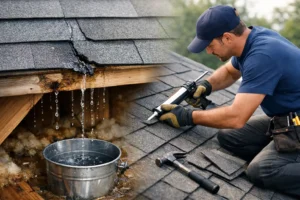
You should also pay attention after severe weather. In New Jersey, freeze-thaw cycles, wind, and heavy rain can be rough on chimney crowns, caps, flashing, and exterior masonry. Water gets into small openings, then makes those openings bigger. A chimney that needs sweeping may also need repairs, and one problem often helps reveal the other.
Sweeping is not just about cleanliness
Some homeowners picture chimney sweeping as basic housekeeping for the fireplace. That undersells what the service actually does.
A proper sweep is part of a larger safety check. It helps confirm that the venting path is open, the flue is not coated with dangerous deposits, and the system is not showing signs of damage that could affect performance or safety. In homes with wood-burning fireplaces, inserts, or stoves, it is preventive maintenance with real consequences.
That is also why the lowest-price approach is not always the smartest one. A quick pass with a brush is not the same as a careful service visit that pays attention to buildup levels, venting condition, visible defects, and the parts around the chimney that often fail first.
When a chimney needs more than sweeping
Sweeping handles buildup. It does not repair structural or moisture-related problems.
If the flue liner is cracked, if the crown is broken, if the cap is missing, or if the flashing is letting water in around the roofline, cleaning alone will not make the system safe. In fact, sweeping sometimes exposes issues that had been hidden by soot and residue. That is a good thing. It is much better to find those problems during maintenance than after a leak, smoke issue, or fire event.
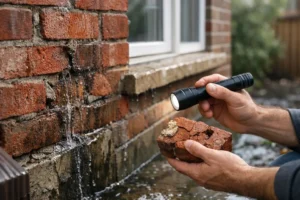
This is especially true with older masonry chimneys. Age, weather, and repeated heating and cooling cycles can wear down mortar joints, damage brick faces, and weaken the top of the chimney. Homeowners may think they are booking a routine cleaning and learn they also need waterproofing, crown repair, relining, or masonry work. That is not upselling when the issue is real. It is part of protecting the house from a larger failure.
Gas fireplaces are different, but not always off the hook
A lot of people assume gas means no sweeping. Sometimes the cleaning needs are lighter than with wood-burning systems, but that does not mean the chimney can be ignored.
Gas appliances can still vent through a flue that develops blockage, liner problems, or moisture damage. Birds and animals do not care what fuel you use. Neither does rainwater. If a gas fireplace or gas appliance vents through a chimney, inspection still matters. The maintenance schedule may differ, but the need for professional evaluation does not disappear.
The cost of service versus the cost of waiting
Most homeowners are trying to make practical decisions, not collect maintenance appointments for fun. That is fair. But chimney sweeping is one of those services that usually costs far less than the problems it helps prevent.
A routine sweep and inspection is small compared to the expense of liner replacement after a chimney fire, interior cleanup after smoke backup, or masonry repairs caused by long-term water entry. It is also less stressful than dealing with a preventable safety issue in the middle of the heating season when you actually need the fireplace working properly.
The value is not just in removing soot. It is in reducing the chances of surprise damage, unsafe operation, and emergency calls.
So, is chimney sweeping really necessary?
If you use your fireplace or stove, yes. Not because every chimney is on the verge of disaster, but because fireplaces create residue, chimneys age, and hidden problems stay hidden until someone checks for them. Sweeping is one of the simplest ways to lower fire risk, improve performance, and catch repairs before they become major.
For some homes, the need is urgent. For others, it is routine. Either way, it is real maintenance with a real purpose. A clean, inspected chimney gives you a better shot at safe fires, better draft, and fewer expensive surprises when the weather turns cold.
If you are not sure when your chimney was last cleaned or whether it is due now, that uncertainty is usually your answer. Getting it checked is a straightforward step that protects the home, the people in it, and the parts of the house you cannot afford to gamble with.