A scratching sound above the fireplace is easy to ignore until it becomes a bigger problem. Birds, squirrels, raccoons, bats, and even chimney swifts can enter an uncapped or damaged chimney looking for warmth, shelter, or a place to nest. Knowing how to prevent chimney animal entry protects more than your peace and quiet. It helps prevent flue blockages, odors, fire hazards, indoor smoke, and damage to the chimney itself.
The right solution is not simply covering every opening you see. A chimney must still vent smoke, gases, and moisture safely. The goal is to keep animals out while allowing your fireplace, furnace, water heater, or other connected appliance to operate as designed.
Start With the Right Chimney Cap
A professionally fitted chimney cap is the most reliable first line of defense. Installed at the top of the flue, a quality cap uses a metal mesh screen to keep animals out while leaving the flue open for proper draft. It also helps stop rain, snow, leaves, and other debris from falling into the chimney.
Not all caps are the same. A cap that is too small, loosely attached, rusted through, or fitted with overly fine mesh can create problems of its own. Tight mesh may clog with soot, ice, or debris. A poorly fitted cap can blow off in high winds or leave enough of a gap for smaller animals to enter.
For most New Jersey homes, a stainless steel or heavy-gauge copper cap is a smart long-term choice. Stainless steel is durable, weather-resistant, and often the most practical option for homeowners who want dependable protection without paying for a decorative upgrade. The best cap depends on the chimney’s flue size, number of flues, fuel type, and overall chimney design.
If your home has a multi-flue chimney, each opening needs protection. One uncovered flue is enough to invite animals into the system.
Inspect the Crown, Mortar, and Flashing
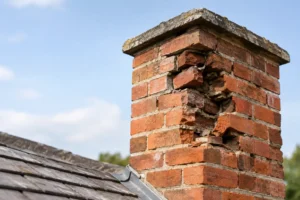
Animals do not always enter through the top of the flue. A cracked chimney crown, missing mortar joint, loose brick, or damaged flashing can create openings around the chimney structure. Squirrels and birds are particularly good at finding small gaps that homeowners may not notice from the ground.
The chimney crown is the concrete or masonry surface at the top of the stack that directs water away from the flue. When it cracks, water can work its way into the chimney and weaken surrounding materials. Over time, that deterioration may create access points for pests while also increasing the risk of leaks and freeze-thaw damage.
Pay attention to these warning signs:
- Pieces of mortar or brick around the fireplace, roof, or yard
- Water stains near the chimney breast or ceiling
- Rust on the damper or firebox components
- A cap that appears crooked, loose, or missing
- Nesting material, feathers, droppings, or unusual odors
- Scratching, chirping, fluttering, or movement inside the chimney
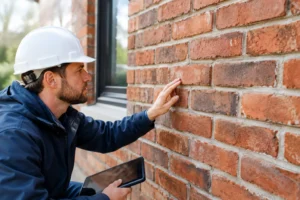
A chimney inspection can identify whether the problem is limited to a missing cap or whether repairs to the crown, masonry, flue tile, or flashing are needed. Addressing the structural issue matters. Otherwise, animals may find another route in after the cap is installed.
Do Not Seal a Chimney Before Checking What Is Inside
One of the biggest mistakes homeowners make is sealing an opening as soon as they suspect an animal is inside. Blocking an active animal in the chimney can lead to odors, insects, damage, and a distressed animal finding its way into the living space. It can also leave nesting material behind that blocks the flue.
Before any cap, screen, or repair is installed, the chimney should be inspected to confirm it is clear. A qualified chimney professional can check the flue and smoke chamber for nests, debris, damaged liners, and signs of animal activity. If removal is necessary, it should be handled safely and in accordance with local wildlife requirements.
Bats require special care. They can enter through surprisingly small gaps, and certain seasons may involve restrictions intended to protect maternity colonies. Chimney swifts are also protected migratory birds. If swifts are actively nesting in a chimney, the opening should not be capped until they have left for the season. A professional can help you choose the right timing without putting your home or wildlife at unnecessary risk.
Never light a fire to force an animal out. Smoke and heat can injure the animal, but they can also ignite dry nesting material or push frightened animals further into the home.
Keep the Damper Closed When the Fireplace Is Not in Use
A closed damper does not replace a chimney cap, but it provides a useful second barrier between the chimney and your home. If an animal enters the flue, a properly functioning damper can reduce the chance of it getting into the firebox or living area.
Check that your damper opens and closes fully. If it is warped, rusted, or difficult to move, do not force it. Damper trouble can be a sign of moisture intrusion, soot buildup, or damage within the chimney. It can also affect fireplace performance when you do need to use it.
Keep fireplace doors closed as well, especially if you hear activity in the chimney. This does not solve the entry issue, but it gives you a safer boundary until the chimney can be inspected.
Remove Conditions That Attract Animals
A chimney cap is the primary barrier, but the area around the chimney also matters. Tree limbs that hang near the roofline can give squirrels, raccoons, and other animals a direct route to the chimney top. Trimming branches back reduces access and helps protect the roof from rubbing limbs during storms.
Keep gutters clean and roof debris under control. Wet leaves, standing water, and clogged gutters can contribute to rot and deterioration around roof penetrations, including the chimney. Animals are more likely to investigate a damaged exterior where they can find shelter or nesting materials.
If birds repeatedly gather around the chimney, avoid using adhesives, poison, or makeshift spikes near the flue opening. These methods can harm wildlife, create a maintenance problem, and interfere with safe chimney operation. A properly designed cap and sound masonry repairs are the better answer.
Why Annual Chimney Service Helps Prevent Animal Entry
Many chimney problems start small. A cap loosens after a storm, a crown develops a hairline crack, or mortar begins to wear away after years of winter weather. By the time an animal gets inside, the issue may have been present for months.
Annual chimney service gives a professional the chance to inspect the cap, screen, crown, flashing, masonry, and flue condition before a minor defect becomes an expensive repair. It also helps ensure the chimney is clean and clear before fireplace season. If your chimney serves a gas appliance rather than a wood-burning fireplace, inspections still matter because blocked venting can create serious safety concerns.
New Jersey weather puts chimneys through a demanding cycle of rain, snow, wind, heat, and freezing temperatures. Water enters small cracks, freezes, expands, and gradually breaks down masonry. Preventive maintenance is usually less disruptive and more affordable than waiting for loose bricks, interior water damage, or a blocked flue to force immediate repairs.
When to Call for Professional Help
Call for an inspection if you see a missing cap, hear animals in the chimney, find nesting material in the fireplace, notice smoke backing into the room, or smell a strong odor near the hearth. These are not problems to put off until the next time you plan to use the fireplace.
Adore Construction can inspect the chimney system, identify entry points, remove the conditions that allow animals inside, and recommend repairs that support safe operation. The right fix may be as straightforward as installing a properly sized cap, or it may include crown repair, masonry work, waterproofing, or flashing service.
Your chimney should be a protected part of the home, not an open invitation for wildlife. A clear flue, secure cap, and well-maintained exterior let you enjoy the warmth of your fireplace with fewer surprises overhead.