A small chimney problem rarely stays small for long. A loose brick, a cracked crown, or damaged flashing can start as a minor repair and turn into water damage, smoke issues, or costly structural work. That is why homeowners looking for affordable chimney repair options usually are not just trying to save money – they are trying to avoid a much bigger bill later.
The good news is that not every chimney issue calls for a full rebuild. In many cases, targeted repairs can restore safety and performance without pushing the cost out of reach. The key is knowing which repair makes sense, what can wait, and where cutting corners will only create more expense down the road.
Affordable chimney repair options homeowners should know
The most affordable repair is often the one that stops damage early. If water is getting into the chimney system, the problem tends to spread fast. Mortar starts breaking down, bricks absorb moisture, metal components rust, and freeze-thaw cycles make everything worse. A simple fix completed at the right time is usually far less expensive than repairing widespread damage later.
One common low-cost option is tuckpointing. If the mortar joints between bricks are cracking or wearing away but the bricks themselves are still in decent shape, replacing the failing mortar can strengthen the chimney and keep moisture out. This is much more budget-friendly than rebuilding large sections of masonry, and it helps extend the life of the structure.
Crown repair is another smart place to save. The chimney crown is the concrete top that sheds water away from the flue and masonry. Small cracks in the crown can often be sealed or resurfaced before they grow into major openings. Once water gets through the crown, interior damage tends to follow. Catching it early keeps the repair focused and affordable.
Flashing repair also belongs high on the list. Flashing seals the area where the chimney meets the roof. When it pulls away, rusts, or was installed poorly in the first place, leaks often show up inside the home. In many cases, repairing or replacing flashing is far more affordable than dealing with ceiling stains, rotted decking, or mold from ongoing water intrusion.
When repair is more affordable than replacement
Many homeowners worry that any chimney issue means starting over. That is not usually the case. Replacement makes sense when the chimney is structurally unsafe, severely deteriorated, or patched so many times that repairs no longer hold. But if the damage is isolated, repair is often the better value.
For example, replacing a chimney cap is a relatively small job that can prevent major problems. A properly fitted cap helps keep out rain, animals, and debris while also reducing downdraft issues. It is one of the simplest ways to protect the system without taking on a larger repair.
The same goes for liner repairs in the right situation. If the flue liner has minor damage, there may be a cost-effective solution that restores safe venting without rebuilding the whole chimney. It depends on the material, the age of the system, and how extensive the damage is. This is one area where a professional inspection matters because liner problems are tied directly to fire safety and ventilation.
Waterproofing can also be one of the most affordable chimney repair options when used at the right time. A breathable waterproofing treatment helps masonry resist moisture penetration while still allowing trapped vapor to escape. It is not a fix for structural failure, but it can be a smart preventive step after masonry repairs are completed.
Repairs that usually cost less when handled early
There is a big pricing difference between early intervention and emergency work. If you schedule service when you first notice signs of trouble, you usually have more repair options and more control over the budget.
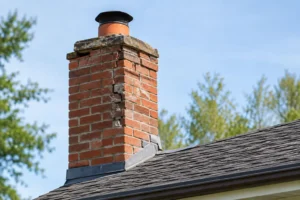
Spalling bricks are a good example. Spalling happens when bricks absorb water and begin to chip, flake, or break apart. If only a few bricks are affected, spot replacement may solve the problem. If the issue is ignored for too long, entire sections of the chimney may need to be rebuilt.
Smoke chamber sealing is another case where early action can make a difference. If gaps, cracks, or rough surfaces are affecting draft or allowing heat to escape improperly, sealing can improve performance and safety. Left unresolved, these issues can contribute to more serious wear inside the system.
Minor leak repairs also tend to stay affordable only if the source is identified quickly. Homeowners sometimes assume the roof is the problem when the chimney is actually the source of the leak. A cracked crown, failed flashing, missing cap, or deteriorated mortar can all let water in. The longer that moisture moves through the structure, the less affordable the fix becomes.
What makes one chimney repair option more affordable than another
Affordable does not always mean cheapest up front. A low bid that skips necessary prep work, uses weak materials, or patches over active damage can cost more when the repair fails. Real affordability comes from work that solves the problem correctly and helps you avoid repeat service.
The size of the damaged area is one factor. A localized repair is naturally less expensive than work involving several chimney components at once. Accessibility matters too. A single-story chimney is generally easier and faster to service than one on a steep, multi-story roof.
Material condition also changes the price. If water damage has already spread into bricks, mortar, liner components, and nearby roofing materials, the job becomes more involved. That is why transparent estimating matters. Homeowners need to know whether they are paying for a true repair or just a temporary patch.
A dependable contractor should explain the difference between what needs immediate attention and what can be planned for later. That approach helps you prioritize safety issues first while still managing the budget responsibly.
How to budget for affordable chimney repair options
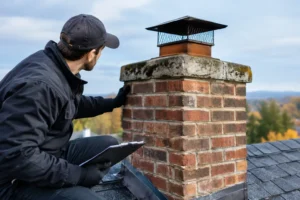
If your chimney needs work, the smartest first step is an inspection. Guessing rarely saves money. A proper assessment can show whether you are dealing with surface wear, water entry, venting issues, or structural movement. Once the source of the problem is clear, it is easier to compare repair choices based on urgency and long-term value.
It also helps to ask whether the repair addresses the cause or just the symptom. Sealing a visible crack without fixing the water entry point may look less expensive at first, but it usually leads to another service call. On the other hand, combining a few related repairs in one visit can sometimes be more cost-effective than spacing them out if the access and setup are the same.
For homeowners in New Jersey, weather is another practical consideration. Freeze-thaw cycles, heavy rain, and seasonal storms can speed up masonry damage. If your chimney already has vulnerable areas, delaying repairs through another winter may raise the final cost.
Red flags to avoid when shopping for lower-cost repairs
Price matters, but so does accountability. If a contractor cannot clearly explain the problem, the repair method, and what materials will be used, that is a warning sign. The same goes for vague estimates or pressure to replace everything without showing why repair is not enough.
Be cautious with quick surface coatings that promise to solve every issue. Some products can help in the right application, but they are not a substitute for masonry repair, crown correction, flashing work, or liner attention when those systems are failing. A budget-conscious repair should still be a real repair.
This is where working with an insured, experienced local contractor makes a difference. A company that handles chimney systems every day is more likely to spot connected issues before they become expensive surprises. That matters even more when the chimney and roofing components affect each other.
The best affordable choice is often the timely one
Most homeowners do not mind paying for necessary work. What they want to avoid is paying twice. The best affordable chimney repair options are the ones that match the actual problem, protect the home from bigger damage, and hold up through the next season.
Sometimes that means a simple cap replacement. Sometimes it means tuckpointing, crown repair, flashing replacement, waterproofing, or targeted masonry work. The right answer depends on condition, timing, and whether the repair solves the source of the damage.
If your chimney is showing signs of wear, the most cost-effective move is usually to get it looked at before the problem spreads. A clear estimate, honest recommendations, and solid workmanship can keep a manageable repair from turning into a major project – and that is where real savings start.