A chimney cap is a small piece of protection with a large job. It has to keep rain, snow, leaves, squirrels, birds, and wind-driven debris out of an opening that cannot be left exposed. For homeowners comparing the best chimney cap materials, the right choice usually comes down to how well the cap resists corrosion, fits the chimney, and holds up through years of New Jersey weather.
A cheap cap that rusts through or blows loose can lead to wet chimney liners, damaged masonry, blocked flues, odors, and expensive repairs. The material matters, but so do the cap’s construction, screen, lid, mounting method, and proper installation.
What a Chimney Cap Needs to Do
A properly fitted chimney cap covers the flue opening without restricting the chimney’s ability to vent. Its raised lid sheds rain and snow, while the mesh sides help keep animals and larger debris out. It can also reduce the amount of downdraft entering the flue during high winds.
Not every chimney needs the same cap. A single round flue often uses a round cap, while a masonry chimney with multiple flues may need an individual cap for each flue or one larger, full-width cap mounted across the chimney crown. Choosing material is only useful after confirming the chimney’s size, flue layout, fuel type, and condition.
Best Chimney Cap Materials Compared
Stainless Steel: The Best All-Around Choice
For most homes, stainless steel is one of the best chimney cap materials because it balances long-term durability, corrosion resistance, appearance, and cost. Quality stainless steel stands up well to rain, snow, humidity, and the freeze-thaw cycles that are common across New Jersey.
It is especially practical for homeowners who want a dependable cap without paying the premium price of copper. Stainless caps are available in many sizes and styles, including single-flue, multi-flue, high-wind, and spark-arrestor designs. They are also a strong choice for wood-burning fireplaces, gas appliances, and oil systems when correctly specified for the application.
The key word is quality. Thin, low-grade stainless can still discolor, warp, or corrode over time. A properly fabricated stainless cap with secure mounting and durable mesh is a better investment than a bargain cap that looks similar from the ground.
Copper: Premium Protection and Appearance
Copper is the premium option for homeowners who want exceptional longevity and a distinctive finish. It does not rust like ordinary steel. Over time, it develops a natural patina that can shift from bright copper to darker brown and eventually green, depending on exposure.
Copper caps are often chosen for historic homes, slate roofs, high-end masonry work, or homes with copper gutters and flashing. When properly made and installed, they can last for decades.
The trade-off is cost. Copper is substantially more expensive than stainless steel or galvanized steel, and it is not necessary for every home. It also needs to be installed with compatible materials. Contact between dissimilar metals can create corrosion issues, so fasteners and nearby flashing details should be evaluated carefully.
Galvanized Steel: Budget-Friendly but Shorter-Lived
Galvanized steel caps are commonly used because they are affordable and readily available. The zinc coating provides some protection against rust, making galvanized steel a reasonable short-term or budget-conscious option.
However, the coating eventually wears down, especially along seams, cut edges, and fastener locations. Once exposed steel begins to rust, deterioration can move quickly. Moisture, chimney exhaust, salt exposure near the shore, and trapped debris can all shorten its service life.
A galvanized cap may make sense for a temporary repair, a lightly used chimney, or a homeowner preparing for a larger chimney project later. For a long-term installation, stainless steel generally offers better value because it requires fewer replacements.
Aluminum: Lightweight but Not Always the Right Fit
Aluminum chimney caps resist rust and are lightweight, which can make them easy to handle and install. They are often less expensive than stainless steel and are available in several painted finishes.
Still, aluminum is softer than steel and can dent, bend, or deform more easily in severe weather. It may not be the best option for exposed chimney tops, high-wind locations, or applications where heavy snow and ice are a concern. Some aluminum caps also have limitations around certain high-heat appliance venting systems.
Aluminum can work well in the right situation, but it should be selected based on the chimney’s use and exposure, not just its upfront price.
Material Is Only Part of a Good Chimney Cap
A chimney cap can be made from excellent material and still fail if it is poorly designed or improperly installed. Before selecting a cap, look closely at several details.
First, the cap must fit. A cap that is too small can restrict ventilation or leave parts of the flue exposed. One that is too large or loosely attached can rattle, shift, or come off during storms. Multi-flue chimney caps need enough height above the tallest flue to allow proper draft.
Second, check the mesh. Screens help prevent animal entry, but mesh that is too fine can clog with soot, creosote, leaves, or ice. This is particularly important for wood-burning fireplaces. A blocked screen can create draft problems and needs prompt attention.
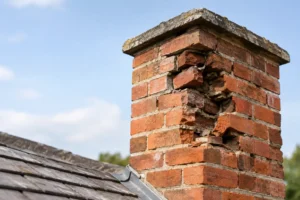
Third, pay attention to the chimney crown. The crown is the cement surface at the top of a masonry chimney. Cracks, poor slope, or failed sealing around the flues can allow water into the brickwork even with a new cap installed. A cap protects the flue opening. It does not replace needed crown repair, flashing repair, or masonry waterproofing.
Choosing the Right Cap for Your Chimney
For most residential chimneys, a well-built stainless steel cap is the practical recommendation. It provides strong protection without the higher investment of copper, and it handles the wet, cold, and changing conditions homeowners see throughout New Jersey.
Copper is worth considering when appearance and maximum service life are priorities, particularly on a home with architectural details that call for it. Galvanized steel may be suitable when budget is the deciding factor, but homeowners should expect to inspect it more often and potentially replace it sooner. Aluminum can be a good fit for specific applications, provided the cap is rated for the venting system and installed in a location where it will not be easily damaged.
The chimney’s fuel source matters as well. A wood-burning fireplace produces soot and creosote that can collect on a screen. Gas and oil systems have their own venting requirements, and some appliance liners require a specific cap style. Never install a generic cap over an active flue without confirming it is designed for that system.
Signs Your Existing Chimney Cap Should Be Replaced
You do not need to wait until a cap falls off to address a problem. Rust streaks on the chimney, a bent lid, loose mesh, missing fasteners, or a cap that has shifted out of position are all reasons to schedule an inspection.
Animal noises or nesting material in the fireplace are another warning sign. So are water stains near the fireplace, a damp smell after rain, or pieces of metal found around the chimney base. Those symptoms may also point to crown, flashing, liner, or masonry problems, which is why a full chimney evaluation is more useful than replacing the visible cap alone.
A professional installation also helps avoid damage to fragile flue tiles and cracked crowns. The goal is not simply to put metal on top of the chimney. It is to create a secure, weather-resistant detail that supports safe venting and protects the structure below.
If your chimney cap is rusted, missing, or letting animals and water into the flue, address it before the next hard rain or winter freeze. A clear inspection and a properly matched cap can prevent a small opening at the top of the chimney from becoming a much larger repair inside the home.