A roof leak rarely waits for a convenient time. It may show up as a water stain after a hard rain, a loose shingle in the yard, or damp insulation in the attic. When that happens, choosing a qualified roofing contractor is not just about getting the fastest price. It is about protecting your home from more water damage, mold, wood rot, and avoidable repair costs.
For New Jersey homeowners, weather adds another layer of concern. Wind, snow, ice, heavy rain, and changing temperatures can all wear down roofing materials and the flashing around chimneys, vents, and skylights. The right contractor should identify the actual source of the problem, explain the repair clearly, and stand behind the work.
Start With the Problem, Not the Sales Pitch
Before requesting estimates, take note of what you have seen. A missing shingle is visible from the ground. A ceiling stain may appear near one room but originate several feet away on the roof. Water can enter around flashing, travel along framing, and reveal itself where the damage is easiest to see.
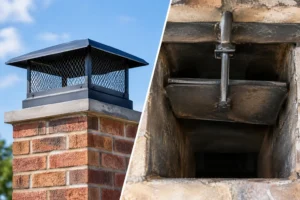
A dependable contractor will inspect more than the obvious symptom. They should look at the roof covering, underlayment, penetrations, gutters, attic ventilation, and the areas where roofing meets masonry. Chimneys deserve special attention because cracked crowns, failing mortar, damaged flashing, or missing caps can all allow water into the home.
Be cautious if someone recommends a full replacement without explaining why repair is no longer a practical option. A replacement may be the right call for an aging roof with widespread wear, recurring leaks, or extensive storm damage. But a localized flashing failure or a small area of damaged shingles may be repairable. The answer depends on the roof’s age, condition, material, and the extent of hidden damage.
What a Qualified Roofing Contractor Should Provide
A professional roofing contractor should make it easy to understand who is working on your home and what they plan to do. Clear communication is not an extra service. It is part of responsible workmanship.
Ask for proof of current insurance, including liability coverage and workers’ compensation coverage. This protects homeowners if an accident or property damage occurs during the job. You should also confirm that the company is properly licensed or registered as required for the work being performed in New Jersey.
A written estimate should be specific. It should identify the repair or replacement area, materials to be used, expected labor, cleanup responsibilities, and the projected cost. If the scope is vague, it becomes difficult to compare bids or hold anyone accountable once work begins.
For a larger roofing project, request clarity on four practical points:
- Whether damaged decking will be inspected and how replacement costs are handled if rot is found
- Which shingles, membranes, flashing materials, or other roofing products are included
- How the crew will protect landscaping, siding, driveways, and other areas around the home
- What workmanship warranty applies after the job is complete
These details matter because two estimates with similar totals may not include the same level of protection. A lower bid can sometimes leave out critical materials, disposal, flashing work, or repairs that prevent the same leak from returning.
Compare Estimates Without Chasing the Lowest Price
Price matters, especially when an unexpected repair puts pressure on a household budget. Fair pricing, however, is not always the lowest number on paper. A very low estimate may reflect shortcuts that cost more later, such as reusing worn flashing, skipping damaged wood repairs, using inferior materials, or installing a new roof over problems that should have been corrected first.
Compare the scope line by line. One contractor may quote basic shingle replacement while another includes ice and water protection, new pipe boot flashings, chimney flashing repairs, ventilation improvements, and removal of old roofing layers. Those are not equivalent proposals.
Ask how change orders are handled. Roofing work can reveal concealed damage once old materials are removed. A trustworthy contractor will explain that possibility before the job starts, document the issue if it appears, and discuss the added cost before moving forward whenever possible.
You should also ask about payment timing. Be careful with companies that demand the full amount before materials arrive or work begins. A reasonable schedule should match real project progress and leave homeowners with a clear record of every agreement.
Look Closely at Chimney Flashing and Roof Transitions
Many roof leaks are not caused by the main roof field. They begin where materials meet: around chimneys, valleys, skylights, dormers, vents, and sidewalls. These transition points are exposed to moving water and seasonal expansion and contraction, so they need careful installation.
Chimney flashing is a common trouble spot. Proper flashing creates a layered water barrier where the roof meets the chimney. If it is rusted, loose, improperly sealed, or covered with temporary patch material, water can work behind it and damage roof decking, walls, ceilings, and chimney masonry.
This is why it helps to choose a contractor experienced with both roofing and chimney-related repairs. A roof repair may fail if the masonry crown is cracked or the chimney structure continues to absorb water. On the other hand, a chimney repair may not fully solve an interior leak if damaged flashing remains in place.
Adore Construction approaches these connected issues as part of the same home-protection system, with roofing, chimney, flashing, and masonry services handled with clear recommendations and practical repair options.
Know When Repair Makes Sense and When Replacement Does Not
A repair can be a smart investment when the roof is generally sound and the issue is limited. Replacing a few wind-damaged shingles, repairing a small flashing section, sealing a penetration, or correcting a localized membrane problem can extend the roof’s useful life.
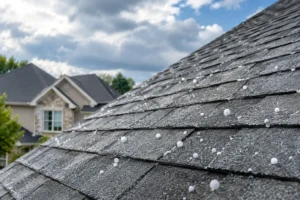
Replacement is often more sensible when repairs have become frequent, the roof is near the end of its expected service life, shingles are broadly curling or losing granules, or leaks point to widespread material failure. It may also be necessary when the deck has significant water damage or when previous installations were done poorly.
Material selection should fit the roof, budget, and building needs. Asphalt shingles are a common residential choice because they balance cost and performance. EPDM, PVC, silicone coatings, and torch-applied systems may be appropriate for low-slope areas, but they require the right preparation and installation method. Slate and tile offer long service lives and distinct appearance, yet their weight and repair requirements make a qualified assessment essential.
No material performs well if it is installed over unresolved moisture problems or without proper ventilation. Heat and moisture trapped in an attic can shorten roof life, contribute to ice dams, and raise energy costs. Your contractor should evaluate ventilation as part of a major roofing decision, not treat it as an afterthought.
Watch for Red Flags Before You Sign
Storm damage can bring legitimate contractors to a neighborhood, but it can also attract high-pressure sales tactics. Do not feel rushed into signing paperwork at the door or accepting a verbal promise without a written scope of work.
Be wary of contractors who cannot provide insurance information, avoid detailed questions, offer an unusually broad promise without inspecting the roof, or insist that a problem can be fixed with caulk alone. Sealant has a role in many repairs, but it is not a substitute for correctly installed flashing, sound decking, or properly integrated roofing materials.
Photos can be helpful, especially for areas you cannot safely inspect yourself. A contractor should be able to show you the concern, explain its significance in plain language, and describe the recommended solution without using fear to force a decision.
Protect the Work After the Crew Leaves
Once repairs or replacement are complete, keep your estimate, contract, material information, photos, permits if applicable, and warranty documents together. After the next heavy rain, check the attic and previously affected interior areas for signs of moisture. A quick follow-up can catch a concern before it becomes a larger problem.
You can also help extend roof life with basic maintenance. Keep gutters clear, trim branches that scrape the roof, watch for loose or missing shingles after storms, and schedule an inspection when you notice stains, dampness, or changes around the chimney. Avoid walking on the roof yourself, especially when surfaces are wet, steep, or damaged.
A good roof should give you confidence when the forecast turns ugly. If you see a warning sign, address it while the repair is still manageable and choose a contractor who treats your home with the same care they would expect for their own.