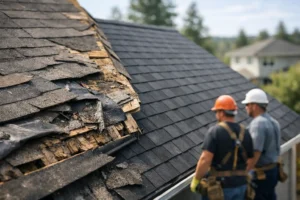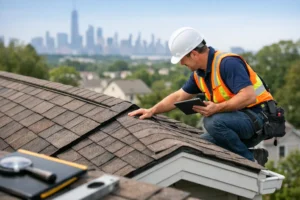
A roof usually does not fail all at once. It starts with a missing tab after a storm, a dark stain near the chimney, or shingles that look curled and tired from years of sun and wind. When homeowners start comparing the best shingles for roof replacement, they are usually not shopping for style alone. They are trying to avoid leaks, stop repeat repairs, and make a smart investment that holds up in real weather.
That is the right way to look at it. The best shingle is not simply the most expensive one or the one with the longest brochure warranty. It is the one that fits your home, your budget, and the kind of weather your roof has to handle year after year.
What makes the best shingles for roof replacement?
A good shingle should do three jobs well. It should shed water reliably, resist wind damage, and age at a pace that matches what you paid for it. Beyond that, appearance matters too, because a new roof changes the look of your whole house.
For most homeowners, the decision comes down to lifespan, storm resistance, maintenance needs, and cost. If a shingle looks great but struggles in harsh weather, it may not be the right fit. If it lasts a long time but pushes the project beyond budget, it may not be practical either.
This is where honest trade-offs matter. There is no single product that is best for every home.
Asphalt shingles are the most common choice
Asphalt shingles are the standard on many residential roofs for one reason – they offer a strong balance of cost, performance, and availability. They are also available in different grades, and that difference matters.
3-tab asphalt shingles
These are the basic option. They are lighter, flatter in appearance, and usually cost less upfront than other shingle styles. For a homeowner trying to keep replacement costs under control, they can make sense.
The downside is durability. In stronger wind and rough weather, 3-tab shingles generally do not hold up as well as upgraded products. Their lifespan is also shorter. If your roof is exposed to repeated storms or you want a longer-term solution, this is often not the strongest value over time.
Architectural shingles
Architectural shingles, sometimes called dimensional shingles, are the most popular upgrade from 3-tab roofing. They are thicker, heavier, and built with more depth in the profile, which gives the roof a more finished look.
For many homes, this is the sweet spot. Architectural shingles typically offer better wind resistance, longer life, and a stronger overall appearance without jumping into specialty roofing prices. If a homeowner asks for the best shingles for roof performance on a reasonable budget, this is often where the conversation starts.
Luxury asphalt shingles
Luxury shingles are designed to imitate slate or cedar shake while keeping the benefits of asphalt installation. They can give a home a higher-end look and often provide solid performance.
The trade-off is price. Once you move into luxury shingles, the cost can get close enough to premium roofing materials that it makes sense to compare all options carefully. They can be excellent, but they are not always the best value for every property.
Metal-look performance matters less than actual weather resistance
Homeowners sometimes get drawn in by color, shape, or a thicker appearance, assuming that heavier-looking shingles are automatically better. That is not always true. The product rating, manufacturer system, roof ventilation, flashing details, and installation quality all matter just as much.
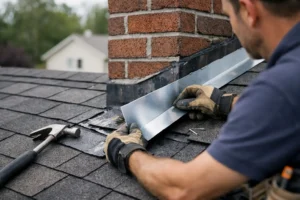
A well-installed mid-range architectural shingle can outperform a premium product that is installed poorly. That is especially important around roof penetrations, valleys, and chimney flashing, where leaks often begin. The shingle itself matters, but the roof system matters more.
Climate should shape your decision
In New Jersey, roofs deal with a little bit of everything. Summer heat, winter freeze-thaw cycles, coastal moisture in some areas, strong winds, and storm-driven rain all put stress on roofing materials. That means homeowners should look beyond appearance and ask how a shingle performs in changing conditions.
If your home gets full sun most of the day, heat aging matters. If your neighborhood sees frequent wind gusts, wind ratings matter. If ice dams have been a problem before, the underlayment and edge details matter along with the shingles.
This is why the best shingles for roof replacement in one state are not always the same in another. Local weather should influence the recommendation.
Impact-resistant shingles are worth considering in some cases
Some asphalt shingles are built with higher impact resistance, which can help in hail-prone areas or on homes where falling branches are a concern. They are not indestructible, but they may reduce the chance of damage from moderate impact.
For homeowners who have already dealt with storm-related repairs, paying more for added resistance can be worthwhile. For others, standard architectural shingles may be enough. It depends on the property, tree cover, and the kind of storm exposure the roof gets.
Color affects more than curb appeal
Color choice is often treated like a style decision, but it can influence roof temperature and the overall look of the house for decades. Dark shingles tend to absorb more heat, while lighter colors may reflect more sunlight.
That does not mean light is always better. A light roof on the wrong home can look out of place, and energy savings vary based on attic insulation, ventilation, and home design. In most cases, homeowners should choose a color that fits the exterior and then confirm that the attic system is doing its job.
When premium materials make sense
Some homes are better suited for slate, tile, or other premium roofing systems rather than standard shingles. If the home has a historic look, a steep roofline, or a design that calls for a more distinctive finish, asphalt may not be the ideal match.
Still, premium materials come with their own costs and structural considerations. They may last longer, but installation is more specialized and repairs can be more involved. For many families, a high-quality architectural shingle gives the best mix of protection, appearance, and manageable cost.
Installation quality is the part homeowners should not overlook
A lot of roofing problems blamed on shingles are really installation problems. Nails placed incorrectly, poor attic ventilation, weak flashing, bad chimney integration, and shortcuts along roof edges can shorten the life of a perfectly good product.
That is why comparing shingle brands alone is not enough. Homeowners should ask how the full roof system will be built, what underlayment is used, how ventilation will be addressed, and whether flashing around chimneys, walls, and valleys will be replaced properly.
This is also where working with an experienced local contractor matters. A crew that understands storm exposure, moisture issues, and common roof failure points can help match the product to the home instead of just selling the most expensive line item.
How to choose the right shingle for your home
If your goal is basic protection at the lowest upfront cost, 3-tab shingles may still be an option, though they are rarely the first recommendation for long-term value. If you want the best overall balance, architectural shingles are usually the strongest choice for most homes. If appearance is a major priority and the budget allows it, luxury asphalt shingles may be worth the upgrade.
The right answer also depends on how long you plan to stay in the home. If this is your long-term house, paying more for better durability often makes sense. If you are trying to replace a failing roof responsibly without overextending your budget, a dependable mid-range system may be the smarter move.
A good roofing conversation should feel practical, not pushy. You should be able to ask what you are paying for, what kind of lifespan is realistic, and what risks come with choosing a cheaper option.
A smart roof choice is about protection, not just product labels
The best shingles for roof projects are the ones that match the house, the climate, and the homeowner’s priorities. For most residential properties, architectural asphalt shingles remain the most dependable all-around option because they offer strong performance without making the project unnecessarily expensive.
If you are weighing roof replacement, focus on more than color samples and warranty sheets. Ask how the roof will handle wind, water, ventilation, flashing, and the trouble spots that usually fail first. The right shingle matters, but the real goal is a roof that protects your home without giving you another reason to worry next season.