Key Highlights
- A roof’s lifespan in New Jersey is often 15-20% shorter than the national average due to harsh weather.
- The type of roofing material is a primary factor, with asphalt shingles lasting 20-28 years and slate lasting over 75 years.
- New Jersey’s climate, including nor’easters and freeze-thaw cycles, significantly shortens roof longevity.
- Installation quality and regular maintenance are critical for maximizing the life of any roof.
- Architectural shingles are the most common choice for NJ homes, offering a good balance of durability and cost.
- Regular inspections can add 5-10 years to your roof’s lifespan by catching issues early.
Introduction
If you own a home in New Jersey, understanding your roof’s lifespan is crucial for planning and budgeting. The state’s extreme weather, from heavy snow to humid summers, puts significant stress on all roofing systems. Knowing when a roof replacement might be necessary helps you avoid the high costs of an emergency situation. This guide will walk you through the average lifespan of different roofing materials in New Jersey, the factors that affect longevity, and how you can protect your investment.
Understanding Roof Lifespan in New Jersey
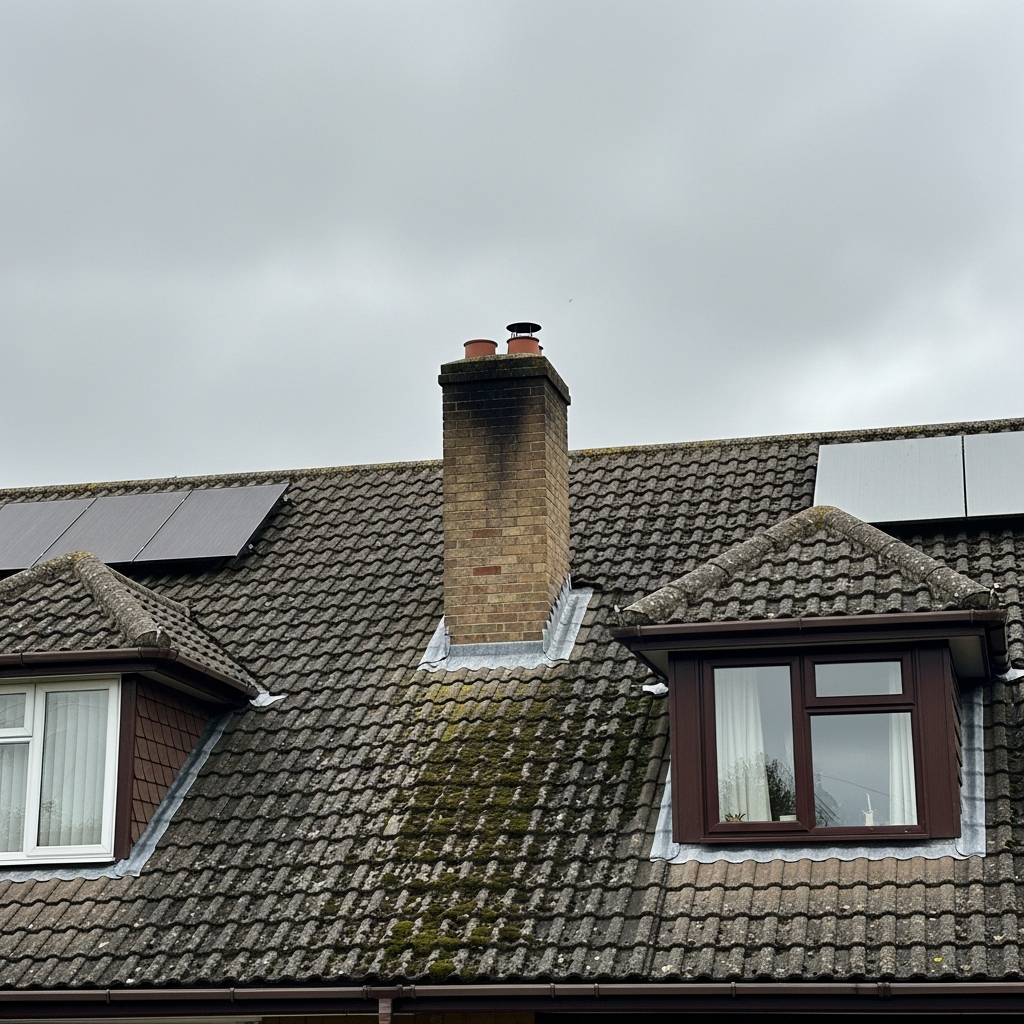
The roof lifespan in New Jersey is not a one-size-fits-all number. It is influenced by a combination of material choice, local climate, and the quality of upkeep. New Jersey conditions, with their mix of coastal humidity and harsh winter storms, create a unique environment that can accelerate wear and tear on your home’s exterior.
Proper installation is the foundation of a long-lasting roof. Even the best materials can fail prematurely if not installed correctly. Understanding how these factors work together will help you better predict how long your roof will last and when you should start planning for its replacement.
Why Local Climate Matters for Your Roof
New Jersey’s climate presents a significant challenge for roofing systems. The state experiences a full range of weather conditions, from brutal winter freezes to scorching summer heat, each impacting the durability of your roof. High winds, especially during nor’easters, can lift and tear shingles, leaving your home vulnerable to storm damage.
Winter freezes and thaws create a damaging cycle. Water seeps into small cracks in roofing materials, freezes, expands, and widens the cracks. Over time, this process degrades shingles, tile, and flashing seals. In contrast, the summer heat causes materials to expand and can bake asphalt shingles, making them brittle. The intense UV exposure also breaks down the chemical bonds in roofing materials, shortening their effective life.
This constant expansion and contraction, combined with moisture and wind, means roofs in New Jersey take more abuse than in many other parts of the country. This makes material choice and maintenance even more critical for local homeowners.
Major Roofing Materials Used in NJ Homes
Choosing the right roofing material is essential for durability in New Jersey. NJ homes feature a variety of options, each with its own strengths and weaknesses against the local climate. While aesthetics and budget are important, performance should be the top priority.
The most common choice is asphalt shingles, which are used on over 80% of homes in areas like Essex County. They offer a great balance of cost and performance. Metal roofing is gaining popularity for its excellent resistance to wind and snow. Tile roofs provide a distinct look but can be vulnerable to freeze-thaw cycles. For those seeking the ultimate in longevity, slate is the premier choice.
Here are some of the primary materials used:
- Asphalt Shingles (Architectural & 3-Tab)
- Metal Roofing (Standing Seam)
- Tile Roofs (Clay & Concrete)
- Slate and other high-end materials
Key Factors That Influence Roof Longevity in NJ
Several key factors combine to determine your roof lifespan in New Jersey. While the material you choose sets a baseline expectation, other elements can significantly add to or subtract from that number. Weather exposure is a constant battle, but you have control over other important aspects.
The two most critical factors you can influence are installation quality and regular maintenance. A roof installed by a skilled professional will withstand the elements far better than one with cut corners. Likewise, a routine of care and inspection can catch small issues before they become major problems, extending the life of your roof by years. Next, we will explore these factors in more detail.
Weather Extremes: Storms, Snow, and Heat
New Jersey’s weather is a primary antagonist to your roof’s health. The state is prone to nor’easters that bring heavy rain and high winds, which are a direct cause of storm damage. These storms can lift shingles and drive water underneath, leading to leaks and structural issues.
During winter, heavy snow and ice dams pose a serious threat. Ice dams form when melting snow refreezes at the eaves, trapping water that can seep under roofing materials. This moisture intrusion is a common source of winter roof leaks. The repeated cycle of freezing and thawing exacerbates this issue, causing materials like concrete tiles and asphalt shingles to crack and degrade over time.
In the summer, intense UV exposure and high temperatures take their toll. The sun’s rays break down the chemical composition of asphalt, making shingles brittle and causing them to lose their protective granules. Dark-colored roofs can reach extreme temperatures, leading to thermal cycling that weakens the entire roofing system.
Installation Quality and Building Codes
The quality of your roof’s installation is just as important as the materials used. A poorly installed roof can fail in half its expected lifespan, regardless of how premium the materials are. Proper installation ensures that every component, from the underlayment to the flashing, works together to create a watertight barrier against New Jersey’s weather.
Local building codes are in place to guarantee a minimum standard of quality and safety. In New Jersey, roofing contractors must be licensed, and municipalities require permits for replacements. These regulations ensure that your new roof is installed to handle local conditions, such as wind loads and snow accumulation. Adhering to these codes is a key part of a proper installation.
Hiring a reputable contractor who understands and follows these codes is non-negotiable. A professional inspection can identify installation shortcuts on an existing roof, but getting it right from the start is the best way to maximize your roof lifespan. Your contractor should be your partner in ensuring a long-lasting, compliant installation.
Maintenance and Upkeep Considerations
Consistent maintenance is one of the most effective ways to extend the life of your roof. Through proper care and regular inspections, you can address minor issues before they escalate into significant roof damage. This proactive approach can add 5 to 10 years to your roof’s lifespan, even in New Jersey’s challenging climate.
A comprehensive maintenance plan involves several key tasks. These actions help protect your roof from the cumulative effects of weather and debris. Committing to a routine of upkeep is a small investment that pays huge dividends in longevity and peace of mind.
Key maintenance tips include:
- Scheduling regular inspections, especially in the spring and fall, to assess for winter damage and prepare for the coming season.
- Keeping gutters clean to prevent water backup, which can lead to ice dams and rot.
- Trimming overhanging tree branches to prevent scraping and puncture damage during storms.
Average Roof Lifespan by Material Type in New Jersey
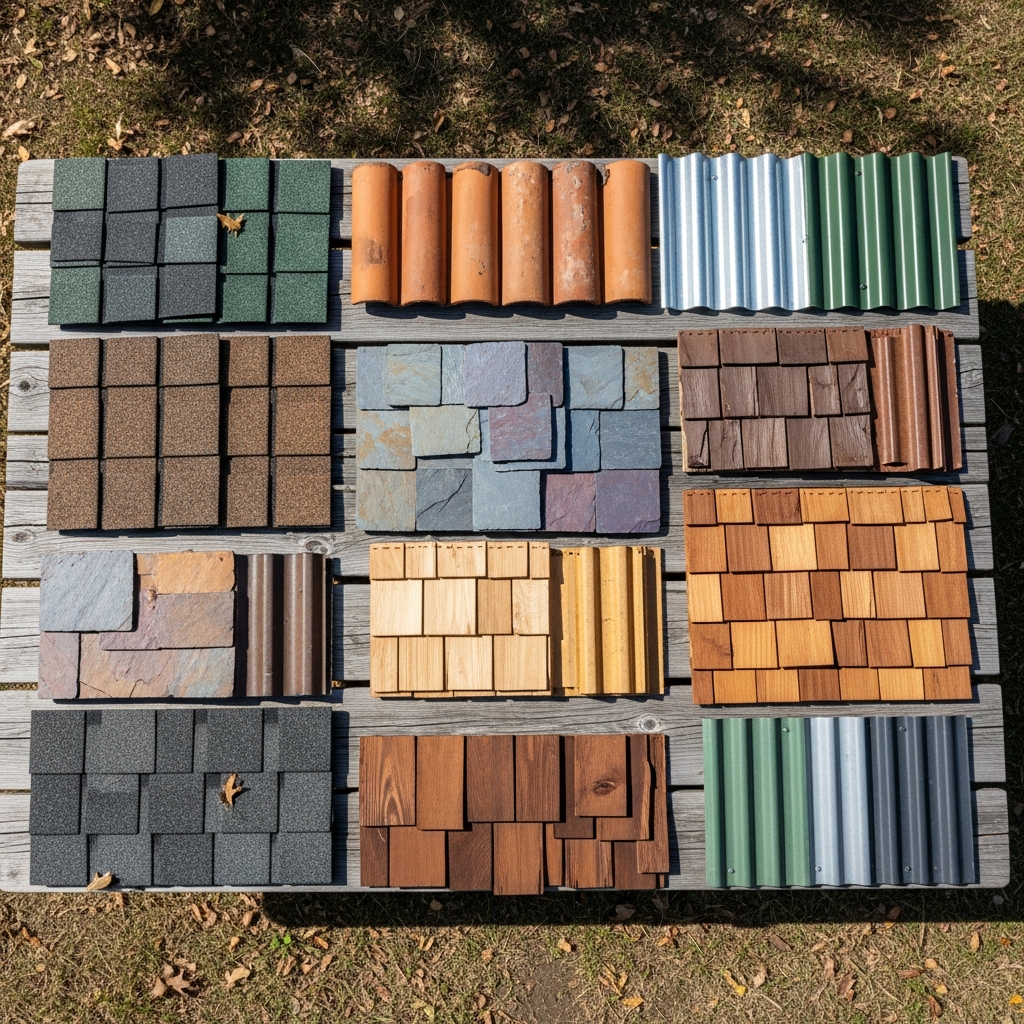
The type of roofing material you select is the largest determinant of your roof lifespan. For NJ homes, the expected longevity of any material is typically 15-20% shorter than the national average due to the state’s harsh weather. Understanding the realistic lifespan for each material type in New Jersey is key to making an informed decision for your home.
From the common asphalt shingle to premium slate, each material performs differently. Below, we’ll break down the expected years for the most common roofing choices and discuss the unique challenges they face in the Garden State.
Asphalt Shingles: Expected Years and Unique Challenges
Asphalt shingles are the most prevalent roofing choice in New Jersey, but their lifespan is heavily influenced by the specific type and the local weather conditions. An asphalt roof must be able to withstand high winds, ice, and UV exposure. With proper maintenance, these roofs can provide reliable protection for decades.
There are two main types of asphalt shingles: 3-tab and architectural. Architectural shingles are thicker, more durable, and offer superior wind resistance, making them a better value for most New Jersey homes. They are designed to withstand the state’s challenging climate more effectively than their budget-friendly counterparts.
The lifespan varies significantly between these options, especially under New Jersey’s climate stress. Here is a direct comparison:
|
Shingle Type |
National Average Lifespan |
New Jersey Lifespan |
|---|---|---|
|
3-Tab Asphalt Shingles |
15-20 years |
12-18 years |
|
Architectural Shingles |
25-30 years |
20-28 years |
Metal Roofing: Durability in New Jersey’s Climate
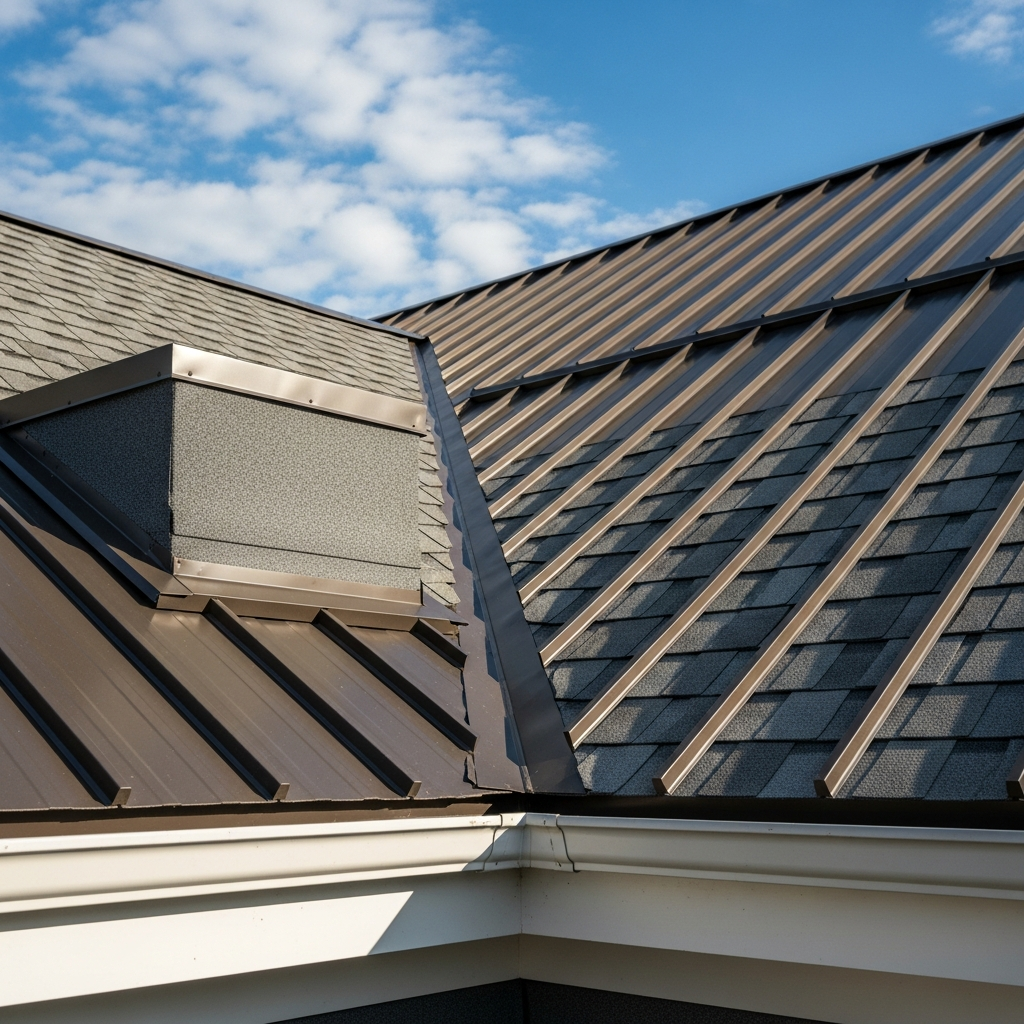
Metal roofing is an excellent choice for durability in New Jersey, offering superior performance against the state’s harshest weather. Standing seam metal roofs handle nor’easter winds exceptionally well, as there are no shingles to lift. Snow and ice also slide off more easily, greatly reducing the risk of ice dams. This resilience makes metal a long-lasting and low-maintenance option compared to other materials.
The primary consideration for metal roofing in New Jersey is its proximity to the coast. Homes near the Jersey Shore are exposed to salt air, which can accelerate corrosion. In these areas, aluminum or zinc-coated steel is recommended. For inland homes, standard galvanized steel provides excellent protection against storm damage and UV exposure.
With proper installation, a metal roof can last between 40 and 60 years, weathering storms and temperature swings far better than asphalt. Its ability to reflect solar heat also makes it an energy-efficient choice for hot New Jersey summers.
Tile Roofs: Longevity and Replacement Frequency in NJ
Tile roofs, whether clay or concrete, offer impressive longevity but come with specific challenges in New Jersey. For New Jersey homeowners with this roofing style, understanding how the local climate affects tile is key to maintenance. While tile is a durable material, it is not immune to the state’s weather extremes.
The primary concern for tile roofs in NJ is freeze-thaw damage. Concrete tiles are more porous than clay and can absorb moisture. When this water freezes, it expands and can crack the tiles. Clay tiles are more resistant to this, which is why they tend to last longer in this climate. Humid summers can also promote algae growth on tile surfaces.
A well-maintained clay tile roof can last 50-80 years, while a concrete tile roof typically lasts 40-60 years. A roof replacement is rare, but individual tiles may need replacing due to cracking from ice dam formation or impact. Applying a sealant to concrete tiles can help extend their lifespan.
Slate and Other High-End Roofing Materials
When it comes to ultimate durability, slate is the undisputed champion among roofing materials. Slate is a natural stone that is virtually impervious to New Jersey’s weather, resisting wind, fire, and freeze-thaw cycles. This is why many historic homes in towns like Montclair and South Orange still have their original slate roofs from over a century ago.
These premium materials come with a higher upfront cost, but they can be the last roof your home will ever need. The lifespan of your roof can easily exceed 100 years with slate. However, it requires specialized installation and maintenance. The flashing and underlayment will likely fail long before the slate itself, requiring a professional inspection every few years to ensure these components are intact.
While the initial investment is significant, the longevity and classic aesthetic of slate make it a worthwhile consideration for homeowners focused on long-term value. Other high-end materials, like designer asphalt shingles that mimic slate, offer enhanced durability over standard options but do not match the lifespan of true slate.
Flat Roofing Systems: TPO, EPDM, and Modified Bitumen
Flat roofing systems are common on commercial properties and some residential homes in New Jersey, but they face the toughest conditions in the state. Due to their low slope, they are highly susceptible to ponding water from heavy rain and melting snow. This standing water, combined with freeze-thaw cycles, makes them the shortest-lived roofing option in this climate.
Materials like TPO, EPDM, and modified bitumen are also vulnerable to UV degradation from hot summers, which can cause the membranes to become brittle and crack over time. This increases the risk of water intrusion. For these reasons, flat roofs do have a shorter lifespan in New Jersey, typically lasting between 12 and 20 years.
Proper drainage design and regular maintenance are absolutely critical for flat roofing. TPO is often recommended for its heat-welded seams, which offer superior resistance to leaks compared to the glued seams of EPDM. Frequent inspections are necessary to ensure the membrane remains intact and sealed.
Regional Variations: North vs. South Jersey Roof Performance
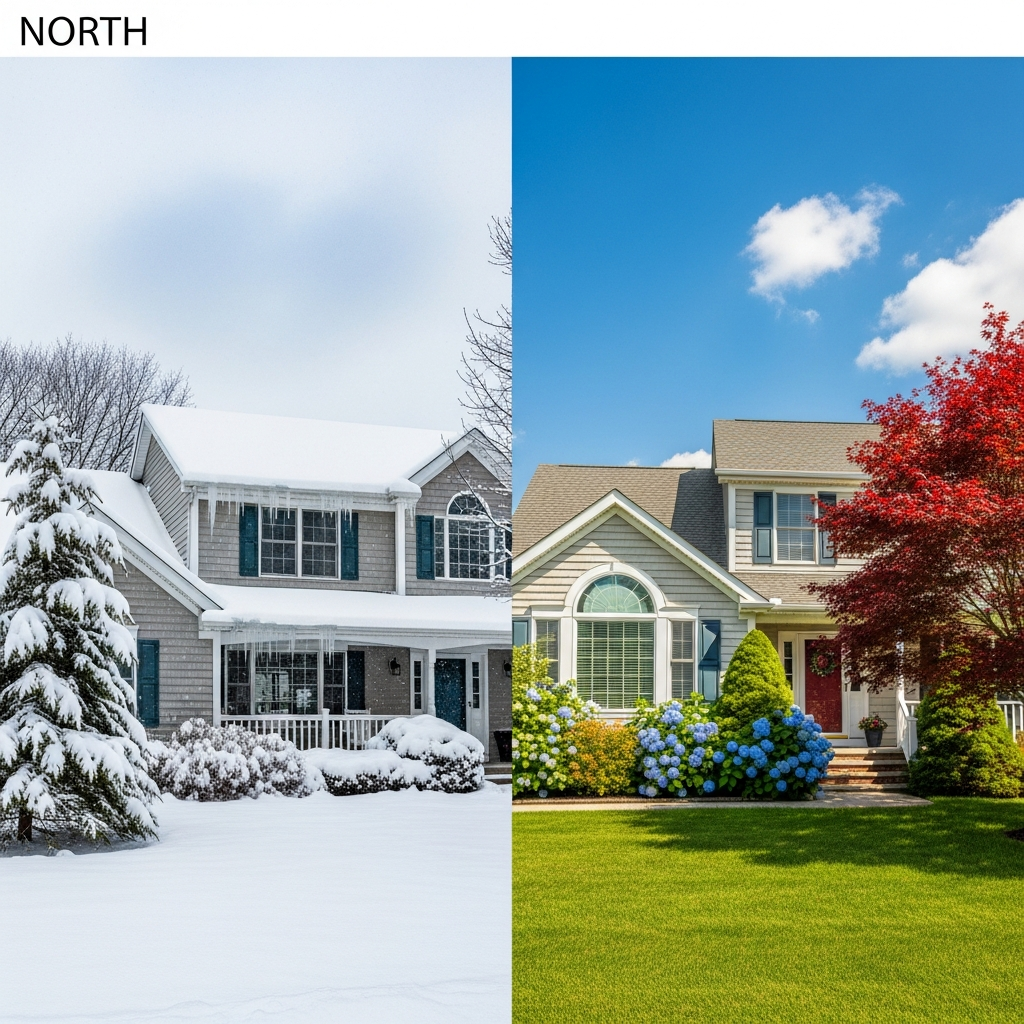
While New Jersey is a small state, there are noticeable regional differences in climate that affect roof performance. The weather exposure a roof in North Jersey endures can be quite different from that of a roof in South Jersey, leading to variations in the expected roof lifespan. These differences are subtle but can impact long-term durability.
From the colder, snowier winters in the north to the humid, coastal conditions in the south, these environmental factors play a role in how roofing materials age. Understanding these distinctions can help you better care for your roof based on your specific location within the state.
Weather Differences Across the State
Yes, there are tangible differences in roof lifespan between North and South Jersey due to varying weather patterns. Northern New Jersey, particularly in higher elevation areas, experiences more freeze-thaw cycles and greater snowfall. This puts more stress on materials vulnerable to cracking and ice dams, potentially shortening the life of asphalt and concrete tile roofs.
Conversely, South Jersey and the state’s coastal areas face different challenges. These regions contend with higher humidity, more direct exposure to salt air, and the threat of strong winds from tropical storms. The summer heat can also be more intense, accelerating UV damage. Metal roofs near the coast may corrode faster if not made of appropriate materials like aluminum.
While the entire state of New Jersey presents a tough environment for roofs, the specific type of weather exposure varies. A roof in Sussex County is battling cold and ice, while a roof in Cape May is fighting salt and sun. These factors can lead to a difference of a few years in a roof’s effective lifespan.
Local Environmental Factors Impacting Roofs
Beyond broad weather patterns, specific local environmental factors can impact your roof’s health. New Jersey conditions, particularly in wooded or coastal areas, create microclimates that encourage certain types of roof deterioration. Proximity to trees, for example, increases the risk of debris accumulation and shade.
Shaded, damp areas are breeding grounds for algae growth and mold growth. Algae, visible as dark streaks, feeds on the limestone in asphalt shingles and gradually degrades them. Moss can grow roots that lift shingles, allowing water intrusion and leading to water damage. In coastal regions, the constant presence of salt air can corrode metal components like flashing and fasteners, even on non-metal roofs.
These local factors can cause premature aging if not managed. Key environmental impacts include:
- Algae and moss growth on shaded or north-facing slopes.
- Corrosion from salt air in coastal communities.
- Physical damage from falling branches in heavily wooded areas.
Beginner’s Guide: How to Assess Your Roof’s Lifespan
For many New Jersey homeowners, assessing the remaining roof lifespan can feel like a daunting task. However, you can perform a basic inspection from the ground to look for obvious warning signs of roof damage. Knowing what to look for can help you decide when it is time to call a professional.
This guide will provide you with the necessary steps to evaluate your roof’s age and condition. By understanding these basics, you can become more proactive in your roof’s maintenance and better prepare for an eventual replacement. Let’s get started on what you will need and the steps to follow.
What You’ll Need Before Getting Started
Before you begin your roof inspection, it is important to gather a few simple tools and documents. This initial preparation will make the process smoother and help you document your findings accurately. Your goal is to identify potential issues from the safety of the ground or from inside your home.
Remember, this is a visual assessment. Any signs of significant roof damage should prompt a call for a professional inspection. Do not attempt to get on your roof yourself, as this can be dangerous and may cause more harm. A professional has the training and safety equipment to conduct a thorough, hands-on evaluation.
Here is what you should have ready:
- Binoculars for a closer look from the ground.
- A flashlight for inspecting your attic.
- A notebook and pen to jot down observations.
- Any records of past repairs or your last roof replacement.
- The contact information for a trusted roofing contractor.
Step-by-Step Guide to Evaluating Roof Age and Condition
Evaluating your roof’s condition is a process of careful observation. By following a few simple steps, you can get a clearer picture of your roof’s lifespan and identify any areas of concern. This process combines knowing your roof’s history with looking for visible signs of wear.
Regular inspections are the best way to stay ahead of potential problems. This step-by-step guide will help you conduct your own visual check-up, empowering you to take proactive steps in caring for your roof. Knowing the roof age and roof material is the perfect starting point.
Here is a simple breakdown of the process:
- Step 1: Identify your roof material and age.
- Step 2: Inspect for visible wear, damage, or leaks.
- Step 3: Consider local weather impacts and past repairs.
- Step 4: Decide when to consult a roofing professional.
Step 1: Identify Your Roof Material and Age
The first step in assessing your roof is to determine its material type and age. The roofing material is the single biggest clue to its expected lifespan. Are your shingles asphalt? Is your roof metal, tile, or slate? If you are unsure, a quick online search for images of different materials can help you identify yours.
Next, try to determine the roof age. If you have owned the home since the last new roof was installed, you should have records of the installation date. If not, check the home’s disclosure documents from when you purchased the property. The previous owner may have noted the date of the last replacement.
Knowing the material and age gives you a baseline. For example, if you have a 15-year-old 3-tab shingle roof, you know it is approaching the end of its typical lifespan in New Jersey. This information is critical for contextualizing any damage you might find in the next steps.
Step 2: Inspect for Visible Wear, Damage, or Leaks
With your binoculars, scan your entire roof from the ground. Look for common warning signs of roof damage. On a shingle roof, this includes shingles that are curling at the edges, cracked, or missing entirely. Also check your gutters for an accumulation of black granules; this indicates the protective layer of your shingles is wearing away.
Next, head into your attic with a flashlight. Look at the underside of the roof deck for any signs of water intrusion. This can appear as dark water stains, mold growth, or even visible light shining through gaps. These are clear indicators that your roof’s integrity is compromised.
Finally, check the ceilings and walls inside your home, especially on the top floor. Water stains, peeling paint, or bubbling drywall are often the result of a slow leak that has been going on for some time. These signs suggest your roof is failing and requires immediate attention.
Step 3: Consider Local Weather Impacts and Past Repairs
Now, think about your roof’s history. Has your area experienced any severe weather conditions recently, such as a nor’easter, hurricane remnants, or a major hailstorm? Significant storm damage can drastically shorten a roof’s life, even if repairs were made. A roof that has been through multiple major storms is likely to have more wear than one that has not.
Also, consider the history of past repairs. A roof that has needed multiple fixes in different areas may be showing signs of systemic failure. While regular maintenance is good, frequent repairs can indicate that the roof is nearing the end of its functional life. Compare the repair costs you have incurred to the potential cost of a full replacement.
If your roof has been patched up repeatedly, it might be more cost-effective to invest in a new system rather than continuing with temporary fixes. A history of frequent problems is a strong signal that the underlying materials are beginning to fail.
Step 4: Decide When to Consult a Roofing Professional
The final step is knowing when to call for a professional inspection. If your roof is approaching the end of its expected lifespan, if you have spotted multiple warning signs, or if your home has been through a major storm, it is time to consult an expert. A professional can provide a definitive assessment that you cannot get from the ground.
A professional roofer will safely get on your roof to check for subtle damage, assess the condition of flashing and seals, and give you an honest opinion on whether a repair or a full roof replacement is needed. This expert evaluation is crucial for making an informed decision and avoiding costly future problems.
Ultimately, a professional inspection provides peace of mind. Investing in an expert opinion can save you thousands in the long run by either confirming your roof is in good shape or by catching a major issue before it causes catastrophic damage. It is the smartest way to manage your roof lifespan.
Pro Tips to Extend the Life of Your Roof in NJ
As New Jersey homeowners know, the weather can be tough on a roof. The good news is that you can take proactive steps to extend your roof lifespan significantly. With proper care and attention, you can add 5 to 10 years to your roof’s life, pushing it toward the upper end of its expected range.
A combination of regular inspections and consistent preventative maintenance is the key. These simple but effective strategies help protect your roof from the elements and prevent small issues from becoming major expenses. The following tips will help you get the most out of your roofing investment.
Regular Inspections and Preventative Maintenance
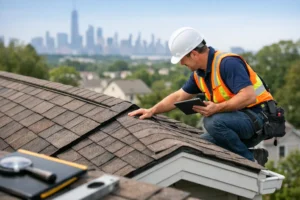
The single most effective way to extend your roof lifespan is through regular inspections. In New Jersey, it is wise to have your roof professionally inspected twice a year: once in the spring to check for winter roof damage and once in the fall to prepare for the cold months ahead. This allows a trained eye to spot subtle issues you might miss.
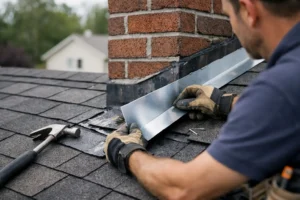
Preventative maintenance goes hand-in-hand with inspections. This includes addressing any minor problems found during the inspection, such as re-sealing flashing or replacing a single damaged shingle. This proactive approach stops water intrusion before it can cause rot or structural problems, which are far more expensive to fix.
By investing a small amount in proper maintenance, you protect your larger investment in the roof itself. This routine of care is the difference between a roof that fails prematurely and one that lasts for its full intended lifespan, saving you money and stress in the long run.
Cleaning, Ventilation, and Gutter Care
Beyond inspections, several key maintenance tasks are crucial for roof health. Proper cleaning, ensuring adequate attic ventilation, and consistent gutter care all play a vital role in preventing premature aging and water damage.
Proper ventilation is especially critical in New Jersey. A well-ventilated attic helps prevent ice dams in the winter by keeping the roof deck cool. In the summer, it allows hot, moist air to escape, which prevents the shingles from “baking” from below and reduces the risk of mold growth. Furthermore, diligent gutter care is essential. Clogged gutters cause water to back up against the roofline, leading to rot and leaks.
To keep your roof in top shape, focus on these areas:
- Keep gutters and downspouts clear of leaves and debris to ensure proper drainage.
- Ensure your attic has balanced intake and exhaust vents for proper ventilation.
- Gently remove moss and algae growth to prevent them from degrading roofing materials.
Addressing Minor Repairs Early
One of the cornerstones of extending your roof lifespan is addressing minor repairs as soon as they are discovered. A single missing shingle or a small crack in a sealant might seem insignificant, but in New Jersey’s wet climate, it is an open invitation for water to get in and cause serious roof damage.
The cost of fixing a minor issue is a fraction of what it costs to repair the widespread damage that can result from neglect. For example, replacing a missing shingle might cost a couple of hundred dollars, but repairing the rotted roof deck and interior water damage it could cause can cost thousands. This is why prompt action is so important.
Think of regular maintenance and minor repairs as an investment, not an expense. By being vigilant and acting quickly, you are actively preserving the integrity of your entire roofing system. This proactive mindset is essential for any homeowner looking to get the maximum possible life out of their roof.
Warning Signs Your Roof May Be at the End of Its Life
Knowing the warning signs of a failing roof is crucial for all New Jersey homeowners. Catching these indicators early can help you plan for a roof replacement before a catastrophic failure occurs, saving you from the stress and high cost of an emergency situation. Obvious signs like water stains on your ceiling are a late-stage call to action.
There are many visual cues that your roof is nearing the end of its service life. From the condition of the shingles to the presence of widespread algae, these red flags indicate that the materials are breaking down and can no longer provide reliable protection.
Common Visual Red Flags for NJ Homeowners
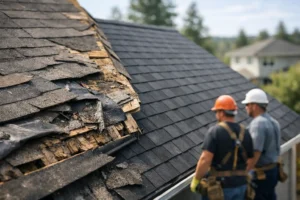
There are several clear visual warning signs that your roof is nearing the end of its life. For homeowners with a shingle roof, one of the most common red flags is seeing shingles that are curling, buckling, or clawing. This indicates they have reached the end of their lifespan and are no longer lying flat, making them vulnerable to wind and water.
Another key sign is significant granule loss. These granules protect the shingle from sun damage, and when they wear off, the shingle deteriorates quickly. You will often find these granules collecting in your gutters. Widespread algae growth or dark streaks across the roof also suggest the shingles are retaining moisture and breaking down.
Inside your home, be on the lookout for water stains on the ceiling or walls. Other signs to watch for include:
- Daylight visible through the roof boards in your attic.
- A sagging or drooping roof deck.
- Cracked or missing flashing around chimneys, vents, and skylights.
When to Replace vs. When to Repair
Deciding whether to repair or opt for a full replacement is a common dilemma for homeowners. The choice often comes down to the age of the roof, the extent of the damage, and the overall cost. If your roof is relatively new and has isolated damage, such as a few missing shingles from a storm, a repair is usually the most sensible option.
However, if your roof is approaching the end of its expected lifespan and showing widespread issues like curling shingles or significant granule loss, a roof replacement is typically the better long-term investment. Continuing to pay for frequent repair costs on an old roof can become a financial drain. A helpful guideline is the “30% rule”: if repairs would cost more than 30% of a full replacement, or if more than 30% of the roof is damaged, replacement is the smarter choice.
Ultimately, the best way to make this decision is to get a professional inspection. A trusted contractor can assess the overall health of your roofing system and provide an honest recommendation.
Conclusion
In conclusion, understanding the average roof lifespan by material in New Jersey is crucial for homeowners looking to make informed decisions about their roofing needs. By considering factors such as climate, material type, and maintenance practices, you can better anticipate when it might be time for repairs or replacements. Regular inspections and being aware of warning signs can extend your roof’s life significantly. Remember, a well-maintained roof not only protects your home but also enhances its value. If you have questions about your roof or would like personalized guidance, don’t hesitate to reach out for a free consultation with our experts. Your roof deserves the best care!
Frequently Asked Questions
What is the average lifespan of asphalt shingle roofs in New Jersey?
In New Jersey, the average lifespan of an asphalt shingle roof is 12-18 years for 3-tab shingles and 20-28 years for architectural shingles. The lifespan of your roof can be maximized with proper maintenance and regular inspections, but NJ’s harsh weather typically shortens it compared to national averages.
Do flat roofs have a shorter lifespan in New Jersey due to weather?
Yes, flat roofing systems generally have a shorter roof lifespan in New Jersey, typically 12-20 years. The state’s weather conditions, including ponding water from heavy rain and snow combined with freeze-thaw cycles, put immense stress on flat roof membranes. Proper installation and drainage are critical.
What roofing material lasts the longest in New Jersey’s climate?
Slate is the roofing material that lasts the longest in New Jersey conditions, with a roof lifespan of 75-100+ years. These premium materials are naturally resistant to the state’s harsh weather. Metal roofing is the next most durable option, lasting 40-60 years with proper maintenance.
How can I tell if my roof needs to be replaced soon?
Look for warning signs like widespread curling or missing shingles, significant granule loss in gutters, and a sagging roof deck. Any signs of water intrusion, such as water stains in your attic, indicate serious roof damage. If you see these signs, a professional inspection can determine if a roof replacement is needed.