A low-slope roof leak rarely stays small for long. Water can travel beneath the roofing surface, soak insulation or decking, and show up indoors far from the actual opening. When comparing EPDM vs torch down roofing, homeowners need more than a simple price comparison. The right choice depends on roof shape, drainage, existing materials, chimney details, foot traffic, and how long you plan to keep the home.
Both systems can provide dependable protection when installed correctly. They are not interchangeable, though. EPDM is a flexible rubber membrane, while torch down roofing is a heat-applied modified bitumen system. Each has strengths, limitations, and installation requirements that matter on New Jersey homes.
EPDM vs Torch Down Roofing at a Glance
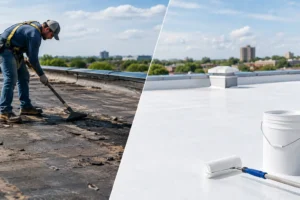
EPDM roofing is a synthetic rubber membrane commonly used on flat and low-slope roofs. It is typically installed in large sheets that are fully adhered, mechanically attached, or held in place with ballast on certain commercial-style applications. For most homes, a fully adhered EPDM system offers a clean, practical finish with fewer field seams.
Torch down roofing is made from layers of modified bitumen. A roofing professional uses a torch to heat the underside of the material as it is rolled into place, creating bonded seams and laps. It is often installed as a two- or three-layer system, giving the roof a substantial, layered surface.
EPDM generally wins on flexibility and simpler maintenance. Torch down can offer excellent puncture resistance and a tough surface, especially where the roof may see occasional service traffic. The better material is the one that fits the roof’s condition and is installed with careful attention to edges, penetrations, drains, and flashing.
How EPDM Performs on Residential Low-Slope Roofs
EPDM has earned its place on residential additions, garages, porches, dormers, and low-slope sections behind chimneys. The membrane remains flexible through seasonal temperature changes, which is valuable in New Jersey where roofs face summer heat, winter cold, rain, wind, and freeze-thaw cycles.
A major advantage is the potential for long, continuous sheets. Fewer seams can mean fewer possible leak points, provided the perimeter and flashing details are handled correctly. EPDM is also relatively lightweight, which can be helpful when the roof structure does not need the added weight of multiple bitumen layers.
The material is usually black, though lighter options and coatings may be available depending on the roofing system. A black roof can absorb heat, so attic ventilation, insulation, and the roof’s exposure should be part of the conversation. On a small roof section shaded by trees or a taller part of the home, heat gain may be less of a concern than waterproofing details.
EPDM does have trade-offs. Sharp objects, careless foot traffic, and some chemicals can damage the membrane. Branches rubbing across the roof, unsecured patio furniture, or technicians walking repeatedly in the same area can create trouble over time. Repairs are often straightforward when a problem is found early, but they must be cleaned, primed, and patched correctly to hold.
How Torch Down Roofing Performs
Torch down roofing is a strong option for low-slope roofs that need a durable, layered surface. The modified bitumen is commonly reinforced with fiberglass or polyester, and the cap sheet can include a mineral surface that protects against sunlight and wear. The finished roof often has a textured, granulated appearance rather than the smooth look of a rubber membrane.
Its layered construction can be a real benefit on roof areas exposed to service traffic, such as sections near HVAC equipment or areas where a contractor may need access to a chimney. The surface is generally more resistant to scuffs and punctures than a single-ply membrane. That said, no roofing system should be treated like a walking surface without proper protection.
Torch down also performs well when installed with properly sealed overlaps and flashing transitions. The system can conform effectively around certain roof details, but it requires skilled workmanship. Poor heating can leave weak seams, while overheating can damage the material. A rushed installation may look acceptable at first and still develop leaks at laps or edges later.
The biggest consideration is fire safety. Open-flame torch application near wood framing, siding, eaves, skylights, vents, or chimney components demands strict safety practices. In some situations, a contractor may recommend a self-adhered or cold-applied modified bitumen system instead. That can provide similar material benefits while avoiding the risks associated with an open flame.
Cost: Look Beyond the Initial Estimate
Torch down roofing and EPDM pricing varies with roof size, tear-off needs, access, insulation, drainage corrections, number of penetrations, and flashing work. A simple rectangular garage roof will cost far less per project than a tight low-slope roof wrapped around a chimney, parapet wall, and multiple transitions.
EPDM may be more cost-effective on a large, uncomplicated roof because the membrane can cover broad areas with fewer seams. Torch down can make sense when a durable multi-layer assembly is needed or when the roof’s details favor modified bitumen. Material cost alone should not decide the job. The labor needed to remove wet layers, replace damaged decking, rebuild edges, or correct ponding water can have a larger impact than the membrane itself.
Ask for an estimate that clearly identifies what is included. It should address tear-off or overlay, decking repairs if needed, insulation, membrane or bitumen layers, flashing, edge metal, drain work, cleanup, and warranty terms. A lower number that skips failing flashing or leaves wet material below the new roof is not a bargain.
Drainage and Flashing Matter More Than Most Homeowners Expect
Neither EPDM nor torch down roofing is a cure for standing water caused by poor roof slope or blocked drains. Both materials are designed for low-slope applications, but a roof that holds water for long periods puts extra stress on seams, flashing, and the structure below.
Before replacement, the contractor should identify why water is collecting. The solution may involve clearing drains, improving scuppers, adjusting gutters, adding tapered insulation, or repairing sagging decking. Addressing the cause is more dependable than simply covering the symptom with a new membrane.
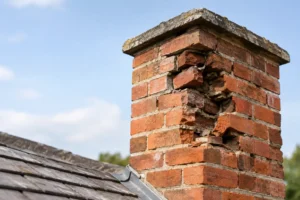
Chimneys deserve special attention. The point where roofing meets masonry is a common source of leaks, especially on older homes. Counterflashing, step or base flashing, mortar joints, chimney crowns, and nearby roof transitions all need inspection. A sound roofing installation can still leak if water is entering through deteriorated masonry or failed chimney flashing.
Which Roofing System Is Right for Your Home?
Choose EPDM when your priority is a flexible, low-maintenance membrane for a straightforward low-slope roof. It is often a strong fit for additions, garages, and roof sections with broad, open areas. It can be an efficient choice when the roof has limited penetrations and the existing drainage is working properly.
Consider torch down roofing when you want a tougher, layered surface and the roof layout or expected foot traffic calls for added durability. It can also be a practical choice for certain complex transitions, provided the installation team is qualified and the property can be protected during open-flame work.
The roof’s existing condition may make the decision for you. If the deck is soft, insulation is wet, flashing has failed, or the slope is inadequate, those problems should be corrected before either system goes on. A new roof performs best when it is built on a dry, stable, properly detailed surface.
Questions to Ask Before Scheduling the Work
A reliable roofing contractor should be able to explain why a specific system fits your roof, not simply recommend the material they install most often. Ask whether the current roof will be removed, how drainage will be evaluated, how chimney and wall flashing will be handled, and what safety measures will be used if torch application is proposed.
Also ask how the roof will be protected after installation. Regular debris removal, gutter maintenance, and prompt repair of storm damage help any low-slope roof last longer. Avoid letting leaves build up at drains or roof edges, where trapped moisture can lead to leaks and deterioration.
For homeowners deciding between EPDM and torch down roofing, the most valuable next step is a close roof inspection. A clear assessment of the deck, drainage, flashing, and existing damage gives you a recommendation based on your home – not a one-size-fits-all sales pitch.