A roof leak rarely starts as a dramatic ceiling collapse. More often, it begins with subtle roof decking damage symptoms that homeowners miss until the repair gets bigger, messier, and more expensive. If your roof has been through heavy rain, winter ice, high humidity, or years of aging materials, the decking underneath may already be telling you something is wrong.
What roof decking does and why damage matters
Roof decking is the wood layer attached to the roof framing. It sits under the shingles or other roofing material and gives the roof system its base. When the decking is solid, the roof can shed water properly, hold fasteners securely, and support the weight of materials and weather loads.
When the decking starts to weaken, the problems spread fast. Shingles may loosen, moisture can move deeper into the structure, and soft spots can become a safety issue. In New Jersey, where roofs deal with coastal moisture, winter freeze-thaw cycles, storms, and summer heat, damaged decking is not something to put off.
The most common roof decking damage symptoms
Some warning signs show up inside the home, while others appear on the roof itself. The trouble is that homeowners often focus on the visible leak and miss the wood damage underneath.
A sagging or uneven roofline
If part of your roof looks dipped, wavy, or uneven, that can point to weakened decking. A roof should have a consistent surface. When the wood underneath swells, rots, or loses strength, the surface above it can start to sink.
Not every uneven line means the decking is bad. Older homes can have framing shifts that are unrelated. But if the dip seems new or is paired with leaks, that is a strong sign the roof structure needs attention.
Soft spots when the roof is inspected
A trained roofer can often feel soft areas underfoot during an inspection. Those spots usually mean the wood has absorbed moisture and started to break down. This is one of the clearest roof decking damage symptoms because healthy decking should feel firm and stable.
Homeowners should not walk the roof to check this on their own. Wet or weakened roofing is a fall risk, and stepping on a compromised section can make the damage worse.
Interior water stains or active leaks
Brown ceiling stains, peeling paint near the top of walls, or drips in the attic often mean water is getting past the roofing system. Once that happens, the decking is one of the first materials to take the hit.
A single leak does not always mean the entire deck is failing. Sometimes the issue is isolated around flashing, a pipe boot, or a missing shingle. But if leaks have been ignored for a while, the decking below is often part of the repair.
Moldy or musty attic odors
If your attic smells damp, stale, or moldy, trapped moisture may be affecting the underside of the roof deck. This can happen from roof leaks, poor ventilation, or both. Over time, moisture buildup can stain the wood, support mold growth, and weaken the deck panels.
This is where proper diagnosis matters. The smell may come from insulation or framing, not just the decking. Still, the roof deck should be checked because persistent attic moisture rarely stays isolated.
Visible rot, dark staining, or delamination in the attic
A flashlight in the attic can reveal a lot. If you see dark patches, swollen wood, flaking layers, or sections that look crumbly, the decking may be deteriorating. Plywood and OSB can both show damage differently. Plywood may split into layers, while OSB often swells and softens when it gets saturated.
Fresh stains usually point to an active moisture problem. Older stains may be left over from a previous issue. That is why appearance alone is not enough – the wood needs to be checked for firmness and moisture content.
Shingles that keep curling, buckling, or blowing off
When shingles fail repeatedly in the same section, the roof covering may not be the only problem. Damaged decking can prevent nails from holding properly. If the substrate is soft, swollen, or rotted, shingles above it are less secure and more likely to lift or wear unevenly.
This is especially common when a roof has had patchwork repairs over old water damage. New shingles may be installed, but if the decking underneath was not replaced where needed, the same area often gives trouble again.
Higher energy bills with attic heat or moisture issues
This one is less obvious, but it matters. Wet decking and attic moisture problems can affect insulation performance and ventilation balance. If your upper floors feel harder to cool in summer or heat in winter, the issue may involve more than just HVAC efficiency.
Energy changes alone do not prove deck damage. But combined with leaks, odors, or visible staining, they can help complete the picture.
What causes roof decking to fail
Water is the main cause, but not the only one. Long-term leaks around chimneys, flashing, skylights, and valleys are frequent culprits. Ice dams can force water back under shingles. Poor attic ventilation can trap humidity and slowly weaken the wood from below.
Age also matters. Older roofs may have decking that has gone through years of expansion, contraction, and repeated wetting. In some homes, earlier repairs may have covered over damaged sections instead of replacing them. Storm damage can also open the door. Once shingles lift or flashing separates, the decking becomes vulnerable fast.
There is also a workmanship side to this. If roofing materials are installed over compromised wood, the roof system is only as strong as the base under it. That is why a proper inspection matters more than a quick surface patch.
When roof decking damage is repairable and when replacement makes more sense
It depends on how far the damage has spread. If the problem is limited to a small section near a leak source, a targeted repair may be enough. The damaged decking can be cut out and replaced, then the underlayment and roofing materials can be restored over that area.
If multiple sections are soft, stained, or rotted, partial repairs may turn into repeat service calls. In those cases, broader replacement is often the smarter investment. It costs more upfront, but it gives the roof a sound base again and helps avoid chasing one problem after another.
This is also where honesty from your contractor matters. Not every roof needs a full replacement, and not every soft spot can be ignored. A good inspection should show you what is damaged, what is still solid, and what the safest repair path looks like.
What homeowners should do next
If you have noticed roof decking damage symptoms, start with a professional roof inspection. The goal is to find the moisture source, assess how much wood is affected, and determine whether the issue is isolated or part of a bigger roofing failure.
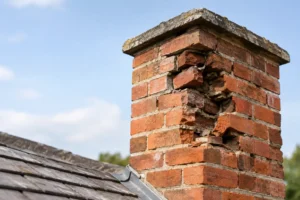
Avoid the temptation to judge the problem from the ceiling stain alone. The visible mark inside the house is often smaller than the damage above it. And if your home has chimney flashing issues, aging shingles, or recurring leaks after storms, make sure those connected components are inspected too.
For homeowners in New Jersey, timing matters. Small decking repairs are easier to manage before summer storms or winter freeze-thaw weather put the roof under more stress. Waiting can turn a manageable wood replacement into insulation damage, mold concerns, or interior repairs.
A careful repair now protects more than the roof
Roof decking is hidden, but it carries a lot of responsibility. When it starts to fail, your shingles, attic, insulation, and interior rooms all feel the effect. Catching the warning signs early gives you more repair options, lower risk, and a better chance of avoiding structural damage.
If something about your roof looks off, smells damp, or keeps leaking in the same area, trust that instinct and have it checked. A solid roof starts with a solid deck, and dealing with the problem early is one of the best ways to protect your home.