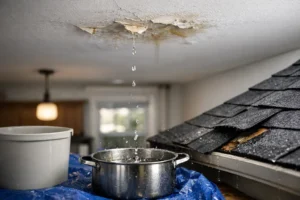
A ceiling stain shows up fast. Insurance answers usually do not. If you’re asking does homeowners insurance cover roof leaks, the short answer is maybe – but it depends on why the roof leaked, how long the problem has been there, and what your policy actually says.
That gray area is what trips up a lot of homeowners. Many people assume any roof leak should be covered because the damage happened inside the house. Insurance companies do not look at it that way. They usually focus on the cause of the leak, not just the water stain on the drywall.
Does homeowners insurance cover roof leaks from every cause?
No. In most cases, homeowners insurance covers roof leaks when the damage comes from a sudden, accidental, and covered event. It usually does not cover leaks caused by age, neglect, poor maintenance, or wear and tear.
That distinction matters. If a windstorm tears shingles off your roof and rain gets in, that is often covered. If the roof has been deteriorating for years and finally starts leaking during a regular rain, the claim may be denied. The same water came into the home, but the cause is different.
Insurance is designed for sudden loss, not ongoing upkeep. A roof is like any other major part of the house. It needs maintenance, inspections, and repairs over time. When a policyholder could have prevented the damage through normal care, insurers often treat that as the homeowner’s responsibility.
When roof leak damage is often covered
A claim has a better chance when the leak is tied to a specific event that happened suddenly and can be documented. Storm damage is the most common example. High winds, hail, falling tree limbs, or heavy weather can damage shingles, flashing, vents, or other roofing components and allow water inside.
Fire damage can also create openings in the roof that lead to leaks, and that may be covered. In some cases, ice or snow damage may qualify too, especially if the weight of the buildup caused a collapse or sudden structural issue. Coverage depends on the wording of the policy and the details of the damage.
What insurers usually want to see is a clear chain of events. A storm hits. Roof materials are damaged. Water enters the house. You report the claim promptly. The more direct that timeline is, the stronger the claim tends to be.
There is another important detail here. The interior water damage may be covered even if the insurance company debates part of the roof repair. For example, damaged insulation, drywall, paint, or flooring might qualify if the leak resulted from a covered event. But if the roof itself was already at the end of its life, the insurer may only pay part of the loss or may challenge the roof replacement portion.
When roof leaks are usually not covered
The most common denial comes down to maintenance. If flashing has been failing for years, shingles are brittle and curling, or an old roof simply wore out, that is usually not an insurance problem. It is a repair or replacement issue.
Insurance also tends to reject claims involving slow leaks. If water has been entering around a chimney, skylight, or vent over a long period, insurers may classify the damage as gradual deterioration. Mold, rotted decking, and repeated staining often raise red flags because they suggest the problem was not sudden.
Poor workmanship can create another gray area. If a previous repair was done incorrectly and that bad work caused the leak, your homeowners policy may not pay for the faulty work itself. In some situations, it may cover resulting damage to other parts of the home, but not always. That depends heavily on policy terms and the evidence gathered during inspection.
Some policies also have exclusions for certain causes of water damage. If the leak is connected to long-term seepage, neglected flashing, or construction defects, coverage becomes less likely.
The roof’s age matters more than many homeowners realize
Older roofs get more scrutiny during claims. Even if a storm did hit, the insurer may ask whether the roof was already worn out before the event. If the materials were brittle, patched many times, or near the end of their service life, the company may argue that the weather only exposed a pre-existing problem.
That does not automatically mean your claim will fail. It means documentation becomes more important. Recent inspection reports, maintenance records, and photos showing the roof’s condition before the leak can help support your side of the story.
Some policies also settle older roof claims on an actual cash value basis instead of replacement cost. That means depreciation gets subtracted. In plain terms, the insurer may pay less because the roof was older. Homeowners are often surprised by this because they expect a full replacement check and get an amount that only covers part of the work.
What to do as soon as you notice a roof leak
The first priority is to protect the home from further damage. Catch the water if you can, move belongings out of the way, and take reasonable steps to limit the spread. If water is near electrical fixtures, use caution and call a professional right away.
Then document everything. Take clear photos of the interior damage, the ceiling stain, any standing water, and any visible exterior issue if it can be done safely from the ground. Make note of the date, the weather conditions, and when you first noticed the leak.
After that, report the problem promptly. Waiting too long can hurt a claim because the insurer may argue that additional damage happened after you discovered the issue. Most policies require the homeowner to act reasonably to prevent further loss.
It also helps to have the roof inspected by a qualified contractor. A professional assessment can often tell whether the leak came from storm damage, failed flashing, worn shingles, chimney issues, or another source. That matters because the real entry point is not always directly above the water stain.
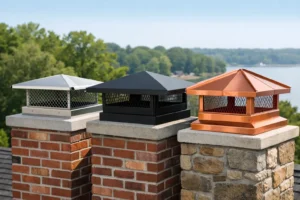
For many homes, leaks form around roof penetrations and transitions, not just open shingle areas. Chimneys are a common trouble spot. Damaged flashing, cracked crowns, failing masonry, and poor sealing can all let water in and make it look like the whole roof is failing when the real issue is more specific.
How the claims process usually works
Once you file a claim, the insurance company may send an adjuster to inspect the damage. They will look for evidence of a covered event, signs of age or neglect, and the extent of interior and exterior damage.
This is where details matter. If there was a recent storm, mention it. If you have photos from before the leak or receipts from maintenance work, keep those ready. If a contractor found storm-related roof damage or failed flashing around a chimney or vent, that information can help clarify the cause.
The insurer may approve the claim, deny it, or approve only part of it. Partial approvals are common. For example, they may agree to pay for ceiling repairs and some water damage but not for a full roof replacement. They may also approve repairs to the damaged slope only, depending on the policy and local requirements.
If a claim is denied, it is worth reading the denial carefully. The reason matters. A denial based on wear and tear is different from a denial based on missing documentation or uncertainty about the cause. In some cases, a second inspection or a more detailed contractor report can make the situation clearer.
Why leaks around chimneys and flashing cause confusion
A lot of homeowners think “roof leak” means shingles only. In reality, flashing failures are one of the most common causes of water intrusion. The metal or sealed joints around chimneys, vents, and roof edges are often where the problem starts.
This matters for insurance because flashing failure can happen for different reasons. If wind pulls materials loose during a storm, coverage may apply. If flashing rusted, separated, or was never installed correctly, insurance may treat it as maintenance or workmanship related.
That is one reason a proper inspection matters so much. A leak that looks simple from inside the attic can have several contributing causes outside. A dependable contractor should be able to explain what failed, what needs immediate repair, and whether the damage appears sudden or long-term.
The practical answer most homeowners need
So, does homeowners insurance cover roof leaks? Sometimes yes, sometimes no. If the leak came from a sudden covered event like wind, hail, or a falling branch, you may have a valid claim. If it came from age, neglected maintenance, or a long-term issue, you probably will not.
The smartest move is not to guess. Document the damage, report it quickly, and have the roof inspected by a qualified professional who can identify the real source of the leak. For homeowners in New Jersey, that often means looking closely at shingles, flashing, masonry, and chimney components together, because water rarely respects trade lines.
A small leak has a way of turning into rotten wood, interior damage, and bigger bills if it sits too long. Getting clear answers early is the best way to protect both your home and your wallet.