A ceiling stain after a hard rain can make any homeowner wonder: do roof repairs last, or are you about to start paying for the same problem over and over? A well-planned repair using compatible materials can protect a roof for many years. A quick patch over hidden damage, however, may only hold until the next major storm.
The difference comes down to the condition of the existing roof, the source of the leak, the quality of materials, and the workmanship behind the repair. The goal is not simply to stop water today. It is to correct the failure that allowed water in and protect the surrounding roof system from further damage.
Do Roof Repairs Last? It Depends on the Repair
Roof repairs are not all the same. Replacing a few wind-damaged shingles is very different from patching a broad area of worn, brittle roofing. Repairing lifted flashing around a chimney is also different from trying to save a roof that has reached the end of its useful life.
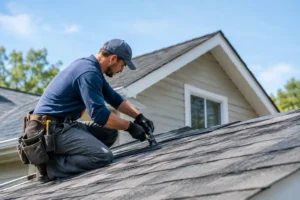
For a roof that is otherwise in sound condition, a targeted repair can often last as long as the surrounding materials. A properly installed shingle repair may provide years of dependable service. A well-executed flashing repair can continue protecting a chimney or wall transition for a long time, especially when the metal, sealants, and surrounding roofing are in good shape.
The repair has a shorter outlook when the roof has widespread wear. If shingles are curling, losing granules across multiple slopes, cracking from age, or repeatedly leaking in new places, the issue is bigger than one damaged section. In that case, continuing to patch the roof can become more expensive and stressful than planning a replacement.
What Determines How Long a Roof Repair Will Hold?
Finding the actual source of the leak
Water does not always enter where it appears inside the house. It can travel along roof decking, framing, or a chimney structure before reaching a ceiling. That is why a stain in a bedroom does not automatically mean the shingles directly above it are the problem.
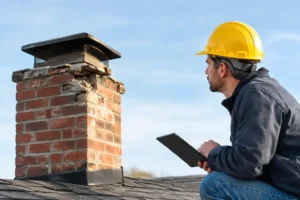
A dependable inspection looks at common failure points, including shingles, nails, valleys, vents, skylights, plumbing boots, roof edges, gutters, and chimney flashing. On homes with chimneys, cracked crowns, failing mortar joints, missing caps, or damaged counterflashing can also allow water into the system. Repairing only the visible symptom leaves the true entry point exposed.
The age and condition of the roof
A newer roof with isolated storm damage is usually a good candidate for repair. The existing shingles are still flexible enough to work with, and the roof deck is less likely to have hidden moisture damage.
An older roof presents more trade-offs. Shingles can become brittle, which makes them harder to lift and reseal without causing additional damage. Matching older colors and profiles may be difficult, too. A repair may still be the right move when damage is limited and replacement is not yet necessary, but homeowners should understand that the repaired area cannot reverse the age of the remaining roof.
Material compatibility
Roofing materials must work together. The replacement shingles should suit the existing system, and flashing materials need to be correctly integrated with the roof and chimney. A repair that relies on excessive caulk or mismatched components may look acceptable from the ground but fail sooner under sun, ice, wind, and heavy rain.
This is especially important on low-slope roofing. EPDM, PVC, torch-down, and silicone systems each require the right repair method. A product suitable for one roof surface may not bond properly or perform as intended on another. The correct approach depends on the roofing system, the condition of the membrane, and the location of the damage.
Workmanship beneath the surface
Lasting roof work is about more than what you can see after the crew leaves. Damaged underlayment, soft decking, rusted flashing, or deteriorated wood need attention before the exterior is closed back up. Covering compromised materials can trap a problem where it continues to spread.
Correct fastening, shingle overlap, flashing placement, and water-shedding details matter just as much. Water should be directed out and away from vulnerable transitions. When those details are skipped, even premium materials can fail early.
Repairs Around Chimneys Need Extra Attention
Chimneys interrupt the roofline, which makes them one of the most common places for water intrusion. The joint where the roof meets the chimney must handle rain, snow, wind, movement, and runoff year after year. It needs more than a bead of sealant.
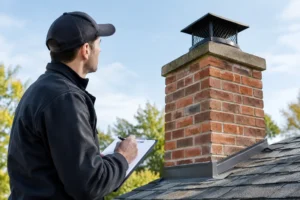
A durable chimney roof repair may involve step flashing along the sides, properly installed counterflashing, and repair of damaged roofing around the base. It may also require masonry work. Cracks in a chimney crown or open mortar joints can absorb water, leading to freeze-thaw deterioration during New Jersey winters. That moisture can eventually affect both the chimney and nearby roof components.
If a leak returns around a chimney after an apparent repair, do not assume every roofing repair is temporary. It may mean the chimney flashing, masonry, or crown was not fully evaluated the first time. A contractor experienced in both roofing and chimney systems can identify how the parts are working together.
Signs a Roof Repair Is Worth Making
Repair is often the sensible, cost-conscious option when the roof has a limited issue and most of the system remains in good condition. It is generally worth considering when there are a few missing or damaged shingles, localized flashing damage, a small puncture, a leaking vent boot, or storm damage confined to one area.
A repair also makes sense when the roof is relatively young and there are no signs of broad deterioration. Addressing a small issue early can prevent wet insulation, rotted decking, mold concerns, damaged ceilings, and more extensive structural repairs later.
Prompt action matters after windstorms and heavy rain. A few loose shingles can expose the underlayment. A small opening around flashing can allow water into areas that are difficult to inspect. The earlier the condition is addressed, the more likely it is that a focused repair will be enough.
When Replacement May Be the Better Long-Term Choice
There is a point where repairs become a temporary expense rather than a durable solution. Multiple active leaks, repeated patches, widespread granule loss, sagging roof areas, and soft or rotted decking are warning signs that the roofing system may be nearing the end of its service life.
Replacement can also be the better choice if the roof has been repaired several times in recent years. That does not mean every older roof needs immediate replacement. It means the homeowner deserves an honest assessment of whether another repair is likely to hold and what condition the rest of the roof is in.
A professional estimate should clearly explain the scope of the problem. You should know what is being repaired, why it failed, what materials will be used, and whether there are conditions that could affect the repair’s lifespan. Clear communication is part of accountable roofing work.
How to Help a Repair Last Longer
Once the repair is complete, basic maintenance can make a meaningful difference. Keep gutters clear so water does not back up along roof edges. Remove branches that scrape shingles or collect debris in valleys. After a major storm, look from the ground for missing shingles, bent flashing, fallen limbs, or debris near chimney areas.
Do not climb onto the roof to investigate a possible issue. Roof surfaces can be slippery, and walking on aged shingles may create more damage. If you notice a ceiling stain, musty attic odor, loose roof material, or water near a chimney, schedule an inspection before the problem grows.
For homeowners who want a repair done with attention to both the roof and the structures around it, Adore Construction provides practical inspections and straightforward recommendations. The right answer may be a focused repair, chimney flashing work, masonry correction, or a replacement plan based on the roof’s actual condition.
A roof repair should buy you peace of mind, not just time until the next rainstorm. Ask for the cause of the damage, the condition of nearby materials, and a clear explanation of what will keep water out for the long haul.