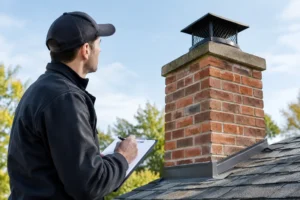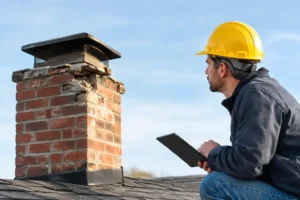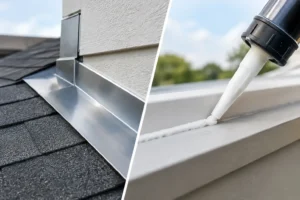
A chimney can look solid from the ground while hiding problems that put your home at risk. Loose mortar, a cracked flue liner, a failing chimney cap, or water entering around the flashing may not be obvious until you smell smoke indoors, see staining on a ceiling, or face a larger repair bill. Knowing how to schedule chimney inspection service before those warning signs become emergencies is one of the most practical ways to protect your home.
For most New Jersey homeowners, the process is simple: choose a qualified local contractor, explain what you have noticed, select the right inspection level, and book a time when the chimney can be safely accessed. The key is not waiting until the first fire of the season or until a leak becomes active.
When to Schedule a Chimney Inspection
If you use a fireplace, wood stove, or other solid-fuel appliance, schedule a professional chimney inspection at least once a year. Annual service gives a qualified technician the chance to check for creosote buildup, blockages, damaged liners, cracks, loose masonry, and other conditions that can affect safe operation.
Late summer through early fall is often a smart time to book. You can address problems before cold weather arrives, and your chimney is ready before you rely on it for heat. That said, there is no wrong season to schedule an inspection. A chimney leak in spring, an animal nest in summer, or smoke backing into the room in winter all deserve prompt attention.
Schedule sooner than your regular annual visit if you notice smoke entering the house, a strong smoky or musty odor, white staining on brick, crumbling mortar, rust around the damper or firebox, water spots near the chimney, or pieces of tile or masonry in the fireplace. These signs do not always mean the same repair is needed, but they do mean the system should be evaluated instead of guessed at.
Choose the Right Type of Inspection
Not every chimney inspection has the same scope. The right choice depends on how you use the chimney, whether the system has changed, and whether there are visible concerns.
Level 1 inspections for routine maintenance
A Level 1 inspection is generally appropriate for a chimney that has been used normally, has not been altered, and has no known performance problems. The technician reviews readily accessible portions of the chimney and venting system, checks the structure and basic function, and looks for obvious obstruction or buildup concerns.
This is the typical starting point for annual maintenance. If sweeping is needed, it can often be planned with the inspection so the technician can assess the flue in cleaner, safer condition.
Level 2 inspections after changes or warning signs
A Level 2 inspection is more detailed. It is commonly recommended after a chimney fire, storm damage, a property sale, a major appliance change, or a suspected issue inside the flue. This level often includes video scanning of the interior so hidden cracks, liner damage, offsets, and obstructions can be identified.
If you are buying a home with a fireplace, do not assume a standard home inspection tells the full chimney story. A dedicated chimney inspection can reveal issues that are not visible from the roofline or firebox.
Level 3 inspections for suspected hidden damage
A Level 3 inspection may be necessary when a Level 1 or Level 2 inspection finds signs of a serious concealed problem. It can involve removing limited portions of a wall, chimney structure, or surrounding material to access the area safely. This is not routine, but it can be the right next step when structural safety is in question.
A dependable contractor should explain why a higher-level inspection is needed before proceeding. You should understand what is being checked, what access is required, and what the added work may cost.
How to Schedule a Chimney Inspection Step by Step
Start by contacting a fully insured, experienced chimney contractor that performs inspections as part of its regular service work. A company that also handles sweeping, masonry repair, liners, caps, crowns, flashing, waterproofing, and chimney rebuilding can diagnose the full system rather than focusing on only one visible issue.
When you call or request an appointment, share the basics: whether the chimney serves a fireplace, wood stove, furnace, or other appliance; how often it is used; when it was last cleaned or inspected; and any problems you have noticed. Mention leaks, smoke, odors, birds or animals, falling debris, cracked brick, or recent storm damage. Clear details help the contractor schedule enough time and bring the right equipment.
Next, ask whether the appointment includes sweeping, a camera inspection, roof-level access, and a written assessment. Routine inspections are not always identical, so it helps to know what is included before the technician arrives. If repairs are found, ask for a clear estimate that separates immediate safety needs from recommended preventive work.
Finally, choose an appointment window when an adult homeowner can be present. You do not need construction knowledge, but you should be available to describe concerns, approve access, and review the findings. If the fireplace or stove is in use, let it cool completely before the visit. Move furniture, rugs, decorations, and stored items away from the hearth area so the crew can work safely and protect the room.
Questions Worth Asking Before You Book
A quick phone call can tell you a lot about the contractor you are considering. Ask whether the company is insured, what type of inspection it recommends for your situation, and whether the technician can inspect both the interior flue and exterior chimney components.
You should also ask how findings will be documented. Photos, video footage when appropriate, and a straightforward explanation make it easier to understand the condition of your chimney. Be cautious with vague statements that pressure you into a major repair without showing you the issue or explaining the risk.
Price matters, but the lowest inspection offer is not always the best value. A rushed visit that overlooks damaged flashing, a cracked crown, or a deteriorated liner can leave the actual problem unresolved. Look for fair, transparent pricing and a contractor willing to explain options without making every issue sound like an emergency.
What Happens During the Appointment
A professional inspection usually begins with questions about the chimney’s use and any changes you have noticed. The technician then checks accessible interior and exterior areas, including the firebox, damper, smoke chamber, flue, chimney cap, crown, brickwork, mortar joints, and roof flashing where applicable.
If the chimney needs cleaning, the crew should use appropriate containment methods to keep soot and debris from spreading into your living space. Exterior work may require roof access, so weather conditions can affect scheduling. Heavy rain, high winds, ice, or unsafe roof conditions may require the appointment to be moved. That is not an inconvenience – it is a safety decision that protects both your property and the workers.
After the inspection, ask the technician to walk you through the results. A good assessment distinguishes between conditions that need immediate attention, repairs that should be planned soon, and maintenance items that can be monitored. For example, an active flue safety concern should not wait, while minor cosmetic mortar wear may be handled as part of planned masonry maintenance.
Do Not Put Off Water-Related Chimney Problems
Water is one of the most damaging forces affecting chimneys in New Jersey. Freeze-thaw cycles can turn small cracks in a crown or mortar joint into loose brick, spalling masonry, and interior leaks. Water can also enter through missing caps, faulty flashing, or porous masonry, then travel into framing, ceilings, and walls.
If you see water around the fireplace, staining near the chimney, damp masonry, or rust on metal chimney parts, schedule an inspection promptly. The fix may be as focused as a cap replacement, crown repair, flashing repair, or waterproofing treatment. If deterioration has progressed, more extensive masonry restoration may be needed. The inspection is what separates a targeted repair from expensive trial and error.
Book Before a Small Problem Becomes a No-Use Notice
Your chimney should be a source of comfort, not a question mark every time you light a fire or see rain in the forecast. Scheduling annual service gives you time to make informed decisions, plan repairs around your budget, and keep your home protected through every season. If something looks, smells, or performs differently, trust that signal and arrange a professional inspection before using the chimney again.