You usually notice an ice dam after the damage starts. Water stains on a ceiling, wet insulation in the attic, or a gutter packed with heavy ice are often the first real warning signs. If you are searching for how to stop roof ice dams, the fix is rarely just about the ice you can see from the ground. The real cause is almost always heat escaping through the roof system.
Ice dams form when warm air from the house rises into the attic and heats the roof deck. Snow on the upper part of the roof begins to melt, then that water runs down to the colder eaves and refreezes. Over time, that ridge of ice blocks proper drainage. The next melt has nowhere to go, so water backs up under shingles and into the home.
That is why quick fixes only go so far. Chipping ice away may remove the visible buildup, but it does not correct the heat loss, ventilation problems, or roof weak points that allowed the problem to start.
How to stop roof ice dams at the source
The most reliable way to stop ice dams is to keep the roof surface as close to a consistent cold temperature as possible in winter. That sounds backwards to some homeowners, but a cold roof is usually a healthier roof during snow season. The goal is not to heat the roof. The goal is to stop indoor heat from reaching it.
In most homes, that means looking at three connected areas: attic insulation, attic ventilation, and air sealing. If one of those is weak, the whole system can struggle.
Start with attic air leaks
Before adding insulation, it helps to stop warm indoor air from leaking into the attic. Common trouble spots include attic hatches, recessed lights, bathroom fan openings, plumbing penetrations, and gaps around chimneys or vent stacks. Even small openings can let a surprising amount of warm air rise into the attic over the course of a winter.
This matters because insulation slows heat transfer, but it does not stop moving air very well if the attic floor has open gaps. If warm air is pouring upward, the roof deck above can still heat unevenly. Sealing those pathways first usually gives better results than simply piling on more insulation.
Make sure insulation is doing its job
Uneven or compressed insulation is a common reason ice dams keep coming back. If one section of the attic floor is thin and another is well covered, the roof above warms at different rates. That uneven melting pattern is exactly what leads to refreezing at the eaves.
The right insulation level depends on the home, the attic layout, and what is already in place. More is not always better if soffit vents get blocked in the process. Baffles may be needed to keep insulation from choking off airflow at the roof edge. A balanced setup matters more than one oversized upgrade done without a plan.
Check attic ventilation
A properly ventilated attic helps move out excess heat and moisture. In many homes, outside air enters through soffit vents and exits through ridge vents or other high vents. When that path is blocked or incomplete, warm air can linger under the roof.
Ventilation is not a cure-all, and that is where homeowners sometimes get mixed messages. If major air leaks and insulation problems are ignored, adding vents alone may not solve much. But when ventilation is paired with good air sealing and insulation, it helps the roof stay colder and more consistent.
Roof conditions that make ice dams worse
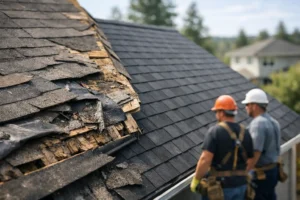
Even when the attic is the main cause, the roof itself still matters. Old shingles, damaged flashing, worn underlayment, or areas with poor drainage can turn a manageable winter issue into a leak.
If water backs up behind ice, it will test every weak point on the roof. A roof in good condition has a better chance of resisting that pressure. A roof with loose shingles, exposed fasteners, or aging valleys is more likely to let water through.
Pay attention to the eaves and flashing
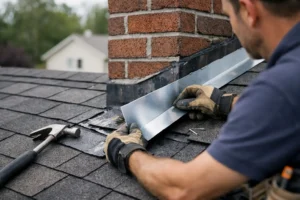
The eaves are where refreezing usually happens, so they take the brunt of the problem. Flashing around chimneys, skylights, walls, and roof penetrations can also become vulnerable if backed-up water sits there long enough. This is one reason ice dams sometimes show up alongside chimney leaks or interior staining near roof intersections.
If a roof has had repeated winter leaks, it is worth checking whether the issue is only heat loss or whether the roof covering has already been compromised. In some cases, you need both attic corrections and targeted roof repairs to get lasting results.
What homeowners can do during winter
If an ice dam is already forming, the safest immediate goal is to reduce stress on the roof and limit water intrusion. That does not always mean climbing up and attacking the ice. In fact, that is where a lot of homeowners get hurt or accidentally damage shingles and gutters.
Using a roof rake from the ground to remove fresh snow near the roof edge can help reduce the amount of meltwater feeding the dam. The key is to work carefully and avoid scraping the roofing material. Removing the lower few feet of snow after a storm often helps more than waiting until thick ice has already formed.
You may also hear about filling fabric tubes or socks with calcium chloride to melt channels through the ice. That can help drainage in some situations, but it is a short-term measure, not a full repair. It also needs to be done carefully. Rock salt can damage roofing materials, landscaping, and metal components.
What not to do
Avoid hacking at the ice with a shovel, hammer, or metal tool. That can tear shingles, loosen flashing, and create repair costs that outlast the winter. It is also risky to use ladders around icy walkways and overhangs.
Portable heat cables are another mixed bag. They can help in problem areas when installed correctly, but they should not be treated as the main answer to how to stop roof ice dams. Heat cables manage symptoms. They do not fix the attic conditions causing the melt in the first place. In some homes, they are a reasonable supplement. In others, they become an expensive workaround for a bigger issue.
How to tell if your house is prone to ice dams
Some homes are simply more vulnerable because of their design. Complicated rooflines, long eaves, multiple valleys, cathedral ceilings, and older insulation setups can all increase the chance of trouble. Homes that have had additions built over time may also have inconsistent attic conditions from one section to another.
Warning signs include large icicles along the gutter line, snow melting unevenly across the roof, recurring leaks after snowstorms, and cold drafts or uneven temperatures inside the home. If one room is always colder and the roof above it develops more ice, that pattern can point to insulation gaps or air leakage.
In New Jersey, winter weather often swings above and below freezing, which is exactly the kind of cycle that feeds ice dam formation. A roof can thaw during the day and refreeze hard at night. That repeated cycle makes small weaknesses show up fast.
When it is time to bring in a professional
If you have repeated ice dams, interior water stains, or visible sagging in gutters or roof edges, it is time for a closer inspection. The best solution often comes from looking at the whole assembly, not just one symptom. A contractor should be evaluating attic heat loss, insulation coverage, ventilation flow, roof condition, flashing details, and the points where water is most likely getting in.
That kind of inspection matters because different homes fail in different ways. One house may need attic air sealing and better insulation. Another may need roof repair along the eaves and chimney flashing. Another may have ventilation blocked by past work. There is no single product that fixes every ice dam problem.
For homeowners who want a lasting answer, this is where an experienced exterior contractor earns their keep. A company like Adore Construction approaches the problem from both sides – what is happening under the roof and what is happening on top of it. That is the difference between a winter patch and a repair plan that protects the house long term.
The best long-term mindset
If you want to prevent ice dams year after year, think beyond the next storm. The strongest approach is preventive maintenance before winter starts. A roof check, attic review, insulation corrections, flashing repairs, and safe snow management plan can save you from emergency calls during the coldest part of the season.
Ice dams are frustrating because they look like a roof problem, but they are often a house system problem. Once you treat them that way, the fix becomes much clearer. Protect the attic, protect the roof, and the ice usually loses the conditions it needs to build in the first place.
A dry ceiling in February is rarely the result of luck. It usually comes from fixing the right problem before the snow ever falls.