A hard New Jersey windstorm can leave a roof looking perfectly normal from the driveway while creating a weak point that lets in water weeks later. So, can wind damage roof shingles? Absolutely. Wind can lift, crease, loosen, crack, or tear shingles away from the roof deck, especially on aging roofs or roofs with previous installation issues. Acting early can be the difference between a focused roof repair and damage to insulation, ceilings, framing, and interior finishes.
How Wind Damages Roof Shingles
Roof shingles are designed to overlap and seal together, creating a layered barrier against rain. Strong winds work against that design by getting underneath exposed shingle edges. Once wind breaks the seal or lifts a shingle, every storm that follows has a better opportunity to force water beneath it.
The most obvious damage is a missing shingle. But visible loss is not the only concern. A shingle may be lifted and set back down in the wrong position, leaving a broken seal that cannot reliably protect the roof. It may also crease along the lifted area. That crease can weaken the shingle even if it still appears to be lying flat.
Wind damage often starts around the roof’s most exposed areas: ridges, hips, eaves, corners, valleys, and sections near chimneys, vents, skylights, and dormers. These areas experience more wind pressure and depend on correctly installed flashing and sealed materials to keep water out.
Can Wind Damage Roof Shingles Without Blowing Them Off?
Yes. Wind damage does not need to be dramatic to be serious. Shingles can be loosened, creased, cracked, or unsealed without ending up in the yard. Granule loss can also occur when wind-driven debris scrapes the roof surface. Those granules help protect asphalt shingles from sunlight and weathering, so bare spots may shorten the roof’s service life.
A roof that is already older, brittle, or near the end of its expected lifespan is more likely to suffer hidden damage. Temperature swings, moisture, sun exposure, and years of normal expansion and contraction weaken the materials over time. A gust that a newer roof handles without trouble may lift or crack shingles on an aging one.
Installation quality matters, too. Inadequate fastening, poorly placed nails, missing starter strips, insufficient adhesive sealing, or improperly installed ridge caps can make shingles more vulnerable. This is why a careful inspection should look beyond the shingles themselves and assess how the entire roof system is performing.
Signs to Look for After Heavy Winds
Start with a safe walk around your property. Do not climb onto the roof or lean a ladder against gutters just to get a closer look. Storm-damaged roofs can be slippery, unstable, and more dangerous than they appear.
From the ground, look for shingles or pieces of shingles in the yard, loose ridge-cap material, exposed dark areas on the roof, or sections that appear uneven. Check around downspouts and landscaping for asphalt granules that look like coarse black sand. A small amount can be normal, particularly on a newer roof, but a noticeable accumulation after a storm deserves attention.
Inside the home, inspect the attic and upper ceilings. New water stains, damp insulation, musty odors, peeling paint, or a drip during or after rainfall can point to a roof opening. Water does not always enter directly above the stain you see. It can travel along framing or roof decking before reaching the ceiling, which makes a professional assessment valuable.
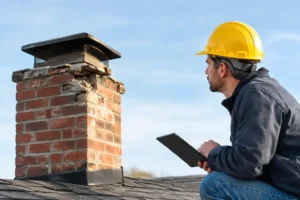
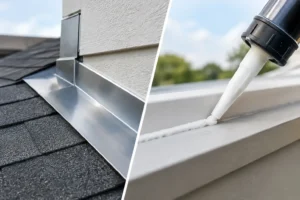
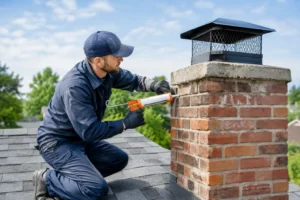
Pay close attention to the chimney area. Chimney flashing is a common location for wind-driven rain to enter because it joins two different surfaces: masonry and roofing. Wind can loosen flashing, open failing sealant, or expose gaps at the base of the chimney. If your chimney has damaged mortar, a cracked crown, or missing cap components, the storm may have affected more than the shingles.
What to Do When You Suspect Wind Damage
If you see a missing shingle, active leak, or loose material, take reasonable steps to protect the home without putting yourself at risk. Move belongings away from leaks, place a container under dripping water, and document visible damage with photos from the ground and inside the home. Keep any shingles or pieces of material you find if they can be collected safely.
Then arrange a roof inspection promptly. A qualified contractor can check for lifted or creased shingles, damaged underlayment, exposed fasteners, compromised flashing, and storm-related problems around vents and chimneys. The goal is not simply to find a missing shingle. It is to determine whether the roof still has a dependable water-shedding system.
Avoid waiting for a larger leak before scheduling service. Water can enter in small amounts and remain hidden in the roof deck or attic. Over time, that moisture can lead to wood rot, mold growth, insulation damage, and deteriorated drywall. A timely repair is usually less disruptive and less expensive than correcting widespread water damage.
It is also wise to be cautious after major storms. Homeowners may hear from contractors offering immediate repairs without a clear inspection process, written scope of work, or proof of insurance. Choose a local, insured professional who explains what was found, what repair is recommended, and why that repair is appropriate for your roof.
Repair or Replacement: What Makes Sense?
The right solution depends on the age and condition of the roof, the extent of the damage, and whether water has reached underlying materials. If wind lifted or removed a small number of shingles and the surrounding roof is in good condition, a targeted repair may restore protection. Matching replacement shingles can be more difficult on an older roof, but proper installation and secure sealing remain the priority.
Replacement may be the better value when damage is widespread, shingles are brittle throughout the roof, repeated repairs are becoming common, or the roof is already near the end of its useful life. A new roofing system also provides an opportunity to address old flashing, ventilation concerns, and vulnerable chimney transitions that may have contributed to leaks.
No responsible contractor should recommend a full replacement based only on a quick glance from the ground. At the same time, patching an exhausted roof over and over can cost more in the long run. A clear inspection and honest estimate help homeowners make a decision based on the condition of the home, not pressure.
Protecting Your Roof Before the Next Storm
You cannot control the wind, but routine maintenance can reduce the chance that a storm turns into an emergency. Keep gutters clear so water can drain properly, trim dead or overhanging branches, and have loose flashing or damaged shingles repaired before severe weather arrives. Regular chimney maintenance is also part of roof protection, since cracked masonry, deteriorated crowns, and failed flashing can create pathways for water.
After high-wind events, a professional inspection can provide peace of mind even when there is no obvious leak. Adore Construction helps New Jersey homeowners identify roofing and chimney issues early, explain the repair options clearly, and complete work built for lasting protection.
A windstorm may be over in a few hours, but its effect on your roof can continue until the next rainfall. If something looks out of place or your home shows any sign of water intrusion, getting it checked now is a practical way to protect the home you have worked hard to maintain.