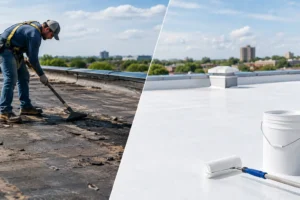
A small brown stain on the ceiling rarely stays small for long. If you are asking, can roof leaks cause mold growth, the short answer is yes – and it can happen faster than many homeowners expect.
A roof leak creates exactly what mold needs: moisture, darkness, and organic material to feed on. Drywall, insulation, wood framing, and even dust trapped in attic spaces can support growth once they stay damp long enough. The leak itself may look minor from inside the house, but the moisture often spreads beyond the visible stain.
Can roof leaks cause mold growth in every home?
Not every roof leak turns into a mold problem right away, but any active leak increases the risk. The real question is not whether mold is possible. It is how long the area stays wet, where the water travels, and how quickly the problem gets repaired.
A slow drip around flashing may dampen roof decking and insulation for weeks before it shows up indoors. In that time, mold can begin growing out of sight in the attic or inside the ceiling cavity. A larger leak after a storm can soak materials faster and trigger a more obvious problem, but even a small leak can cause serious damage when it goes unnoticed.
Humidity also matters. In a humid climate or during a stretch of wet weather, building materials dry more slowly. Poor attic ventilation can make that worse. That is one reason homeowners sometimes find mold near roof leaks even when the ceiling damage looks limited.
How a roof leak turns into a mold problem
Water from a damaged roof rarely falls in a neat straight line. It can travel along rafters, run behind insulation, pool above ceilings, or seep into wall cavities. By the time you notice a stain, the affected area may already be much larger than it appears.
Once moisture enters porous materials, mold spores already present in the air can settle and begin growing. They do not need standing water. Persistent dampness is enough. If insulation stays wet, it loses effectiveness and holds moisture close to wood framing. If drywall gets saturated, the paper facing becomes an easy food source for mold.
That is why leak repairs should never stop at patching the visible spot on the roof. The surrounding materials need to be checked too. Otherwise, the leak may be fixed while the moisture damage keeps developing underneath.
Where mold usually shows up after a roof leak
The attic is one of the most common places. Homeowners often do not go up there often, so leaks and mold can spread without being noticed. You may see dark spotting on roof sheathing, damp insulation, or a musty smell that gets stronger in warm weather.
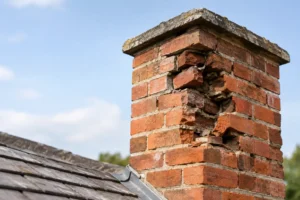
Ceilings and upper walls are also common trouble areas, especially around chimneys, roof penetrations, skylights, and valleys. Flashing failures in these areas can let water enter slowly over time. If the leak is near a chimney, damaged flashing or masonry issues may be part of the problem, not just the shingles.
In some homes, water travels far from the entry point. A leak near the roof peak can appear as staining much lower on a wall. That is one reason proper inspection matters. Guessing at the source can waste time while hidden moisture continues to spread.
Signs the leak may already be causing mold
A ceiling stain is the obvious warning sign, but it is not the only one. A musty odor in an upstairs room or attic often points to trapped moisture. Peeling paint, bubbling drywall, warped trim, and damp insulation are all red flags.
Visible mold may appear as black, green, gray, or brown spotting, but color alone does not tell you how severe the problem is. Some growth stays hidden behind drywall or above ceiling surfaces. If someone in the home starts noticing more irritation, coughing, or allergy-like symptoms in a specific room, that can also be a clue that moisture and mold are present, though the house should be inspected rather than diagnosed by symptoms alone.
If the roof recently leaked during a storm and the materials are still wet, the window to prevent mold may still be open. Fast drying and proper repair can make a major difference.
Why delaying roof repair makes everything worse
Many homeowners try to wait out a leak, especially if the drip stops after the rain ends. That is where costs tend to rise. Water damage is rarely limited to the first material it touches.
A leak that is left alone can damage decking, framing, insulation, ceilings, interior paint, and nearby masonry. Mold is only one part of the problem. Over time, wood rot, sagging materials, and weakened structural sections can follow. The repair moves from a targeted fix to a broader restoration job.
There is also the issue of finding the true source. Water intrusion around chimneys, vent pipes, and flashing details can be mistaken for a simple shingle problem. If the wrong issue gets patched, the leak keeps returning. For homeowners, that means repeated staining, repeat service calls, and more interior damage.
What to do if you suspect mold from a roof leak
Start by treating the leak as urgent, even if it seems minor. Contain any active water inside the home and move belongings away from the affected area. If it is safe to do so, check the attic for wet insulation, dark staining, or visible signs of moisture on the underside of the roof.
The next step is to have the roof and related exterior components professionally inspected. That includes shingles, flashing, roof penetrations, and chimney areas if they are nearby. The goal is to find the actual entry point, not just the interior symptom.
If materials inside the home are wet, they may need to be dried, removed, or replaced depending on how long the leak has been active. Some situations call for mold remediation in addition to roof repair. It depends on the extent of contamination, where the growth is located, and whether the affected materials can be safely cleaned.
The biggest mistake is fixing only the ceiling stain or repainting the damaged area before the leak is resolved. Cosmetic repairs do not stop moisture.
Can roof leaks cause mold growth even after the leak is fixed?
Yes, if wet materials are left behind. Stopping the water entry is the first priority, but it is not always the last step. Insulation, drywall, and wood that stayed damp for too long may continue supporting mold growth even after the roof no longer leaks.
That is why a complete response matters. A proper repair addresses the source of the leak and checks the affected area for trapped moisture. In some cases, the damage is limited and dries out cleanly. In others, materials need to be removed to prevent a lingering problem.
This is especially true with hidden leaks around flashing and chimneys. Water may enter during storms, dry partially, then get wet again with the next rainfall. That cycle can go on for months before the homeowner realizes the issue is not isolated.
How to lower the risk in the future
Routine roof inspections help catch small failures before they become interior moisture problems. Missing shingles, cracked flashing, damaged chimney components, and worn sealants can all allow water into the home. After strong storms, it is smart to look for early signs instead of waiting for stains to appear indoors.
Attic ventilation also plays a role. A poorly ventilated attic holds heat and moisture, which slows drying and increases the chance of mold when leaks happen. Good ventilation will not stop a leak, but it can reduce the conditions that help mold spread.
Maintenance matters too. Keeping gutters clear, monitoring flashing around chimneys and vents, and repairing minor roof damage early can prevent much larger issues later. For many homeowners, the most cost-effective move is not emergency repair. It is staying ahead of the problem.
When homeowners call Adore Construction about a leak, the real concern is usually bigger than a drip. They want to know their home is protected, the source will be found, and the repair will hold.
If you have a roof leak or a fresh ceiling stain, do not wait to see what happens after the next storm. Water rarely gets better on its own, and neither does mold.