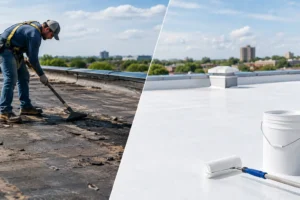
A roof can look perfectly sound from the driveway and still have a weak point underneath its shingles, slate, or metal panels. Roof underlayment is the layer between the roof deck and the finished roofing material. Choosing the best roof underlayment for homes matters because this layer helps manage wind-driven rain, small leaks, and moisture that gets past the outer roof covering.
For New Jersey homeowners, that protection has to stand up to heavy rain, snow, ice, humidity, and changing temperatures. There is no single underlayment that is right for every roof. The best choice depends on your roof’s slope, roofing material, vulnerable areas, and the condition of the existing deck.
What Roof Underlayment Actually Does
Underlayment is a secondary water-resistant barrier. It is not meant to replace damaged shingles, loose flashing, failed chimney masonry, or a leaking roof vent. Its job is to provide another layer of defense when the outer roofing system is exposed to severe weather or when water gets where it should not.
A properly selected and installed underlayment can help protect the plywood or wood decking below. That matters because wet decking can lead to rot, mold, soft spots, and costly structural repairs. It also gives roofers a clean, stable surface to work over during installation.
The material should be chosen as part of the complete roofing system. Chimney flashing, valleys, pipe boots, roof-to-wall transitions, ventilation, and edge protection all affect how well a roof keeps water out.
Best Roof Underlayment for Homes: The Main Options
Most residential roofing projects use one of three underlayment categories: asphalt-saturated felt, synthetic underlayment, or self-adhered membrane. Each has a practical place, and each comes with trade-offs.
Asphalt-Saturated Felt
Felt underlayment has been used on residential roofs for generations. It is made from a base material saturated with asphalt and is commonly sold in lighter and heavier grades. It remains a familiar, budget-conscious option for standard asphalt shingle roofs.
Its main benefit is cost. Felt can be an appropriate choice on straightforward roofing projects when the roof deck is in good condition and the installer can complete the job without leaving it exposed to weather for long.
The drawback is that felt is heavier, can wrinkle when wet, and may tear more easily than newer materials. It also does not handle prolonged exposure as well as many synthetic products. Homeowners should not assume felt is inferior in every situation, but it requires careful installation and is less forgiving when weather delays happen.
Synthetic Underlayment
Synthetic underlayment is often the best all-around choice for many homes. It is lightweight, tear-resistant, and easier for crews to handle safely on a roof. Many products also offer better resistance to moisture and ultraviolet exposure than traditional felt.
For a typical asphalt shingle replacement, quality synthetic underlayment provides dependable coverage without adding unnecessary cost. It is especially useful when a roof has several planes, dormers, or areas where the crew needs stable footing and durable material during installation.
Not every synthetic underlayment performs the same way. Thickness, fastening requirements, approved roof coverings, and exposure ratings vary by manufacturer. A contractor should use a product that meets the roofing manufacturer’s specifications and is suitable for the local building requirements.
Self-Adhered Ice and Water Membrane
Self-adhered membrane, commonly called ice and water shield, sticks directly to the roof deck. It forms a tighter seal around fasteners and offers strong protection in areas where water tends to back up or move slowly.
This material is particularly valuable along eaves, in valleys, around chimneys, at skylights, and near roof penetrations. In colder climates, it helps protect against ice dams, which occur when melting snow refreezes near the roof edge and forces water beneath the shingles.
Self-adhered membrane costs more than felt or standard synthetic underlayment, so covering an entire roof with it is not always necessary. On low-slope areas or roofs with complicated details, however, full coverage may be a smart investment. The right approach depends on the roof design and the manufacturer’s system requirements.
Match the Underlayment to Your Roofing Material
The roofing material on top should guide the decision. Asphalt shingles typically perform well with synthetic underlayment plus self-adhered membrane at eaves, valleys, and other high-risk areas. This combination gives homeowners solid weather protection at a reasonable cost.
Metal roofing needs special attention. Metal panels can create condensation concerns, and some underlayments are better suited to high temperatures or specific metal roofing systems. A high-heat-rated underlayment may be necessary, particularly under darker metal roofs that absorb more heat.
Slate and tile roofs are long-lasting materials, but they depend on the underlayment beneath them to protect the deck. Because replacing underlayment under slate or tile can be labor-intensive, homeowners should avoid treating it as a place to cut corners. A durable synthetic product or approved self-adhered system may provide better long-term value.
Low-slope roofing is another separate category. Standard shingle underlayment is not automatically appropriate where water drains slowly. EPDM, PVC, torch-down, silicone, and other low-slope systems require materials and installation methods designed for that type of roof.
Where Extra Protection Matters Most
A roof does not fail only in the open field of shingles. Most leaks begin at transitions and penetrations, where different materials meet and water has more opportunities to work its way inside.
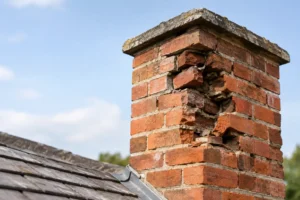
Chimneys are a prime example. Step flashing, counterflashing, cricket construction where needed, and properly integrated underlayment all work together. If the underlayment is cut carelessly around a chimney or the flashing is installed incorrectly, water can reach the roof deck and the masonry area below.
Valleys deserve the same attention because they carry a large volume of rainwater. Roof vents, skylights, pipe boots, and sidewalls also need correct membrane details. A good roofing installation does not simply roll out material across the deck. It treats vulnerable areas as part of a complete water-management system.
Do Not Let Underlayment Hide Deck Problems
Underlayment cannot repair weak, rotten, or delaminated roof decking. Before new material goes down, the roof deck should be inspected for water damage, soft areas, missing fasteners, and uneven sections.
This step is especially important when replacing an older roof with multiple layers of shingles. A leak may have been hidden for years. Covering damaged decking can lead to sagging, failed fasteners, and another repair sooner than expected.
A responsible contractor will explain what is found after the old roofing is removed and provide clear pricing for necessary deck repairs. That is not an upsell. It is how the new roofing system gets the solid base it needs to perform properly.
Installation Quality Is Just as Important as Material
Even premium underlayment can fail if it is installed with poor overlaps, incorrect fasteners, exposed seams, or rushed details around chimneys and valleys. The roof deck must be dry and prepared correctly. Materials need to be installed according to the manufacturer’s instructions, including overlap distances and fastening patterns.
Timing also matters. Underlayment should not be left exposed longer than its approved exposure period. Weather can change quickly in New Jersey, and a roofing crew should plan the work so the roof is protected each day.
When comparing roofing estimates, ask what underlayment is included, where self-adhered membrane will be installed, and whether the proposal covers flashing work around the chimney and other penetrations. A low price may leave out materials that make a real difference during the next hard rain.
The best underlayment is the one that fits your roof, protects its most vulnerable areas, and is installed by a crew that treats every layer as part of the job. A careful roofing inspection before replacement can help you make that decision with confidence and prevent small water issues from becoming major repairs.