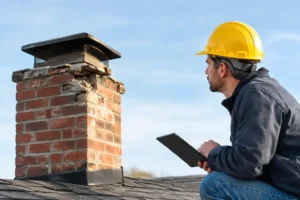
A chimney leak rarely starts as a dramatic problem. It often begins with a faint ceiling stain, damp attic insulation, peeling paint near the fireplace, or a musty smell after a hard rain. The best options for chimney flashing are the ones matched to your roof, chimney condition, and local weather – then installed as a complete water-shedding system, not patched with caulk alone.
For New Jersey homeowners, flashing has to stand up to heavy rain, snow, wind, freeze-thaw cycles, and years of movement between the roof and masonry. The right material matters, but workmanship matters just as much. A premium metal flashing installed incorrectly can fail sooner than a properly installed, more affordable option.
What Chimney Flashing Needs to Do
Chimney flashing is the metal system that seals the joint where your chimney meets the roof. This area is especially vulnerable because the roof and chimney are made of different materials that expand, contract, and shift differently over time.
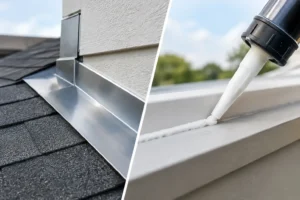
A complete flashing system typically includes an apron at the front of the chimney, step flashing along the sides, and back flashing at the uphill side. Larger chimneys may also need a cricket, sometimes called a saddle, to direct water around the chimney instead of allowing it to pool behind it. Counterflashing then covers the upper edge of the base flashing and is secured into the chimney’s mortar joints.
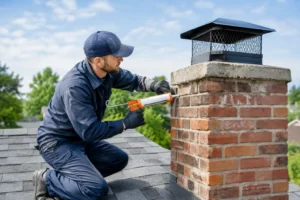
That layered design is what keeps water moving down and away from the home. Sealant has a role, but it should support the installation, not be the only thing stopping rainwater from entering.
Best Options for Chimney Flashing by Material
Copper flashing for long-term durability
Copper is one of the strongest options for chimney flashing, especially on older homes, slate roofs, tile roofs, and high-end roofing systems. It is naturally corrosion-resistant, handles weather well, and can last for decades when properly formed and installed. Over time, copper develops a darker patina, which many homeowners appreciate on traditional masonry chimneys.
The trade-off is cost. Copper costs more than aluminum or galvanized steel, both for material and installation. It is often the right investment when the roof itself has a long expected life or when you want a repair that will not need attention again in the near future.
Copper flashing should be installed with compatible fasteners and materials. Mixing incompatible metals can cause corrosion, so the details matter as much as the metal choice.
Aluminum flashing for affordable roof repairs
Aluminum is a common choice for chimney flashing because it is lightweight, readily available, and budget-friendly. It works well on many asphalt shingle roofs and can be painted or finished to better match the roof and trim.
However, aluminum is not the best fit for every chimney. It can corrode when it comes in direct contact with certain masonry materials, especially where moisture, mortar, and old brickwork are involved. It may also be more easily damaged than copper in areas exposed to heavy ice or foot traffic during roof service.
For a straightforward flashing replacement on a standard shingle roof, properly protected aluminum can provide dependable service at a fair price. The key is using the right underlayment, sealants, fasteners, and counterflashing detail to keep the metal protected.
Galvanized steel for practical protection
Galvanized steel flashing is another practical option for many residential roofs. Its zinc coating protects the steel underneath from rust, and it offers more rigidity than aluminum. It is often used on asphalt shingle systems where homeowners need a solid repair without moving into copper-level pricing.
The limitation is that galvanized coatings can wear down over time. Once exposed steel begins to rust, the flashing can deteriorate quickly, particularly in wet areas where leaves, snow, or debris collect behind the chimney. Regular roof and chimney maintenance can help catch this issue before it becomes a leak inside the home.
Galvanized steel is a sensible middle-ground material when the existing roof has a moderate remaining lifespan and the chimney masonry is in good condition.
Lead or lead-coated copper for complex masonry details
Lead has traditionally been used around chimneys because it is easy to shape around irregular brick, stone, and mortar joints. It remains useful in certain restoration projects and complicated roof-to-masonry transitions. Lead-coated copper combines much of copper’s durability with a more muted appearance.
These materials are typically best handled by experienced professionals. Lead requires proper safety practices, and both options need careful fabrication to prevent weak points at seams and corners. They may not be necessary for every home, but they can be excellent choices for historic properties or detailed masonry work where standard flashing will not fit correctly.
The Flashing Design Matters More Than a Quick Patch
A chimney flashing job should be evaluated as a system. If water is entering around the chimney, replacing one visible strip of metal may not solve the actual problem. Damaged mortar joints, cracked chimney crowns, missing shingles, failing underlayment, or loose counterflashing can all allow water behind the roof surface.
Proper counterflashing is especially important. Rather than simply fastening metal to the face of the brick and covering the edge with roofing cement, quality counterflashing is commonly set into a mortar joint or reglet. This gives water a protected path away from the wall and reduces dependence on surface sealant.
For wider chimneys, a cricket is often one of the best upgrades a homeowner can make. Without one, rain and melting snow can build up behind the chimney, where debris also tends to collect. A properly sized cricket directs water to both sides of the chimney and reduces pressure on the back flashing.
Matching Flashing to Your Roof Type
Asphalt shingle roofs are usually compatible with aluminum, galvanized steel, or copper flashing. The roof’s remaining life should guide the decision. If the shingles are near the end of their service life, it may make more sense to coordinate flashing replacement with roof replacement instead of paying to disturb a newer flashing repair later.
Slate and tile roofs generally call for more durable, carefully formed materials, often copper. These roofing systems can last for generations, and a short-lived flashing material can become the weak point that causes expensive repairs.
Low-slope roofing, including EPDM, PVC, torch-down, and silicone systems, requires a different approach. The chimney transition must be tied into the roofing membrane or coating system correctly. A flashing method that works well on shingles may fail on a flat or low-slope roof, where water drains more slowly and seams face more standing moisture.
Signs Your Chimney Flashing Needs Attention
Water stains near the chimney are the most obvious warning, but they are not the only sign. Rusted metal, lifted shingles beside the chimney, cracked sealant, loose flashing edges, deteriorated mortar joints, and moss or debris collecting behind the chimney all deserve a closer look.
Inside the attic, look for damp roof decking, dark streaks, wet insulation, or a persistent mildew smell near the chimney. Outside, pay attention to missing mortar around the counterflashing or brick damage near the roofline. Water entering at this point can damage framing, insulation, ceilings, and masonry before it becomes visible indoors.
A leak does not always mean the entire flashing system must be replaced. If the metal is sound and the issue is limited to a small area, a targeted repair may be enough. But repeated sealant failures, rust, loose counterflashing, or widespread deterioration usually point to replacement as the more reliable and cost-effective choice.
Choose Workmanship That Protects the Whole Area
The lowest quote is not always the lowest cost. A rushed repair that relies heavily on tar or caulk may look acceptable for a season, then fail during the next stretch of heavy rain or winter weather. A professional evaluation should account for the roof covering, chimney masonry, counterflashing, underlayment, drainage behind the chimney, and any signs of interior water damage.
At Adore Construction, chimney and roofing work is approached with the goal of stopping the current problem while preventing the next one. The right flashing material is part of that protection, but careful installation and honest assessment are what make the repair last.
If you see staining, rust, loose metal, or recurring leaks around your chimney, address it before another storm turns a manageable repair into interior damage. A clear inspection can show whether a focused flashing repair, masonry repair, chimney cricket, or larger roof solution is the best path forward.