A fireplace should make a home feel comfortable, not leave the living room smelling like wet ash, smoke, or something dead. If you are asking, why does my chimney smell bad, the odor is usually a sign that air, moisture, soot, or debris is moving where it should not. Some causes are minor. Others point to a chimney condition that deserves prompt professional attention.
The smell itself can offer useful clues. A smoky odor often has a different cause than a damp, musty odor or a sharp, chemical-like smell. Paying attention to when the odor appears can also help narrow it down. Does it get worse after rain, on humid days, during high winds, or when the air conditioning runs? Those details matter.
Why Does My Chimney Smell Bad? Start With the Type of Odor
A chimney is not a sealed pipe. It is part of a ventilation system that relies on proper draft to move combustion gases safely outdoors. When draft is weak or reversed, odors from the firebox and flue can enter the house. Water intrusion, animal activity, and accumulated deposits can create separate odor problems as well.
Do not try to cover a chimney odor with candles, sprays, or a fireplace deodorizer before finding the source. Masking the smell does nothing to correct a draft issue, moisture damage, or a potential fire hazard.
1. Creosote and Soot Buildup
Creosote is a dark, sticky, or crusty material left behind when wood burns. It can collect along the flue liner, smoke chamber, damper area, and firebox. Old soot and creosote often produce a strong smoky, campfire-like smell, especially during hot or humid weather.
Humidity can reactivate the odor from these deposits. Summer heat may also cause warm air to rise through the chimney and carry the smell indoors. This does not necessarily mean the chimney is unsafe that day, but heavy creosote buildup can be a serious fire risk and should not be ignored.
A professional chimney sweeping removes combustible buildup and gives the technician a chance to check the condition of the flue, damper, and smoke chamber. If the odor returns quickly after cleaning, there may be a draft or moisture issue contributing to the problem.
2. A Downdraft Is Pulling Air Into the Home
Your chimney needs upward airflow to work correctly. A downdraft happens when outside conditions or indoor air pressure push air down the flue instead. That incoming air can carry soot, ash, and stale smoke odors into the room.
Newer, tightly sealed homes are especially prone to negative air pressure. Kitchen exhaust hoods, bathroom fans, clothes dryers, and powerful HVAC systems can pull indoor air outside. The home then looks for replacement air, and an open fireplace chimney can become the easiest path.
Wind, a short chimney stack, nearby tall trees, rooflines, or an improperly sized flue can also interfere with draft. In some cases, a properly selected chimney cap can help reduce wind-related downdrafts. In others, the solution may involve correcting a damaged liner, improving the chimney height, or addressing pressure issues inside the home.
3. Rainwater Is Getting Into the Chimney
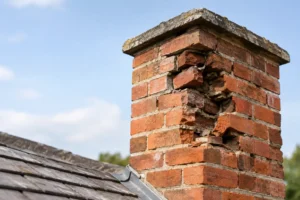
A damp, musty, sour, or mold-like smell commonly points to water entry. Chimneys are exposed to New Jersey rain, snow, freeze-thaw cycles, and summer humidity year after year. When the cap is missing, the crown is cracked, flashing has failed, or masonry joints have deteriorated, water can enter and remain trapped.
Water mixes with soot and creosote deposits to create an unpleasant acidic odor. It can also damage the flue liner, rust metal dampers, weaken mortar, and create conditions for mold growth around the chimney structure.
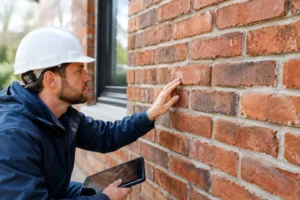
Look for clues such as white staining on exterior brick, crumbling mortar, rust around the damper, water marks near the fireplace, or a smell that becomes stronger after a storm. Waterproofing may be part of the answer, but it only works after cracks, failed joints, crown damage, and flashing issues are properly repaired. Sealing over active damage is not a lasting fix.
4. Animals, Nests, or Organic Debris Are Inside
Birds, squirrels, raccoons, bats, and insects may use an uncapped chimney for shelter. Leaves and twigs can also collect in the flue. A dead animal or wet nesting material can create a powerful odor that no amount of fireplace cleaning will fully solve until the blockage is removed.
Animal activity may come with scratching sounds, chirping, visible debris in the firebox, flies near the fireplace, or reduced fireplace performance. Never light a fire to force an animal or nest out. A blocked flue can send smoke and dangerous combustion gases back into the house, and nesting material can ignite.
A chimney inspection can identify where the material is located and whether it has damaged the liner or obstructed the passage. Installing or repairing a chimney cap with proper screening helps prevent repeat visits from wildlife while still allowing the chimney to vent correctly.
5. The Damper Is Damaged or Left Open
The damper sits above the firebox and helps limit airflow when the fireplace is not being used. If it is left open, warped, rusted, or unable to close fully, odors from the flue can enter the room more easily.
Closing a working damper after the fireplace has completely cooled can reduce drafts and odor. But a closed damper is not a cure for an underlying chimney problem. If it does not move smoothly, will not seal, or has visible corrosion, it needs attention. Rust often means moisture has already been getting into the system.
6. The Chimney Liner Has Deteriorated
A cracked, missing, or improperly sized flue liner can affect draft and allow odors, smoke, heat, and combustion byproducts to move into areas where they do not belong. Older masonry chimneys are particularly likely to have liner concerns, especially if they have seen years of wood burning or have been exposed to water damage.
A liner issue is not something homeowners can reliably diagnose by looking up from the firebox. A camera inspection gives a clear view of the flue interior and can reveal cracks, gaps, broken tiles, or heavy deposits. Depending on the condition, repair options may include a new liner or a specialized resurfacing system designed to restore the flue.
This is one of the most important causes to rule out when chimney odor is paired with smoke entering the room, poor fireplace performance, or visible masonry deterioration.
7. The Smell Is Not Actually From the Chimney
Sometimes the fireplace is simply where an odor becomes noticeable, not where it begins. A musty basement, roof leak, attic moisture, plumbing vent issue, or animal problem in a wall cavity can produce smells that travel through the home. Air movement near the chimney can make the fireplace opening seem like the source.
That is why a thorough inspection matters. It prevents unnecessary work and focuses the repair on the actual problem. A dependable contractor should explain what was found, what needs immediate attention, and what can be planned for later rather than pushing a one-size-fits-all solution.
When a Bad Chimney Smell Needs Urgent Attention
A normal soot odor is unpleasant, but certain signs call for faster action. Stop using the fireplace and schedule an inspection if smoke enters the room, you see black staining around the fireplace, notice water leaks, hear animals in the flue, or find loose brick and mortar around the chimney.
If you smell rotten eggs or sulfur and have gas appliances, leave the home without using switches, flames, or electronics, then contact your gas utility or emergency services from a safe location. Natural gas odors are not a chimney maintenance issue to troubleshoot on your own.
Carbon monoxide has no smell at all. Keep working carbon monoxide alarms on every level of the home and near sleeping areas. If an alarm sounds or anyone feels dizzy, nauseated, confused, or unusually tired after using a fireplace or fuel-burning appliance, get outside and call for emergency help.
How to Prevent Chimney Odors From Returning
Regular maintenance is the most practical way to keep a chimney from becoming an odor source. Have wood-burning fireplaces inspected annually and swept as needed based on use and buildup. Do not wait until the first cold night of the season, when service schedules are often busiest.
Use seasoned firewood, not damp or freshly cut wood. Wet wood creates more smoke and creosote. Keep the firebox clear of old ash and debris, confirm the damper works correctly, and check that the chimney cap is secure after severe weather.
For homeowners dealing with recurring odor, water stains, draft problems, or visible masonry wear, Adore Construction can inspect the full chimney system and recommend repairs that protect the home for the long term. A clean, dry, properly venting chimney should fade into the background – exactly where it belongs.