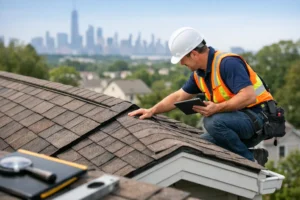
A roof usually does not fail all at once. It gives warnings first – a stain on the ceiling after heavy rain, shingles in the yard, flashing pulling away, or a draft in the attic that was not there before. If you are asking when should roof be replaced, the right answer depends on age, material, storm history, and how widespread the damage really is.
For most homeowners, the real issue is not just cost. It is risk. Waiting too long can turn a manageable roofing project into water damage, mold, insulation problems, damaged decking, and even chimney flashing issues that affect more than one part of the home. Replacing too early is not ideal either. A solid roof with a localized problem may only need a professional repair.
When should roof be replaced instead of repaired?
The simplest rule is this: repair makes sense when the problem is isolated, but replacement makes sense when the roof is old, failing in multiple areas, or no longer protecting the home reliably.
A few missing shingles after a wind event may not mean the whole roof is done. Damaged pipe boots, lifted flashing, or a small leak around a vent can often be fixed without replacing the entire system. But if leaks keep returning, shingles are cracking across large sections, or repairs are stacking up year after year, replacement is usually the smarter long-term move.
Homeowners sometimes focus on the visible patch of damage and miss the bigger picture. A leak in one bedroom may actually be the result of widespread wear on the slope above it. Water also travels. By the time you see a stain indoors, the roof system may have been under stress for a while.
Roof age matters more than most people think
One of the biggest factors in deciding when should roof be replaced is the age of the material. Different roofing systems have different life spans, and local weather can shorten them.
Asphalt shingles often last around 20 to 30 years, but that range depends heavily on product quality, ventilation, installation, and exposure to heat, ice, wind, and storm debris. Flat roofing systems such as EPDM, PVC, or torch-down can also perform well for many years, but ponding water, seam failure, and membrane damage can shorten their useful life. Slate and tile can last much longer, though the underlayment and flashing may fail before the surface material does.
If your roof is approaching the end of its expected service life and showing visible wear, it usually makes more sense to plan a replacement than keep paying for repairs. That is especially true if the roof has already been patched several times.
The warning signs that should not be ignored
Some roofing problems are cosmetic. Others are signs that the system is breaking down. The difference matters.
Curling, buckling, or blistering shingles often mean the material is aging or reacting to heat and moisture issues. Bald spots where granules have worn away leave shingles more exposed to sun and weather. Soft or sagging roof areas can point to trapped moisture or structural deterioration underneath. Repeated leaks, even if small, are another strong signal that the roof may be beyond a simple fix.
Inside the home, water stains on ceilings and walls, peeling paint near the roofline, musty attic smells, and visible daylight through attic boards all deserve prompt attention. These signs do not always mean full replacement is required, but they do mean the roof should be inspected before the damage spreads.
If you see moss or algae, the answer is less straightforward. Surface growth alone does not always mean replacement. But if moisture is being held against aging shingles, the roof can wear out faster. That is where a hands-on inspection matters more than guesswork from the ground.
Storm damage changes the timeline
In New Jersey, roofs take a beating from wind, heavy rain, snow, ice, and seasonal temperature swings. A roof that might have lasted several more years can be pushed into replacement territory after one major storm.
Hail can bruise shingles and knock off protective granules. Strong winds can break the seal that keeps shingles in place, making the roof more vulnerable the next time bad weather hits. Ice dams can force water up under the roofing material. Falling branches can damage both shingles and the deck below.
This is why age is only one part of the answer. A 12-year-old roof with serious storm damage may need replacement sooner than a 20-year-old roof that has been well maintained and has no active leaks.
When a repair is still the right call
Not every roofing issue calls for a full tear-off. If the roof is relatively new, the decking is sound, and the damage is limited to one section, repair can be the most cost-effective option.
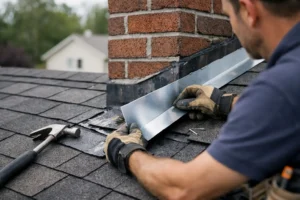
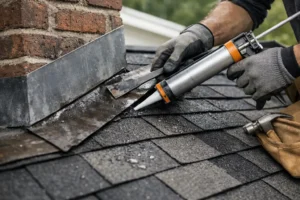
That could include replacing a small number of shingles, resealing flashing, addressing a leak around a chimney, fixing a vent penetration, or repairing a flat roof seam. In many cases, a targeted repair restores protection and buys the homeowner meaningful time.
The key is honesty about the roof’s overall condition. A good contractor should tell you when a repair is enough and when it is just delaying a larger problem. If the repair will not hold up or if matching older materials is difficult, replacement may provide better value even if the upfront cost is higher.
How flashing, chimneys, and roof penetrations affect the decision
A roof is not just shingles or membrane. It is a system made up of valleys, underlayment, flashing, vents, pipe boots, and transitions around chimneys and walls. Sometimes homeowners think the roof is failing when the real problem is in one of those details.
Chimney flashing is a common trouble spot. If flashing rusts, separates, or was installed poorly, water can enter around the chimney even if the main roof surface still has life left. The same goes for skylights, vents, and step flashing where the roof meets siding.
That said, detail failures often show up more on older roofs because the surrounding materials are aging too. If the roof surface, flashing, and underlayment are all wearing out together, replacement is usually the cleaner and more dependable fix.
Cost matters, but value matters more
It is normal to hope a repair will solve the problem for less money. Sometimes it will. But the cheapest short-term option is not always the least expensive decision over time.
If you repair an aging roof every season, pay for interior water damage, and still end up replacing it soon after, the total cost can climb fast. A full replacement can feel like a bigger step, but it often gives homeowners more predictable protection, fewer emergency calls, and better peace of mind.
There is also the issue of insurance, resale, and curb appeal. An obviously worn roof can affect a home sale, and some buyers will push hard on price if they believe replacement is coming soon. Even if you are not selling, a dependable roof protects the rest of the home from much more expensive problems.
So, when should roof be replaced?
Replace the roof when it is near the end of its service life and showing widespread wear, when leaks are recurring, when storm damage is extensive, or when repair costs keep adding up without solving the problem. Replace it sooner if the roof is no longer protecting the structure consistently. Wait and repair only when the issue is isolated and the rest of the roof still has solid years left.
That may sound like an it-depends answer, because it is. Roofing decisions should be based on condition, not guesswork. Two homes with the same roof age can need completely different solutions.
The best next step is a professional inspection that looks at the full system, not just the obvious problem spot. A dependable contractor should explain what is failing, how urgent it is, and whether repair or replacement gives you the better result for your home and budget.
A roof does not need to be perfect to keep doing its job. But once it stops protecting your home with confidence, waiting usually costs more than acting early.