A roof rarely fails all at once. More often, a loose shingle, cracked pipe boot, open flashing seam, or clogged drainage path lets in a small amount of water that goes unnoticed until a ceiling stain appears. A New Jersey roof inspection is the practical way to find those weak points before a manageable repair becomes interior water damage, mold growth, or a larger roofing project.
For homeowners, the goal is not to replace a roof that still has useful life. It is to get a clear, professional look at its condition, address real concerns, and make smart decisions before the next hard rain, wind event, or winter freeze.
Why New Jersey Roofs Need Regular Attention
New Jersey homes face a demanding mix of weather. Summer heat can dry and age roofing materials. Heavy rain tests every flashing detail and drainage path. Wind can lift shingle edges or dislodge ridge caps, while winter freeze-thaw cycles can widen small cracks and stress vulnerable areas around chimneys, vents, and skylights.
Trees add another concern. Overhanging branches can scrape shingles, drop debris into gutters, and create shaded areas where moisture remains longer than it should. Even a roof that looks fine from the driveway may have trouble spots that are only visible up close.
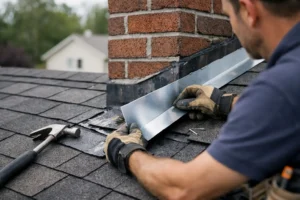
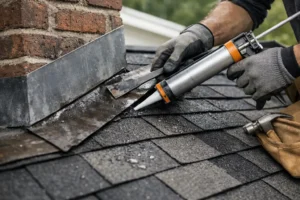
A professional inspection is especially valuable around masonry. Chimneys interrupt the roof surface, which means they require carefully installed flashing, counterflashing, and sealed transitions. If those components fail, water can enter behind the exterior materials and travel before it becomes visible inside. What looks like a roof leak may start at the chimney, and what looks like a chimney issue may involve the roof system around it.
When Should You Schedule a New Jersey Roof Inspection?
Most homeowners benefit from having their roof checked once a year, preferably in spring or fall. A spring inspection can identify damage after winter weather. A fall inspection helps prepare the home for snow, ice, and seasonal storms.
Age, roof type, surrounding trees, and past repair history all matter. An older shingle roof or a roof beneath mature trees may need closer attention than a newer roof with open exposure. Flat and low-slope roofing systems also need regular checks because water may pond or move slowly toward drains and edges.
You should also schedule an inspection after a significant storm, especially if strong winds, hail, falling branches, or heavy rain affected your neighborhood. There may be obvious signs, but not always. Wind damage can loosen materials without fully removing them, leaving the roof more vulnerable during the next storm.
Do not wait for a major drip to call. Schedule service promptly if you notice any of the following:
- Water stains, peeling paint, or damp spots on ceilings or upper walls
- Missing, cracked, curled, or loose shingles
- Granules collecting near downspouts or in gutters
- Flashing that appears lifted, rusted, bent, or separated
- Moss, algae, or debris buildup that holds moisture on the roof
These signs do not automatically mean a full replacement is needed. They do mean the roof deserves a closer look. Catching a small issue early often keeps repair work targeted and more affordable.
What a Professional Roof Inspection Should Cover
A worthwhile roof inspection is more than a quick glance at shingles. The contractor should review the roofing surface, edges, penetrations, drainage, and critical transitions where water is most likely to get in.
Roofing Materials and Surface Wear
The inspection begins with the visible roof covering. On a shingle roof, this includes checking for cracking, curling, blistering, exposed fasteners, missing tabs, granule loss, and signs of improper prior repairs. On EPDM, PVC, silicone, torch-down, slate, or tile roofing, the inspection focuses on the material-specific concerns that affect performance, such as seams, membrane condition, punctures, tiles, and edge details.
The right repair depends on the roof type and the extent of wear. Replacing a few damaged shingles may be appropriate when the surrounding roof is in good condition. If materials are brittle throughout, repairs may only provide a short-term solution. A dependable contractor should explain that difference plainly rather than push a replacement that is not necessary.
Flashing, Chimneys, and Roof Penetrations
Flashing is one of the most important parts of any roof. It directs water away from joints and transitions, including the areas around chimneys, vents, skylights, dormers, and walls. When flashing is damaged or poorly installed, water can bypass the roof covering even if the shingles themselves are still in decent shape.
For homes with chimneys, the inspection should include the flashing where the chimney meets the roof, as well as the condition of the chimney crown, mortar joints, cap, and masonry. Cracked masonry or a failing crown can absorb water and contribute to leaks or deterioration nearby. Coordinating roof and chimney repairs helps prevent one problem from being fixed while another remains behind it.
Gutters, Drainage, and Ventilation
Gutters are not part of the roof covering, but poor drainage can shorten a roof’s life. Clogged gutters and downspouts can cause water to back up along the roof edge, saturate fascia boards, and contribute to ice dams in cold weather. The inspector should look for debris buildup, loose sections, improper slope, and areas where water may be spilling too close to the foundation.
Ventilation also affects roof performance. Inadequate attic ventilation can trap heat and moisture, contributing to premature shingle aging, condensation, and higher cooling costs. An inspection may include a review of intake and exhaust ventilation, insulation conditions, and signs of moisture in the attic. Not every roof problem is visible from outside.
What Happens After the Inspection
A clear inspection should leave you with answers, not pressure. You should understand whether the roof needs immediate repair, routine maintenance, monitoring, or planning for eventual replacement. Photos and a straightforward explanation of the findings can make it easier to see what is happening and prioritize the work.
If repairs are recommended, ask what caused the issue and how the proposed work will prevent it from returning. For example, replacing damaged shingles without addressing an open flashing joint may not solve a leak. Likewise, resealing a minor detail may be sensible on a younger roof but less effective on a roof nearing the end of its service life.
The estimate should separate urgent work from work that can reasonably wait. That gives homeowners control over their budget while still protecting the property. Adore Construction approaches roof and chimney concerns with that practical mindset: inspect the real source of the problem, explain the options, and complete work built to stand up to the elements.
Can You Inspect Your Own Roof?
Homeowners can perform a basic visual check from the ground. Look for missing materials, sagging areas, clogged gutters, damaged trim, or debris after a storm. You can also check the attic for daylight, damp insulation, musty odors, or staining on the underside of the roof deck.
But a ground-level review is not a substitute for a professional inspection. Walking a roof can be dangerous, particularly on steep slopes, wet surfaces, aging shingles, or roofs with hidden soft spots. It can also cause damage when done incorrectly. A trained roofing professional can inspect the roof safely and identify details that are easy to miss from below.
Protect the Roof Before It Becomes an Emergency
The best time to inspect a roof is when there is no active leak and no storm emergency forcing a rushed decision. Regular attention gives you time to compare options, schedule repairs around your needs, and protect the home before water reaches the interior.
If your roof has been through a rough season, is showing signs of age, or has not been checked in more than a year, a professional inspection can provide the clarity you need. A small repair made at the right time can protect the structure, the attic, and the peace of mind that comes with knowing your home is ready for the next storm.