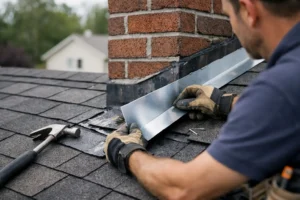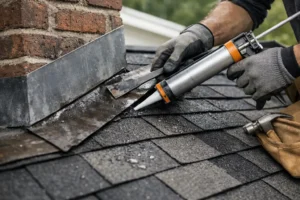
A leak near a chimney, vent pipe, skylight, or roof-to-wall connection does not always mean the entire roof has failed. Often, the weak point is the metal flashing that directs water away from those vulnerable areas. So, can roof flashing be replaced? Yes. In many cases, damaged flashing can be removed and replaced without replacing the full roof.
The right solution depends on what caused the failure, how far water has traveled, and the overall condition of the surrounding roofing materials. A small flashing issue caught early may be a focused repair. Hidden rot, brittle shingles, or widespread roof wear can turn the same repair into a larger job. A proper inspection helps separate a straightforward fix from a temporary patch.
What Roof Flashing Does for Your Home
Flashing is typically made from aluminum, galvanized steel, copper, or another durable metal. It is installed where water is most likely to work beneath the roofing system: around chimneys, plumbing vents, skylights, dormers, valleys, and roof transitions.
Shingles are designed to shed water across broad roof surfaces. Flashing handles the joints and changes in direction that shingles alone cannot protect. Around a chimney, for example, flashing creates a water-resistant connection between the masonry and the roof deck. If that connection opens up, rain can reach the wood below long before a ceiling stain appears inside.
That is why a flashing problem deserves attention. Water intrusion can damage roof decking, insulation, interior ceilings, framing, chimney masonry, and even electrical components if left unresolved.
Can Roof Flashing Be Replaced Without Replacing the Roof?
Yes, roof flashing can often be replaced as a stand-alone repair. A qualified roofer may carefully lift or remove shingles around the damaged area, remove the old flashing, inspect the roof deck and surrounding materials, then install new flashing and properly integrate it with replacement shingles.
This works best when the roof is still in generally good condition. If the shingles near the flashing are flexible, securely fastened, and have plenty of remaining life, a targeted replacement can provide dependable protection without the cost of a full reroof.
There are limits. Older shingles may crack when lifted, especially after years of New Jersey sun, freezing temperatures, wind, and moisture. Matching new shingles to faded existing ones can also be difficult. A contractor should explain those possibilities before work begins, rather than promising an invisible repair where one may not be realistic.
When Flashing Replacement Is Usually the Right Call
Replacement is often a practical option when the flashing is rusted, bent, loose, improperly lapped, or damaged by wind, ice, falling branches, or previous repair work. It is also appropriate when sealant has failed around a vent boot or when chimney flashing is pulling away from mortar joints.
A localized leak does not always mean the issue is limited to one piece of metal. Still, if an inspection confirms that the deck is sound and the roofing system around it is intact, replacing the flashing can stop the leak and protect the home for years.
When a Larger Roof Repair Makes More Sense
If the roof is near the end of its service life, replacing flashing alone may not be the best value. The same is true when water has softened the roof deck, damaged multiple rows of shingles, or exposed problems around more than one penetration.
For example, a chimney flashing repair on a roof with curled, missing, or heavily worn shingles may solve one immediate leak while another develops nearby. In that situation, combining the flashing work with broader roof repairs or replacement can prevent repeated labor costs and ongoing water damage.
Signs Your Flashing May Need Attention
Some flashing failures are visible from the ground, but many are not. Do not climb onto a roof to investigate, particularly after rain, snow, or wind. Look for warning signs from a safe location and arrange an inspection when something seems off.
Common signs include:
- Water stains on ceilings or walls near a chimney, skylight, or exterior wall
- Dripping or dampness in the attic after rain
- Rust streaks, lifted metal edges, or visible gaps around roof penetrations
- Loose, cracked, or missing shingles near a chimney or vent
- Crumbling chimney mortar near step flashing or counterflashing
- A musty attic smell, wet insulation, or peeling paint near the roofline
A leak may show up several feet away from the actual opening. Water can travel along rafters, roof decking, and framing before it reaches the ceiling. That is why applying caulk to the spot where water appears indoors rarely solves the root cause.
Chimney Flashing Requires Extra Care
Chimneys are one of the most common locations for roof leaks because they interrupt the flow of shingles and create several joints that must work together. Proper chimney flashing generally includes base flashing at the roof, step flashing woven into the shingles along the sides, and counterflashing embedded into or secured to the chimney masonry.
The counterflashing is especially important. It covers the upper edge of the base and step flashing so water cannot run behind it. If it is loose, corroded, improperly installed, or sealed only with failing caulk, rain can enter the roof system and masonry.
Chimney flashing work may also reveal cracked mortar, a deteriorating crown, damaged bricks, or a failing chimney cap. Addressing related chimney issues at the same time can help protect the repair and avoid reopening the area later. This is where a contractor experienced with both roofing and masonry can make a meaningful difference.
Repair, Reseal, or Replace: What Is the Difference?
Not every flashing issue requires a full replacement. Minor gaps in otherwise sound flashing may be resealed with appropriate roofing materials. A small section may be repaired if the metal is intact and the problem is limited to a loose fastener or failed seal.
However, sealant is not a substitute for correctly installed flashing. Roof cement and caulk can help with specific details, but they should not be used to cover rusted metal, missing step flashing, open joints, or poor installation. Heavy sealant patches often crack over time, trap water, and make future repairs harder to diagnose.
Replacement is the stronger long-term option when the flashing itself has deteriorated or was installed incorrectly. The goal is not simply to cover a leak. It is to restore the layered water-shedding system that keeps rain moving safely down and off the roof.
Why Professional Installation Matters
Flashing is a detail-driven repair. The metal must be sized, overlapped, fastened, and integrated with shingles or roofing membrane in the proper order. On chimney work, the roofing connection must also accommodate masonry movement and protect the wall from water entry.
An improper repair can make a leak worse by directing water beneath the shingles or into the roof deck. It can also create safety risks if roofing materials are damaged, walkways become slick, or the chimney masonry is disturbed.
A professional inspection should identify the source of the leak, check for concealed damage, explain whether a repair or replacement is appropriate, and provide a clear estimate. For New Jersey homeowners, it is also wise to choose an insured contractor familiar with the weather stresses local roofs face through heavy rain, snow, freeze-thaw cycles, and summer heat.
What to Expect During Flashing Replacement
The work usually begins with protecting the area below and removing only the roofing materials necessary to reach the flashing. The contractor inspects the deck and framing for moisture damage before installing new flashing. Any compromised wood should be addressed before the roof is closed back up.
New flashing is then installed in layers that direct water outward. Replacement shingles or roofing material are fitted around the repair, and the work area is checked for secure connections and proper drainage. The exact process changes based on the roof type, pitch, chimney design, and whether the roof uses shingles, slate, tile, EPDM, PVC, or another system.
If you are seeing stains, dripping, or signs of separation around a chimney or roof penetration, acting early can keep a manageable flashing repair from becoming a major restoration project. A careful inspection and a properly built repair give your home the protection it needs when the next hard rain arrives.