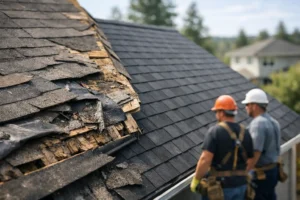
A small ceiling stain rarely stays small for long. What starts as a drip after heavy rain can turn into damaged insulation, rotted decking, mold growth, and repairs that reach far beyond the roof itself. That is why roof replacement is not just about shingles or appearance. It is about protecting the structure of your home before a manageable problem becomes an expensive one.
For many homeowners, the hardest part is knowing when repair is enough and when replacement makes more sense. A missing shingle after a storm may be a straightforward repair. But widespread wear, repeated leaks, sagging areas, or an aging roof near the end of its service life usually point to a larger issue. The right decision depends on the roof’s condition, the type of material, and how much damage has already reached the layers underneath.
When roof replacement makes more sense than repair
There is no single warning sign that applies to every home, but some patterns are hard to ignore. If you are calling for leak repairs every season, paying to patch one section after another, or noticing water stains in different rooms, your roof may be failing as a system rather than in one isolated spot.
Age matters too. Asphalt shingle roofs often last around 20 to 30 years, depending on installation quality, ventilation, weather exposure, and maintenance. Flat roofing systems, slate, tile, and specialty materials all have different life spans, but none last forever. Once a roof gets close to the end of its expected service life, repairs tend to become short-term fixes.
The condition beneath the visible surface matters just as much. If moisture has worked into the decking, flashing, underlayment, or roof penetrations, replacing surface materials alone will not solve the problem. In those cases, roof replacement gives you the chance to correct the full assembly and restore reliable protection.
Storm damage can also change the equation. Wind may lift shingles without tearing them off completely. Hail can bruise roofing materials in ways that are easy to miss from the ground. A roof can look mostly intact and still have enough damage to justify replacement, especially if the impact is spread across multiple slopes.
What happens during a roof replacement
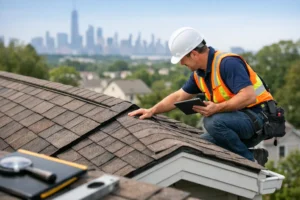
Homeowners often picture a loud, messy tear-off followed by days of uncertainty. The reality is more organized when the job is handled correctly. A professional roof replacement begins with an inspection that looks at the roofing material, flashing, ventilation, decking condition, drainage, and any visible signs of interior water intrusion.
From there, the old roofing system is removed so the structure underneath can be checked. This step matters. Covering old problems with new materials may save time upfront, but it often leads to hidden damage and shorter roof life. Once the roof deck is inspected and any compromised sections are replaced, the new system can be installed with the right underlayment, flashing details, and ventilation components.
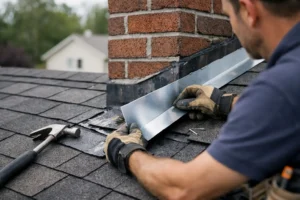
That process is also the best time to address connected trouble spots. Chimney flashing, pipe boots, ridge vents, low-slope transitions, and areas around valleys are common leak points. If those details are ignored, even a new roof can fail earlier than it should.
Choosing the right material for your home
Not every home needs the same roofing system. The best material depends on roof shape, budget, expected lifespan, maintenance needs, and local weather exposure.
Asphalt shingles remain a popular choice because they are cost-effective, durable, and available in a wide range of styles. For many homeowners, they offer the best balance of price and performance. If installed properly and supported by good ventilation, they can provide dependable protection for many years.
Low-slope and flat sections often require different systems, such as EPDM, PVC, torch down, or silicone coatings, depending on the roof design and drainage conditions. These materials are built to handle water differently than shingles, which is why proper product selection is critical. Using the wrong system on the wrong roof is a costly mistake.
Higher-end materials like slate and tile can offer longer service life and strong curb appeal, but they also come with added structural and installation considerations. They are not the right fit for every house or every budget. A good contractor should explain the trade-offs clearly, not push the most expensive option by default.
The real cost of waiting too long
Homeowners sometimes delay roof replacement because the roof is still holding on. That is understandable. No one wants to replace a major part of the home before it feels absolutely necessary. But waiting can create a more expensive project.
Water is rarely contained to the place where it first enters. A leak around flashing can travel into attic spaces, insulation, framing, drywall, and even masonry. If a chimney is involved, damaged flashing or surrounding roofing can lead to moisture problems that affect both systems at once. What could have been a roofing project can expand into interior repairs, structural wood replacement, and mold remediation.
There is also the issue of emergency timing. Replacing a roof on your schedule is always better than scrambling after a major failure during a storm. Planned work gives you time to compare materials, ask questions, and make a decision based on value rather than pressure.
How to tell if an estimate is thorough
Not all estimates cover the same work, even when the price sounds similar. A lower number may leave out critical items that show up later as extras. That is why homeowners should look beyond the bottom line.
A solid estimate should explain whether the job includes tear-off, deck inspection, replacement of damaged wood if needed, underlayment, flashing, ventilation, cleanup, and disposal. It should also identify the roofing material being installed, not just a vague description like new shingles. If your roof includes chimneys, valleys, low-slope sections, or other complex details, those should be addressed directly.
Transparency matters. You should know what is included, what could change the price, and how the contractor handles unexpected damage once the old roof is removed. Clear communication at the estimate stage usually tells you a lot about how the job will be handled from start to finish.
Why workmanship matters as much as material
A quality product cannot make up for poor installation. Even premium roofing materials can fail early if flashing is installed badly, ventilation is ignored, or fasteners are placed incorrectly. On the other hand, a well-installed roofing system often performs better and lasts longer than homeowners expect.
This is especially important around penetrations and edges. Chimneys, skylights, vent pipes, and roof-to-wall transitions all demand careful workmanship. These are the places where leaks often begin, and they are the places where experience shows.
For homeowners in New Jersey, weather adds another layer of concern. Snow, wind, summer heat, and heavy rain all put stress on roofing materials over time. A roof needs to be built for those conditions, not just made to look finished from the street.
Questions worth asking before you move forward
Before approving a roof replacement, ask how the contractor will inspect the deck, what ventilation improvements may be needed, and whether flashing around chimneys and other penetrations will be replaced. Ask who is performing the work, how the property will be protected during the project, and what cleanup looks like when the job is done.
It is also fair to ask whether repair is still an option. A trustworthy contractor will tell you when a targeted repair makes sense and when replacement is the smarter long-term decision. That kind of honesty matters. Homeowners do not need a sales pitch. They need a clear assessment and solid work.
Adore Construction approaches roofing the same way homeowners do – as protection first. The goal is not simply to install a new surface. It is to deliver a roof that stands up to weather, shields the structure underneath, and gives you confidence every time the forecast turns bad.
If your roof is showing its age, leaking repeatedly, or raising questions you cannot answer from the ground, it is better to deal with it early. A careful inspection now can save you from bigger repairs later, and the right replacement can protect your home for years without constant patchwork.