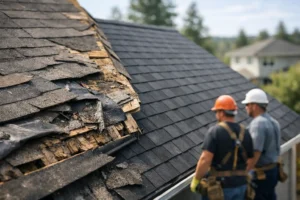
A few loose roof shingles after a hard storm may look like a small problem. Left alone, that small opening can let wind-driven rain reach the underlayment, roof decking, attic insulation, and ceilings below. For New Jersey homeowners, where heavy rain, snow, ice, summer heat, and coastal winds can all take a toll, paying attention early can prevent a much larger repair.
The right solution is not always a full roof replacement. A professional inspection may show that a targeted repair will restore protection for years. In other cases, widespread wear or hidden water damage makes replacement the safer and more cost-effective choice. The condition of the whole roofing system matters more than one damaged shingle.
What Roof Shingles Do for Your Home
Shingles are the visible outer layer of many residential roofs, but they work as part of a system. They shed water, resist sunlight, and help protect the materials underneath from wind and weather. Flashing around chimneys, vents, skylights, and roof valleys directs water away from vulnerable seams. Underlayment provides a secondary barrier if moisture gets beneath the shingles.
When one part fails, water does not always appear directly below the damaged area. It can travel along decking or framing before showing up as a ceiling stain, peeling paint, or damp insulation. That is why a roof leak near a chimney, for example, may involve damaged flashing rather than the chimney itself.
Most homes use asphalt shingles because they offer dependable weather protection at a practical price. Architectural shingles are thicker and more dimensional than traditional three-tab shingles, generally offering better wind resistance and a longer service life. The best choice depends on roof pitch, budget, ventilation, local exposure, and the condition of the existing roof structure.
Signs Your Shingles Need Professional Attention
A roof does not need to be actively leaking before it needs service. Some warning signs are visible from the ground, while others appear in the attic or around the home. If you notice any of the following, it is time to schedule an inspection:
- Missing, cracked, curled, or lifted shingles
- Dark patches, bare spots, or excessive granules in gutters
- A sagging roofline or soft areas in the roof deck
- Water stains on ceilings, attic moisture, or a musty odor
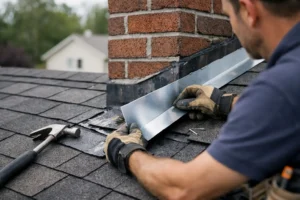
- Damaged flashing around a chimney, vent pipe, or skylight
- Shingle pieces or roofing nails on the ground after a storm
Granule loss deserves particular attention. Asphalt shingles are coated with granules that help shield them from sunlight and weather. A small amount in gutters can be normal, especially on a newer roof. Heavy accumulation, bald shingle areas, or granules appearing alongside curling and cracking usually point to aging materials.
Do not climb onto the roof to check for damage yourself. Walking on worn shingles can cause additional damage and creates a real fall risk. A qualified contractor can inspect the roof surface, attic ventilation, flashing, valleys, and chimney connection points safely.
Repair or Replacement: How to Make the Call
A repair can be the right answer when damage is limited to a defined area and the surrounding roof remains in good condition. Replacing a handful of shingles, correcting flashing, sealing a minor penetration, or repairing a small section of decking can stop a leak without replacing the entire roof.
Age is an important part of the decision. If an asphalt shingle roof is nearing the end of its expected service life and problems are appearing in several areas, repeated repairs can become a short-term expense that keeps adding up. Matching older shingle colors can also be difficult, even when the original product is still available. Sun exposure changes the appearance of shingles over time.
Replacement is often the better option when damage is widespread, the roof has multiple active leaks, shingles are brittle across large areas, or the decking has suffered moisture damage. It may also make sense if an old roof is being repaired after repeated storm events. A full replacement allows the contractor to inspect and address the materials beneath the shingles, install proper underlayment, and update flashing where needed.
There is no honest one-size-fits-all answer. A clear inspection and written estimate should explain what is damaged, what can be repaired, and what work is recommended for long-term protection. Homeowners should not be pushed into replacing a roof that can be responsibly repaired, but they also should not be sold a patch that will fail in the next season.
Choosing Shingles for New Jersey Weather
New Jersey roofs face a demanding mix of conditions. Winter freeze-thaw cycles can stress shingles and flashing. Ice dams may force water beneath the roof covering when attic insulation and ventilation are not doing their job. Summer heat can dry out aging shingles, while thunderstorms bring wind, heavy rain, and flying debris.
Architectural asphalt shingles are a common choice for homes in the area because they balance cost, appearance, and durability. For exposed locations or homes that regularly experience high winds, a higher wind-rated shingle and careful installation details can be worth the investment. Proper nailing, sealed edges, underlayment, and flashing matter just as much as the shingle brand.
Color is more than an appearance decision. Darker shingles can absorb more heat, while lighter colors may help reduce heat gain. However, attic ventilation, insulation, roof orientation, tree cover, and the home’s overall design also affect temperature and energy performance. A roofing professional can help you consider those details without overselling a color choice as a cure-all.
The Details That Protect a Shingle Roof
Many roof failures begin at transitions, not in the middle of a shingle field. Chimneys, valleys, sidewalls, vent pipes, and skylights all require precise flashing work. Caulking alone is not a lasting substitute for properly installed metal flashing and correctly layered roofing materials.
Chimneys require special attention because they combine masonry and roofing in one high-risk area. Cracked mortar, a deteriorated chimney crown, loose flashing, or missing counterflashing can allow water into the home. Addressing the roof and chimney together helps avoid a situation where one repair leaves another entry point behind.
Ventilation also affects shingle life. Trapped attic heat and moisture can contribute to premature aging, mold concerns, and ice dam conditions. A roof inspection should look beyond the top layer to evaluate whether intake and exhaust ventilation are working as intended.
What to Expect From a Roofing Inspection
A thorough inspection should begin with the homeowner’s concerns: when the leak occurs, whether it follows heavy rain or wind, and where stains or drafts have appeared. The contractor should then examine accessible exterior areas, shingles, flashing, gutters, roof penetrations, attic conditions, and visible structural concerns.
Photos and a straightforward explanation help homeowners understand the findings. If repair is recommended, the scope should identify the affected area and materials involved. If replacement is recommended, the estimate should explain the roofing system, removal needs, decking considerations, flashing work, and cleanup expectations.
At Adore Construction, the goal is to give homeowners a practical answer, not create pressure. A roof is a major part of your home’s safety, and the work should be performed by an insured contractor who communicates clearly and stands behind the workmanship.
Do Not Wait for the Next Storm
Roof damage rarely improves with time. Wind can lift an already loose shingle, and a small gap can become a pathway for water during the next downpour. If your roof is showing wear, has lost shingles, or has developed a stain inside the home, arrange an inspection before a manageable repair becomes structural damage.
A well-maintained roof does more than keep the rain out. It protects the framing, insulation, ceilings, and personal comfort that make your house feel like home. Addressing problems while they are still contained is one of the clearest ways to protect that investment.