A roof usually gets your attention when water shows up where it should not. A ceiling stain, a draft in the attic, shingles in the yard after a storm – that is when many homeowners start looking up roof replacement before and after and asking what really changes once the work is done.
The short answer is a lot. The obvious difference is visual. The more important difference is what you cannot see from the driveway. A proper roof replacement can stop active leaks, correct weak decking, improve ventilation, protect flashing points around chimneys and valleys, and give the whole home a tighter, safer exterior envelope. The before-and-after photos matter because they show the transformation. The real value is in how the house performs after the job is complete.
What “before” usually looks like
Before a replacement, most roofs do not fail all at once. They wear out in layers. The shingles may look faded or patchy. Granules collect in gutters. Ridge lines can appear uneven. Flashing around the chimney may be rusted, loose, or pulling away. In some cases, the roof still looks acceptable from the street, but the trouble is already developing underneath.
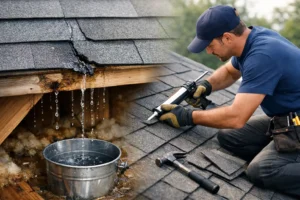
That is where homeowners can get caught off guard. A roof may have one visible leak, but the moisture path is not always directly above the stain inside. Water can travel along decking, rafters, and flashing before it shows up in a bedroom or hallway. By the time the leak becomes obvious, the roof system may already have soft spots, hidden wood damage, mold risk, or compromised underlayment.
Age is another part of the “before” picture. If a roof is nearing the end of its expected service life, repairs become less cost-effective. Replacing a few shingles can help for a while, but it will not reverse brittle materials, ventilation issues, or worn flashing throughout the system. At a certain point, patching one area starts turning into repeated spending without real long-term protection.
Roof replacement before and after: the visible change
The visual side of roof replacement before and after is what gets noticed first. A new roof sharpens the entire appearance of a home. Lines look cleaner. Color is more consistent. Sagging or uneven sections that came from bad decking or previous shortcuts can often be corrected during installation. The house looks better maintained right away.
That curb appeal is not just cosmetic. It affects how a homeowner feels about the property and how others see its condition. If you are staying in the home, the improvement is about pride and peace of mind. If you are planning to sell in the near future, a visibly new roof can reduce buyer concerns and make the home feel less like a project.
Still, not every before-and-after result should be judged by appearance alone. A roof can look new and still be installed poorly. That is why the best after result is both attractive and properly built.
What changes underneath the shingles
This is where a replacement earns its value. Once old roofing materials are removed, the installer can see the actual condition of the roof deck. If there is rotted plywood, soft sheathing, or damage around penetrations, those issues can be addressed before the new roof goes on. That resets the system instead of covering up a problem.
Underlayment also matters more than many homeowners realize. It adds a layer of protection beneath the finished roofing material. Ice and water shield may be used in vulnerable areas, especially where leaks are more likely. When the roof is rebuilt correctly, it is not just a new surface. It is a stronger assembly designed to manage water the right way.
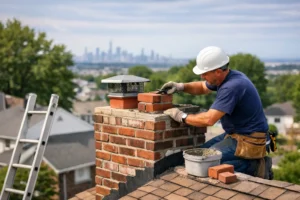
Flashing is another major before-and-after difference. Chimneys, vents, skylights, and wall intersections are common leak points. If flashing is old, improperly sealed, or loosely tied into the roofing system, leaks can return no matter how good the shingles look. Homes with chimney issues often need extra attention here because the transition between masonry and roofing has to be watertight and durable.
The performance difference after replacement
A good replacement should make the home feel more secure during bad weather. That matters in New Jersey, where roofs deal with heavy rain, wind, snow, ice, and seasonal temperature swings. An aging roof may survive a mild season and then suddenly show its weakness during the first major storm.
After replacement, the biggest improvement is reliability. You are no longer wondering whether the next wind event will lift shingles or whether melting snow will find a way inside. Ventilation may also improve, depending on the condition of the old system. That can help reduce heat buildup in the attic and limit moisture problems that shorten roof life.
Energy savings are sometimes part of the after picture, but homeowners should keep expectations realistic. A new roof alone is not a magic fix for high utility bills. If insulation and ventilation were part of the problem, and those issues are addressed during the project, then comfort and efficiency may improve. It depends on the condition of the house as a whole.
When repair makes sense and when replacement is the better move
Not every damaged roof needs full replacement. If the problem is isolated, the roof is relatively young, and the surrounding materials are in solid condition, a repair can be the smart move. That is especially true after minor storm damage or a small flashing failure.
Replacement becomes the better option when the problems are widespread, the roof is aging out, or repairs keep stacking up. Multiple leak areas, recurring shingle loss, visible sagging, and signs of water intrusion near the chimney or attic are all red flags. In those cases, spending money on another patch may only delay a larger and more expensive problem.
A trustworthy contractor should be clear about that distinction. Homeowners do not need pressure. They need an honest assessment of what is failing, what can be repaired, and what will actually protect the home long term.
Roof replacement before and after by material type
The after result can vary depending on the roofing material selected. Architectural shingles are a common choice because they offer a strong balance of appearance, durability, and affordability. They work well for many residential properties and give a noticeable upgrade over older three-tab shingles.
Flat or low-slope sections may need systems like EPDM, PVC, torch, or silicone coatings, depending on the roof design and existing conditions. Homes with slate or tile require a different level of planning because those materials carry their own structural and installation considerations. The best option depends on roof slope, home style, budget, and how long you plan to stay in the property.
That is one reason before-and-after comparisons should be specific to the home. The right replacement for one property may not be the right one for another.
What homeowners should expect during the process
Before replacement, expect an inspection that looks beyond the top layer. A real evaluation should consider shingles, decking condition, flashing, ventilation, drainage paths, and problem areas around chimneys and penetrations. The estimate should explain what is included so there are fewer surprises once the tear-off begins.
During the work, there will be noise, debris control, material staging, and a clear sequence from removal to installation to cleanup. A professional crew should protect the property, communicate about any hidden damage that appears once the roof is opened, and document changes to the scope when needed.
After the job, the homeowner should be able to see more than a fresh roofline. There should be confidence that the vulnerable details were handled correctly. That includes flashing work, edge details, ventilation components, and cleanup around the home.
For homeowners who want dependable results without a lot of runaround, that accountability matters just as much as the finished appearance. It is one reason companies like Adore Construction focus on clear estimates, responsive service, and workmanship that protects the home for the long haul.
The real value of the after photo
The best after photo is not just a prettier roof. It is a home that is better protected from leaks, rot, weather damage, and the stress that comes with wondering what the next storm will expose. That is the real difference between before and after.
If your current roof is showing its age, the smartest next step is not guessing from the ground. It is getting a professional inspection that tells you whether you need a targeted repair or a full replacement. A good roof should do more than look new. It should let you stop thinking about it every time it rains.