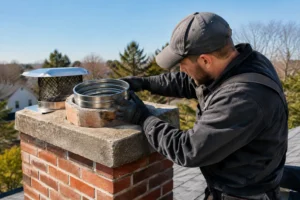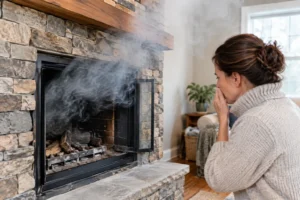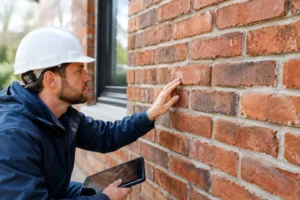
A fireplace that looks fine from the living room can still have a serious problem hidden inside the chimney. If you are asking, can a cracked flue be repaired, the short answer is yes – sometimes. But the right fix depends on how bad the damage is, what type of flue you have, and whether the crack has already created a fire or carbon monoxide risk.
This is not the kind of issue to ignore for another season. A damaged flue can let heat, sparks, smoke, and gases move where they should never go, including into framing, insulation, and living spaces. In many homes, the real danger is not what you can see. It is what is happening behind the chimney walls every time the fireplace or appliance runs.
Can a cracked flue be repaired, or does it need replacement?
It depends on the size, location, and cause of the crack.
Minor surface damage in a liner may be repairable with a listed restoration system. More serious cracking, missing flue tile sections, shifted liners, or widespread deterioration usually calls for relining or full replacement. If the chimney has water damage, structural movement, or years of neglected maintenance, simply patching one visible crack may not solve the real problem.
That is why a proper inspection matters. A flue is part of a working vent system, not just a piece of masonry. The repair has to restore safe performance, not just make the chimney look better.
Why a cracked flue is a safety issue
The flue’s job is simple. It carries smoke, heat, and combustion gases out of the home while protecting nearby building materials from excessive heat. When that liner is cracked, gaps can allow dangerous byproducts to escape before they reach the top of the chimney.
That can lead to several problems at once. Heat transfer to wood framing increases fire risk. Smoke can seep into upper floors or attic areas. Carbon monoxide can leak into the home. Creosote can collect in damaged sections and ignite more easily. Even if you have only noticed a smoky smell or weak draft, the condition inside the flue may be much worse than it appears.
For homeowners, that is the main point. A cracked flue is not a cosmetic defect. It is a functional failure in a part of the house designed to contain high heat and harmful gases.
What causes flue cracks in the first place?
In New Jersey, freeze-thaw weather is a common factor. Moisture gets into masonry, small defects widen over time, and the chimney interior starts to break down. Water is one of the biggest reasons a chimney that looked serviceable a few years ago suddenly needs major work.
Age is another cause. Clay flue tiles can last a long time, but they do not last forever. Repeated heating and cooling cycles put stress on the liner, mortar joints weaken, and tiles can crack or separate. Chimney fires are another major trigger. Even a short-lived fire can damage the liner enough to make the system unsafe afterward.
Sometimes the cause is mismatch. A flue that was never properly sized for a wood stove, furnace, boiler, or fireplace may run too hot, draft poorly, or collect excessive creosote and condensation. In those cases, the crack is part of a larger venting problem.
Signs your flue may be cracked
Some homeowners learn about flue damage during a routine inspection. Others first notice symptoms. Smoke entering the room, strong odors from the fireplace, bits of tile or flue material in the firebox, damp staining on chimney walls, and poor drafting can all point to liner trouble.
Still, many cracked flues do not give obvious warning signs. That is why camera inspections are so valuable. They allow a technician to see interior damage that cannot be confirmed from the fireplace opening or roofline alone.
If you have had a chimney fire, recent water intrusion, or an older chimney that has not been inspected in years, it is smart to assume the flue needs a close look before the next use.
Repair options for a cracked flue
When people ask whether a cracked flue can be repaired, they are usually hoping for a straightforward patch. Sometimes that is possible, but often the correct repair is actually a restoration or relining method that addresses the full vent path.
Heat-resistant resurfacing systems
If the flue has minor cracks or worn joints but is still structurally sound, a resurfacing system may be used to restore the interior. These systems coat or rebuild the inside of the flue with a material designed to withstand high temperatures and improve containment.
This option can work well when the damage is limited and the chimney structure is otherwise in good shape. It is less suitable when tiles are badly broken, missing, or displaced.
Cast-in-place or poured lining systems
For some masonry chimneys, a cast-in-place lining system can repair and reinforce the flue at the same time. This method creates a new venting surface inside the chimney and can also add structural support.
It is often a good fit for older chimneys with widespread interior deterioration. The trade-off is cost and scope. It is more involved than a small repair, but it may save a chimney that would otherwise continue to fail.
Stainless steel liner replacement
If the existing flue tile system is too damaged to restore safely, installing a new stainless steel liner is often the better path. This is especially common when venting gas appliances, wood inserts, or stoves, or when the original flue is the wrong size.
A new liner is not a spot repair, but it can be the most reliable long-term solution. It gives the chimney a correctly sized, code-compliant vent path and removes the uncertainty of trying to preserve a failing liner.
When repair is not enough
There are times when a cracked flue should not be repaired with a limited fix. If the chimney has major structural movement, severe water damage, repeated liner failure, or evidence of a previous chimney fire, replacement work may be the safer and more cost-effective choice.
The same is true if the visible crack is only one part of a larger problem. A damaged crown, missing cap, failing flashing, and internal flue cracking often show up together. If you only address the liner and leave the water entry points alone, the problem comes back.
That is where homeowners can lose money. A cheap repair that does not fix the cause of the damage is rarely a bargain.
Why DIY flue repair is a bad bet
Chimney products sold as quick fixes can make the issue look simpler than it is. But a flue is a safety system, and the wrong material or method can leave hidden gaps, trap moisture, or fail under heat.
Even if a patch appears solid at first, it may not hold up through a heating season. More importantly, you cannot confirm safe performance by eye. A repair needs to be matched to the fuel type, appliance, flue size, and condition of the full chimney.
For that reason, flue repairs should be handled by a qualified chimney professional with the tools to inspect the entire venting path.
What the inspection process should tell you
A good inspection should answer more than whether a crack exists. It should identify how extensive the damage is, what caused it, whether the chimney is safe to use right now, and which repair options actually make sense for the home.
That means looking at the liner, the masonry, the crown, the cap, the flashing, and signs of moisture intrusion. If the chimney serves a heating appliance, the venting setup should also be reviewed for proper sizing and performance.
A clear estimate should separate urgent safety repairs from recommended preventive work. Homeowners deserve that level of honesty. You should know whether you are looking at a manageable liner repair or a broader chimney restoration project.
The cost question homeowners always ask
Repair costs vary because the condition of chimneys varies. A minor restoration is obviously less expensive than a full relining system or rebuild. But the better question is not just what the repair costs today. It is what happens if the wrong repair is chosen.
Delaying a needed fix can lead to more masonry damage, more water intrusion, and a greater chance of fire or indoor air hazards. On the other hand, jumping straight to replacement when a sound restoration would do the job is not always necessary either. A dependable contractor should explain both the risk and the value, not push a one-size-fits-all answer.
If your chimney has been showing signs of trouble, the safest next step is a professional inspection and a repair plan based on what the flue actually needs. A solid chimney should give you peace of mind every time you use it, and that starts with fixing the part you cannot afford to guess about.